Salvia Facts For Kids
Salvia is the largest genus of plants in the sage family Lamiaceae, with nearly 1,000 species that include colorful flowering shrubs and herbaceous perennials.
Select reading age
Salvia Facts For Kids
Videos & Quizzesincluded
About this topic
Salvia, commonly known as sage, is a fantastic group of plants! 🌱It includes almost 1,000 different species. These plants can be found all around the world! Salvia is famous for its aromatic leaves and beautiful flowers. Many people love its fresh, herbal smell. Some types of salvia are used in cooking, while others are grown for their lovely colors in gardens. Did you know that some people think salvia can help improve memory? 🧠This makes it quite special! Let’s dive deeper into the incredible world of salvia and learn more about these amazing plants!
Explore with ChatDinoKey Points
There are many interesting types of salvia!
Many salvia species are threatened due to habitat loss and climate change.
While many salvia species are safe to use, some should be approached with caution!
Sage has a long history in the cultures around the world!
Salvia plants are unique in their appearance!
Salvia belongs to the mint family, known as Lamiaceae.
Salvia plants love sunny places!
Salvia is a wonderful addition to gardens!
Salvia is an exciting ingredient in food!
Salvia has been used in traditional medicine for thousands of years.
Photos of Salvia

Salvia tingitana flower in Behbahan

Male digger bee probing a male-stage flower of Salvia hierosolymitana. The stamens deposit pollen on the bee's back.

Patch of Dominican sage (Salvia dominica) growing in Israel

Salvia farinacea × Salvia longispicata Mystic Spires Blue 'Balsalmisp'

Woodland sage (Salvia nemorosa) in Austria

Salvia × sylvestris 'Mainacht'
😃 Popular Species
There are many interesting types of salvia! 😃Salvia officinalis, or common sage, is often used in cooking. Another popular species is Salvia elegans, known as pineapple sage for its fruity scent! 🍍Salvia apiana, also called white sage, is used in spiritual ceremonies. These popular species show different characteristics, such as flower color and scent, making them unique! Each type of salvia has its own special place in ecosystems and cultures. Learning about them helps us appreciate the rich diversity of the plant kingdom!
Go deeper🏞️ Conservation Status
Many salvia species are threatened due to habitat loss and climate change. 🏞️ Some types are becoming rare, which is concerning because of their importance in nature. To help, conservationists advocate for protecting their natural habitats and planting native salvia in gardens. 🌍The International Union for Conservation of Nature (IUCN) monitors the conservation statuses of different species. Some salvia plants are considered “vulnerable” or “endangered.” By learning about these plants, we can help raise awareness and protect them for future generations!
Go deeper🚫 Toxicity And Safety
While many salvia species are safe to use, some should be approached with caution! 🚫For example, Salvia divinorum is known for its psychoactive properties and is not safe for children. Adults need to be very careful when using these salvia species. Always wash sage thoroughly before eating it, since it can have small bugs on its leaves. Moreover, consult a doctor before using salvia for medicinal purposes, as it can interact with other medications. It’s essential to respect nature's gifts while also being safe and responsible! 🛡️
Go deeper✨ Cultural Significance
Sage has a long history in the cultures around the world! ✨Native American tribes have used salvia in spiritual ceremonies for centuries; burning the dried leaves can help purify spaces and honor their ancestors. In Europe, sage was considered a symbol of wisdom and health. 🌱In cooking, it may be used to flavor traditional dishes, bringing people together around the table. The saying “sage is for health” demonstrates how important this plant is in many ways. Learning about salvia helps us understand how plants connect people to their cultures!
Go deeper🌾 Morphology And Anatomy
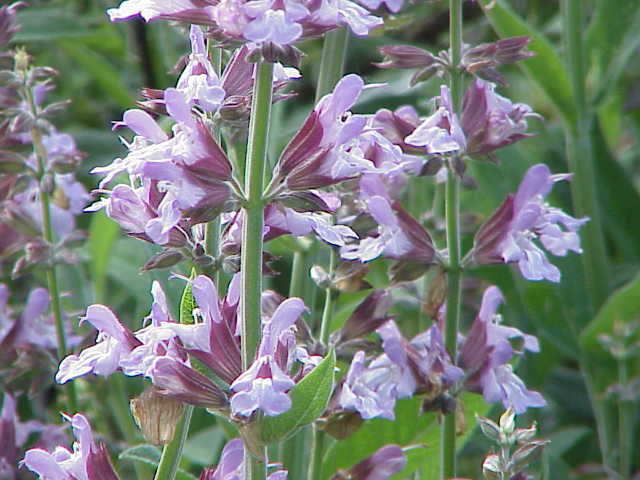
Salvia plants are unique in their appearance! They usually have square stems 🌾, which means the stems have four sides. Their leaves are often green, although some species have purple or variegated leaves! The flowers of salvia can be blue, purple, pink, or white and grow in clusters. 🥳These flowers attract bees, butterflies, and hummingbirds, which helps in pollination! Each flower has a tubular shape that makes it easy for pollinators to sip nectar. Learning about the structures of salvia shows us how plants evolve to adapt to their surroundings!
Go deeper🌿 Botanical Classification
Salvia belongs to the mint family, known as Lamiaceae. 🌿This family includes many other plants, like mint and basil. The scientific name for sage is Salvia officinalis, the most common type of salvia used in cooking. Salvia is divided into many species, which are grouped based on their shape and size. Some types are short and bushy, while others can grow really tall! The taxonomist Carolus Linnaeus first described many plant classifications in the 1700s, and today, scientists keep exploring new species of salvia! 🌏
Go deeper☀️ Habitat And Distribution
Salvia plants love sunny places! ☀️ They can be found in various environments, like meadows, gardens, and forests. Many species thrive in warm and dry regions, especially in countries like Mexico, America, and Mediterranean areas in Europe. 🌍With so many different types, salvia can survive in several climates! The Salvia divinorum, for instance, is native to the cloud forests of Mexico. Learning where salvia grows allows us to understand its importance in nature and how it interacts with other plants and animals.
Go deeper🌸 Gardening And Horticulture
Salvia is a wonderful addition to gardens! 🌸These plants are easy to grow and care for, making them perfect for new gardeners. They like full sun and well-drained soil. 🌞You can plant sage seeds in spring or buy young plants from a nursery. Regular watering helps salvia thrive. They attract bees and butterflies, which create a buzzing garden atmosphere! 🌼Plus, having fresh sage means tasty meals! Many gardeners fall in love with the beauty and variety of salvia, making it a popular choice for colorful gardens! 🌿
Go deeper🥘 Salvia In Culinary Practices
Salvia is an exciting ingredient in food! 🥘Chefs love using sage to add flavor to dishes like pasta, chicken, and soups. The fresh leaves can be used in cooking, or you might find dried sage in spice cabinets. It’s often paired with other ingredients like butter and garlic. 😋In Italian and Mediterranean cuisines, sage is extremely popular! Did you know that just a little sage can transform a meal? Cooking with salvia allows us to taste the earthiness of herbs while enjoying delicious meals!
Go deeper🌿 Uses In Traditional Medicine
Salvia has been used in traditional medicine for thousands of years. 🌿People believed that sage could help treat sore throats, improve digestion, and reduce fever. Some cultures even used it to calm nerves and promote relaxation! 💤Today, scientists are studying the essential oils in sage to discover more about its healing properties. Researchers have found that salvia contains antioxidants, which help protect our cells. By learning about its medicinal uses, we see how nature can contribute to our health in many incredible ways!
Go deeper