Saker Falcon Facts For Kids
The saker falcon is a large bird of prey highly valued for its hunting capabilities and striking appearance, found primarily in open landscapes across Eurasia.
Select reading age
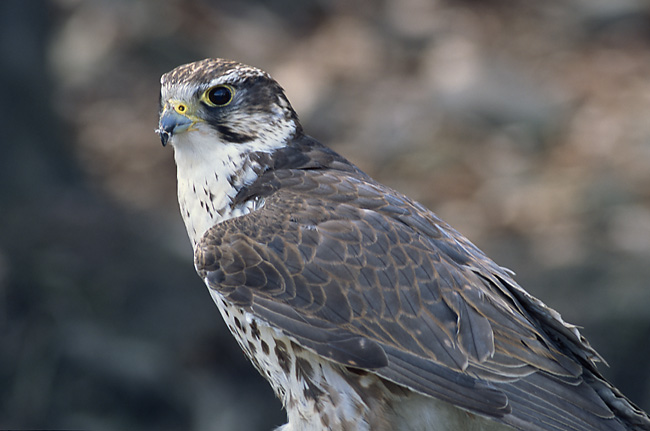
Saker Falcon Facts For Kids
Videos & Quizzesincluded
About this topic
The Saker Falcon 🦅 is a magnificent bird of prey found mainly in Central Asia and Eastern Europe. It is known for its powerful build, with females being larger than males. They have a wingspan of about 40 to 48 inches (1 meter to 1.2 meters) and weigh between 1.5 to 3.5 pounds (0.7 to 1.6 kg). The Saker Falcon has a unique brown and sandy-colored plumage, which helps it blend into its surroundings. These incredible birds are skilled hunters, and they can reach speeds of up to 99 mph (160 km/h) when diving! They are truly fascinating creatures! 🌍
Explore with ChatDinoKey Points
Did you know that the Saker Falcon can see in color?
The Saker Falcon is classified as "Near Threatened" by the International Union for Conservation of Nature (IUCN).
Scientists study Saker Falcons to understand their behavior, migration patterns, and ecology.
Saker Falcons have a rich history and hold cultural significance in many societies.
Saker Falcons live in various habitats, including grasslands, open plains, and rocky areas.
The Saker Falcon has a sturdy body, which is perfect for hunting!
Saker Falcons are skilled hunters and primarily feed on small to medium-sized mammals, such as rabbits and ground squirrels.
Saker Falcons typically mate during spring, and the female lays around 3 to 5 eggs in a nest built on cliffs or in tree hollows.
Photos of Saker Falcon

Saker Falcon — photo 1
Saker Falcon — photo 2

Saker Falcon — photo 3

Saker Falcon at Chew Valley Lake.

Saker Falcon — photo 5

Saker Falcon — photo 6

Saker Falcon — photo 7

Saker Falcon — photo 8

A saker falcon (Turul) monument at Tatabánya, Hungary.
🎨 Interesting Facts
Did you know that the Saker Falcon can see in color? 🎨This incredible ability helps them spot their prey better! They can also be trained to recognize their trainers, making them friendly partners in falconry. Another fun fact is that these birds can fly at high altitudes, reaching over 10,000 feet! 🌄Saker Falcons are often used in competitions, showcasing their speed and agility. Their strong and impressive presence makes them one of the most fascinating birds of prey in the world! 🦅💨
Go deeper🌍 Conservation Status
The Saker Falcon is classified as "Near Threatened" by the International Union for Conservation of Nature (IUCN). 🌍This means that they are at risk of becoming endangered if their situation doesn’t improve. Their populations are declining mainly due to habitat loss, hunting, and capture for falconry. Organizations are working hard to protect Saker Falcons by creating safe habitats and raising awareness about their importance in nature. Conservation is essential for ensuring that future generations can enjoy these stunning birds! 💚
Go deeper📚 Research And Studies
Scientists study Saker Falcons to understand their behavior, migration patterns, and ecology. 📚Researchers also monitor their population numbers to ensure their survival. Tracking devices help scientists learn where they travel during migration and how they hunt for food. Ongoing studies play a crucial role in helping us understand these incredible birds and the challenges they face in the wild. By collecting data, researchers can develop better conservation strategies to protect Saker Falcons and their habitats! 🔬🌼
Go deeper🌍 Cultural Significance
Saker Falcons have a rich history and hold cultural significance in many societies. 🌍In countries like Kazakhstan and Mongolia, they are an important part of falconry, where skilled trainers use them for hunting. The Saker Falcon symbolizes strength, freedom, and nobility in various cultures. Additionally, these birds are celebrated in literature and folklore, often depicted as symbols of power and agility. Their majestic presence and elegant flight have made them beloved by people all around the world! 📜❤️
Go deeper🌾 Habitat And Distribution
Saker Falcons live in various habitats, including grasslands, open plains, and rocky areas. 🌾They prefer wide-open spaces where they can soar high in the sky and spot their favorite meals. These birds are primarily found in countries such as Mongolia, Kazakhstan, Hungary, and Russia. In winter, some Saker Falcons migrate to warmer regions, including parts of the Middle East and North Africa. This flexibility allows them to adapt to different environments while searching for food. 🌍❄️
Go deeper🦶 Physical Characteristics
The Saker Falcon has a sturdy body, which is perfect for hunting! Its beak is sharp and curved, designed to tear into its prey. They have powerful talons to catch and hold onto their food. 🦶Their feathers feature dark brown and light tan colors, with a distinctive pattern that looks like a feathered coat. The male Saker has a lighter coloration than the female, making them easier to tell apart. Saker Falcons also have excellent eyesight, which helps them spot their prey from great distances. 🦉
Go deeper🐇 Diet And Hunting Behavior
Saker Falcons are skilled hunters and primarily feed on small to medium-sized mammals, such as rabbits and ground squirrels. 🐇They are also known to catch birds, including pigeons and partridges. Sakers use their incredible speed and agility to surprise their prey. They can dive from great heights, allowing them to capture their food swiftly! Once they catch their meal, they use their strong talons and sharp beak to tear it apart. During hunting, Saker Falcons can fly at incredible speeds and cover large distances in search of food! 🦅
Go deeper🥚 Reproduction And Lifespan
Saker Falcons typically mate during spring, and the female lays around 3 to 5 eggs in a nest built on cliffs or in tree hollows. 🥚The eggs take about 28 to 32 days to hatch. After hatching, both parents care for the chicks, bringing food and keeping them warm. The young falcons are ready to fly and hunt on their own at about 6 to 8 weeks old! 🕊️ Saker Falcons can live up to 10 to 15 years in the wild, but some have been known to live even longer in captivity.
Go deeper