Saint Lucia Facts For Kids
Saint Lucia is a beautiful Caribbean island known for its stunning landscapes, rich culture, and vibrant history.
Select reading age
Saint Lucia Facts For Kids
Videos & Quizzesincluded
About this topic
Saint Lucia is a beautiful island country in the Caribbean Sea. 🌊It is famous for its stunning beaches, lush rainforests, and the famous Pitons, which are two tall mountains that look like giant peaks. 🌄Saint Lucia's capital city is Castries, where many people live, and it’s known for its colorful buildings and friendly markets. The official language is English, and the currency is the Eastern Caribbean Dollar (XCD). Saint Lucia has a tropical climate, which means it’s warm and sunny most of the year! ☀️ The country is home to around 180,000 people.
Explore with ChatDinoQuick Facts
Key Points
Saint Lucian cuisine is delicious and full of flavors!
The economy of Saint Lucia relies mainly on tourism and agriculture.
Saint Lucia has a rich history!
Tourism is super important for Saint Lucia!
In Saint Lucia, education is important for children and lasts for 11 years!
Saint Lucia is home to many fascinating plants and animals!
Saint Lucia celebrates many exciting festivals and events throughout the year!
Saint Lucia is located between the Caribbean Sea and the Atlantic Ocean.
Saint Lucia boasts a vibrant culture influenced by its history and diversity!
Photos of Saint Lucia

Saint Lucia — photo 1

Flag of Saint Lucia 1939–1967

A map of Saint Lucia

Geological map of Saint Lucia.

Topography of the Soufriere Volcanic Complex

Saint Lucia — photo 6

Saint Lucia — photo 7

Saint Lucia — photo 8

The 10 Districts of Saint Lucia

Saint Lucia electricity production by source
🥘 Cuisine
Saint Lucian cuisine is delicious and full of flavors! 🥘It often includes fresh seafood, tropical fruits, and local vegetables. A traditional dish is “Green Fig and Saltfish,” which combines boiled green bananas with salted fish and is enjoyed by many families. Banana bread is a favorite snack, too! 🍌You might also find dishes flavored with spices like nutmeg and cinnamon. Locals love to drink coconut water, fresh fruit juices, and a local beer called “Pitons.” 🍍 Food is a big part of celebrations!
Go deeper🌾 Economy
The economy of Saint Lucia relies mainly on tourism and agriculture. 🌾Approximately 65% of the economy comes from visitors who come to enjoy the beaches, mountains, and festivals. Many tourists visit to explore the rich history and beautiful scenery. Agriculture also plays a significant role. Bananas were the main crop for years, but now farmers grow a variety of fruits and vegetables. 🥭The government promotes eco-friendly tourism to protect the environment while boosting the economy!
Go deeper🏴☠️ History
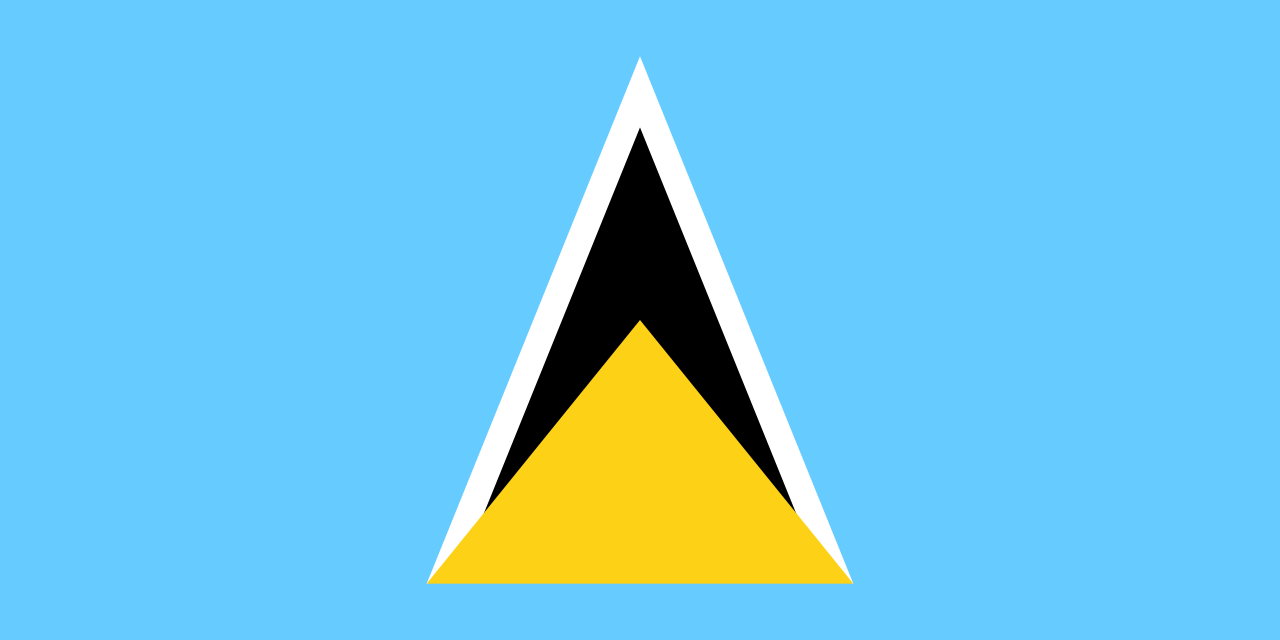
Saint Lucia has a rich history! 🏴☠️ The island was first inhabited by the Arawak and Carib people, who lived there long before Europeans arrived. In 1498, Christopher Columbus saw the island from afar but didn't land. 🌅The French and British fought over Saint Lucia for many years, leading to it changing hands 14 times! It finally became a British colony in 1814. Saint Lucia gained independence on February 22, 1979. 🇱🇨 Since then, it has focused on its culture, tourism, and preserving its natural beauty.
Go deeper🌞 Tourism
Tourism is super important for Saint Lucia! 🌞Each year, thousands of people visit to enjoy the stunning natural beauty. Popular activities include hiking the Pitons, relaxing on beautiful beaches like Reduit Beach, and exploring the Sulphur Springs, where people can take a mud bath! 🛁Saint Lucia is also known for its lovely resorts and hotels. Exciting festivals, like the Saint Lucia Carnival held every July, attract many tourists who want to experience the vibrant culture, parades, and music! 🎉
Go deeper📚 Education
In Saint Lucia, education is important for children and lasts for 11 years! 📚Kids start school at around age 5. They learn English and many other subjects such as math, science, and art. 🖌️ Schools are often colorful and have fun activities like sports and music. The Department of Education works hard to make schools better and help students reach their potential. There are both public and private schools, and many families value a good education for their children!
Go deeper🌳 Flora And Fauna
Saint Lucia is home to many fascinating plants and animals! 🌳The island has lush rainforests where you can find tropical flowers like the Heliconia and several types of orchids. There are also many birds, like the Saint Lucia Parrot, which is colorful and only found here! 🦜Other wildlife includes iguanas, crabs, and a variety of fish in the coral reefs. The islands’ protected areas, such as the Rain Forest Adventure Park, help keep these plants and animals safe and healthy! 🌺
Go deeper🎆 Festivals And Events
Saint Lucia celebrates many exciting festivals and events throughout the year! 🎆One of the biggest is the Saint Lucia Carnival in July, filled with parades, music, and dancing! In December, the Festival of Lights celebrates Christmas and features lovely decorations. There are also music festivals, like the Saint Lucia Jazz Festival, where great musicians perform. 🎷The island has a unique event called Creole Day, where everyone sings, dances, and enjoys traditional Creole food! Each festival is a time for families and friends to come together and enjoy!
Go deeper🌴 Geography And Climate
Saint Lucia is located between the Caribbean Sea and the Atlantic Ocean. 🌴It's part of the Lesser Antilles, which is a group of islands in the Caribbean. The island is about 27 miles long and 14 miles wide. The climate is tropical, with lots of sunshine and warm temperatures around 80°F (27°C) all year! 🌦️ There are also rainy seasons, especially from June to November, so umbrellas are handy! 🏖️ The Pitons, named Gros Piton and Petit Piton, rise sharply from the ocean and are UNESCO World Heritage Sites.
Go deeper🎶 Culture And Traditions
Saint Lucia boasts a vibrant culture influenced by its history and diversity! 🎶The people of Saint Lucia celebrate their African, French, and British heritage through music, dances, and festivals. A popular music style is called "Dennery Segment," a type of Soca music that makes everyone want to dance! 🕺Additionally, Yo! You’ll find traditional colorful crafts such as pottery and weaving, which are often made by local artists. The people often wear bright clothing, especially during celebrations or gatherings!
Go deeper