Saiga Facts For Kids
The saiga antelope is a unique species found in the Eurasian steppe, known for its distinctive nose and ability to thrive in extreme weather conditions.
Select reading age
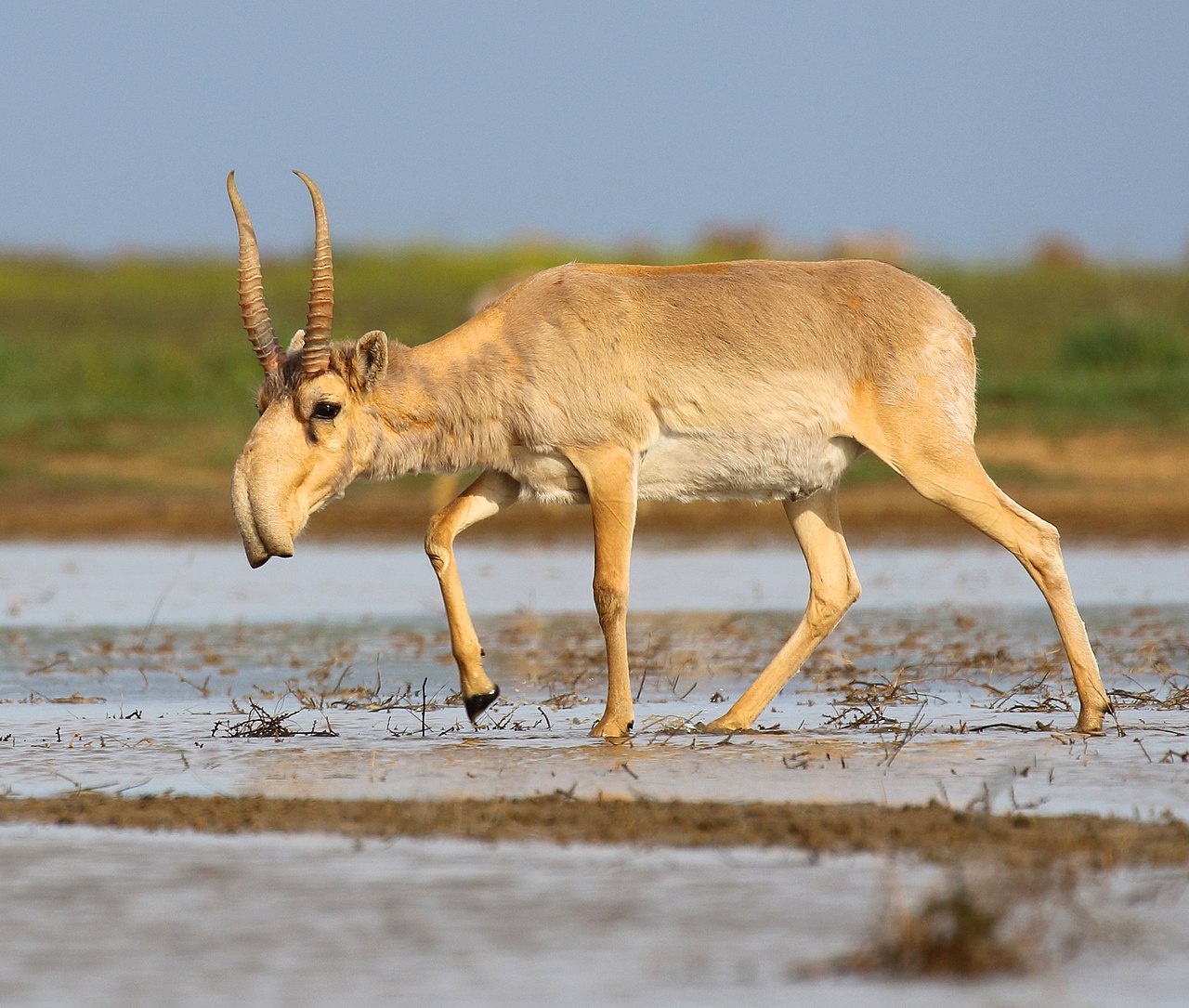
Saiga Facts For Kids
Videos & Quizzesincluded
About this topic
The saiga antelope is a unique animal with a big nose! 🦙It lives in the grasslands and steppes of Central Asia, especially in places like Kazakhstan and Mongolia. The saiga's nose helps filter dust and cools the air they breathe. Did you know that they can run really fast? They can reach speeds of up to 50 miles per hour! ⚡️ Saigas are social animals and like to live in groups called herds. These herds can have hundreds of saigas joining together, especially during migration. Let’s learn more about this fascinating creature and how it survives in its environment! 🌍
Explore with ChatDinoKey Points
Saiga antelopes play an important role in their ecosystem!
The saiga antelope is considered an endangered species.
Saiga antelopes face several threats that make it hard for them to survive.
In Central Asia, saiga antelopes have cultural importance for local communities.
Saiga antelopes mainly live in the steppes, which are large, grassy plains in Central Asia.
Saiga antelopes have an interesting appearance!
Saigas are herbivores, which means they only eat plants.
Saiga antelopes have many cool adaptations that help them thrive in their grassy homes.
Saiga antelopes usually mate in late winter, around December and January.
Photos of Saiga

«Асканія-Нова» ім. Ф. Е. Фальц-Фейна , :uk:Чаплинський район , смт Асканія-Нова , вул. Фрунзе,13

Saiga — photo 2

Saiga antelope skull and taxidermy mount on display at the Museum of Osteology

Male saiga in Kalmykia

Herd of saiga antelope gathered at the water's edge in western Kazakhstan

Fawn hidden in the grasses

Stuffed saiga herd at The Museum of Zoology, St. Petersburg

Examples of saiga horn products seized by the Hong Kong government
🌍 Ecological Role
Saiga antelopes play an important role in their ecosystem! 🌍As herbivores, they help control the growth of grasses and plants, allowing various wildlife to thrive. Their grazing behavior maintains the health of the grasslands, ensuring they don’t become overgrown. 🤝Saigas are also a food source for predators in their habitat, such as wolves and eagles. By being part of the food chain, saigas contribute to maintaining balance in their environment. Protecting the saiga helps protect the entire ecosystem they support! 🌱
Go deeper🚨 Conservation Status
The saiga antelope is considered an endangered species. 🚨Their population has dropped dramatically over the years! In the early 1990s, there were nearly 1 million saigas, but now there are only about 50,000 left. Scientists are working hard to protect these remarkable animals and their habitat. Organizations are creating reserves to help saigas feel safe and find food. 🌳In many areas, local communities are also getting involved to support saiga conservation. Protecting the saiga is essential for keeping this unique species alive! 📈
Go deeper🔫 Threats To Survival
Saiga antelopes face several threats that make it hard for them to survive. One of the biggest dangers is poaching, where people illegally hunt saigas for their horns and meat. 🔫Habitat loss from farming and construction also affects the saiga's living spaces. Climate change is another serious problem, as it alters their environment, making food harder to find. 🌡️ Additionally, disease outbreaks, like the fatal pasteurellosis, can reduce saiga populations quickly. Understanding these threats helps people find better ways to protect saigas and their habitats! 🛡️
Go deeper🏞️ Cultural Significance
In Central Asia, saiga antelopes have cultural importance for local communities. 🏞️ Traditional stories and folklore often feature the saiga, symbolizing freedom and survival. 🦙In some cultures, the saiga’s horns are used in traditional medicine, which raises a need for careful conservation efforts. People even celebrate saigas in festivals and events that highlight nature and wildlife. By learning about the saiga, everyone can appreciate the importance of protecting these incredible animals and their habitats for future generations! 🌼
Go deeper🌾 Habitat And Distribution
Saiga antelopes mainly live in the steppes, which are large, grassy plains in Central Asia. 🌾They can be found in countries like Kazakhstan, Mongolia, and parts of Russia, especially by the Caspian Sea. The saiga's habitat includes open spaces where they can easily find food and escape from predators. They are migratory animals, traveling long distances to find fresh pastures. During the summer, they prefer cooler areas, while during the winter, they live in more sheltered regions to stay warm. ❄️ The saiga's wide range helps them adapt to changing weather!
Go deeper🦌 Physical Characteristics
Saiga antelopes have an interesting appearance! They have long, curved horns, which are thicker in males than females. 🦌Their faces are quite unique, with a large, bulbous nose that helps them breathe easily in sandy areas. These antelopes have a sandy-yellow coat, which helps them blend in with their surroundings. They also have white patches on their face and legs to stand out at times! 🗯️ Saiga adults can weigh between 75 to 120 pounds and stand about 3 feet tall at the shoulder. Their quirky look and soft eyes make them adorable! 💖
Go deeper🥦 Diet And Feeding Behavior
Saigas are herbivores, which means they only eat plants. 🥦They love munching on grasses and herbs found on the steppes. Saigas are great at eating tough plants that some other animals may avoid. They can eat a lot in a single day, sometimes up to 15 pounds of food! Their large noses help them sniff out tasty plants even when it's windy. 🌬️ Saigas usually graze during the day and sometimes even at night. When food is scarce, they can migrate to find plants to eat. Eating together in groups also helps them feel safe! 🍽️
Go deeper🌾 Adaptations To Environment
Saiga antelopes have many cool adaptations that help them thrive in their grassy homes. 🌾Their long legs and strong muscles allow them to run fast and cover large distances to find food and escape predators. Their unique, large noses work like a filtration system, keeping out dust and cooling the air when it’s hot. 💨Additionally, saigas can travel to areas with more water during dry spells. Their lightweight bodies allow them to move easily across the steppe. These incredible adaptations are vital in helping saigas survive in a challenging environment! 💪
Go deeper👩❤️👨 Reproduction And Life Cycle
Saiga antelopes usually mate in late winter, around December and January. 👩❤️👨 After a pregnancy lasting about 5 months, female saigas give birth to one calf, sometimes two! The newborns are called calves and can stand quickly to run with the herd, which is very important for their safety. 🐾The calves grow up fast, often learning to eat grass just a few weeks after birth. They stay with their moms for about a year, learning everything they need to survive. Saiga antelopes can live up to 6-10 years in the wild! 🎉
Go deeper