Rumelia Facts For Kids
Rumelia was a historical region in Southeastern Europe administered by the Ottoman Empire, roughly corresponding to modern-day Balkan countries.

Do more with AI
Introduction
Rumelia was a historical region in Southeastern Europe, mainly known during the time of the Ottoman Empire! 🌍It included areas we now know as Bulgaria, Greece, and parts of Turkey. Between the 14th and 20th centuries, Rumelia was important for trade and culture. The name "Rumelia" comes from the word "Rome," as it was once part of the Roman Empire! 🏛️ Today, people remember Rumelia for its rich history and beautiful landscapes, filled with mountains and rivers, making it a fascinating place for explorers!
Images of Rumelia

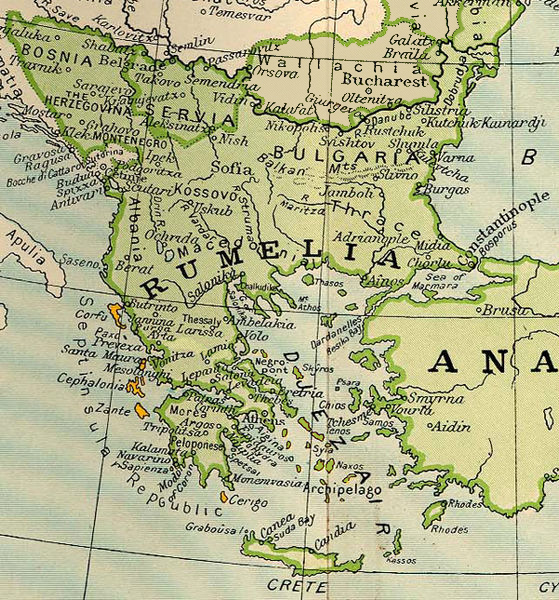
Map of "Turkey in Europe" in 1795

Rumeli Hisarı (Rumelian Fortress, 1452) on the European shore of the Bosphorus Strait in Istanbul
Economy Of Rumelia
Rumelia had a vibrant economy filled with trade and agriculture! 🛒Farmers grew grains, fruits, and vegetables on fertile lands. The region was famous for its products like tobacco and silk, which were traded far and wide. 🧵Merchants traveled along the roads and rivers to sell goods. Rumelia also had many workshops making items like pottery and textiles. The region became an important trade hub between Europe and Asia! 💰Children might find this interesting as they learn how people worked together to make their community grow and thrive! 🌱
Role In The Ottoman Empire
Rumelia played a big role in the Ottoman Empire! 🌟The region was one of the first that the Ottomans conquered, helping them expand their territory. It connected different regions, letting people travel, trade, and share ideas. The Ottomans built roads, bridges, and mosques, enhancing trade and culture. 🕌Rumelia produced soldiers and resources for the empire. It became a cultural melting pot, where lots of different influences mixed together! This made Rumelia an essential part of the empire for centuries, with a significant impact on history. 📚
Major Cities And Settlements
Some important cities in Rumelia were Sofia, Plovdiv, Thessaloniki, and Skopje! 🏙️ Sofia is now the capital of Bulgaria and is known for its beautiful churches. Plovdiv is one of the oldest cities in Europe, with ancient ruins! 🏛️ Thessaloniki, located by the sea, is famous for its stunning waterfront and famous festivals! Lastly, Skopje is the capital of North Macedonia and is known for its statues and bridges! 🚶♀️ These cities have rich histories and are full of wonderful stories to explore. Young travelers might dream of visiting these fantastic places! ✈️
Decline And Legacy Of Rumelia
By the early 20th century, Rumelia began to decline in importance. The Balkan Wars (1912-1913) and World War I changed its political landscape! 🌍The region that was once part of the glorious Ottoman Empire became divided among other countries. Many people celebrate their mixed heritage, as Rumelia left a legacy of cultural richness! 🌈Today, its traditions in music, dance, and cuisine continue to influence the Balkans. Children can learn how history isn't just in the books; it's in the stories, dances, and foods that shape the lives of people today! 🕊️
Cultural Influences In Rumelia
The culture of Rumelia is a fabulous blend of various traditions! 🎭People from different backgrounds, like Greeks, Bulgarians, and Turks, brought their music, dances, and delicious foods! Oh, the food! 😋You can find tasty dishes like moussaka (a bake made with eggplant) and baklava (a sweet dessert). Festivals celebrate this diversity with colorful parades, dance performances, and yummy feasts. Traditions and languages mix beautifully, making Rumelia a vibrant place. Children in Rumelia love storytelling and often hear tales that reflect their rich cultural history. 📚
Modern Perspectives On Rumelia
Today, Rumelia isn’t a single region but a collection of countries! 🗺️ Bulgaria, Greece, North Macedonia, and parts of Turkey have roots in the history of Rumelia. Many people are discovering their cultural heritage and celebrating it through festivals and education. 🌺Young learners can explore how history affects modern societies and how people connect through shared pasts. Many educational programs teach children about this fascinating history! 📖Rumelia remains a symbol of unity in diversity, showing how cultures can come together to form something beautiful! 🌟
Political Structure In Rumelia
Rumelia was part of the Ottoman Empire, which had a unique government! 🏛️ The Sultan was the king, ruling with the help of local leaders called Beys. Depending on the area, towns and villages had their own systems too. Administrative divisions made it easier to manage. For example, regions were divided into sanjaks, which were like provinces. 😃The Ottomans also allowed people to follow their religions, making it easier for everyone to live together peacefully. This way, they could take care of their communities in ways important to them!
Historical Background Of Rumelia
Rumelia became part of the Ottoman Empire in the late 14th century, when warriors called the Ottomans conquered it. 🏇This area was busy with traders and travelers, making it lively! Many different cultures, languages, and religions thrived there. The Ottomans ruled the land until World War I in the early 20th century. Important events, like battles and treaties, occurred here, shaping the region's future. The history is exciting, with stories of brave heroes! 📜Famous figures include Sultan Mehmed II, known for his conquest of Constantinople in 1453!
Conflict And Military Significance
Rumelia was important for battles and conflicts, especially during the Ottoman Empire! ⚔️ Many armies fought for control of this region due to its valuable trade routes and locations. Key battles, like the Battle of Kosovo in 1389, took place there. The strategic position of Rumelia made it a military stronghold. 🛡️ Both the Ottomans and other European countries saw it as vital. These conflicts often changed the borders and settlements, affecting the lives of the people living there. Young students can learn about how history is shaped by such important events!
Geography And Characteristics Of Rumelia
Rumelia is famous for its stunning geography! 🏞️ It has mountains like the Rhodope Range and beautiful rivers such as the Vardar River. 🌊The climate here is a mix of hot summers and cold winters, perfect for growing crops like grapes and olives. Its diverse landscapes include forests, valleys, and coastal areas along the Aegean Sea. 🌅It’s a significant part of the Balkan Peninsula, which is a home to many animals, plants, and even fairytale castles! 🏰Young adventurers would love exploring its parks and beautiful countryside!
Rumelia Quiz
Learn more about Rumelia
