Romanesque Architecture Facts For Kids
Romanesque architecture is a medieval architectural style in Europe characterized by thick walls, rounded arches, and large structures like cathedrals that flourished in the 11th and 12th centuries.

Do more with AI
Introduction
Romanesque architecture is a special style of building that was popular in Europe during the 11th and 12th centuries. 🏰This style is known for its thick walls, rounded arches, and large towers. The word "Romanesque" comes from the use of Roman elements in design, like arches and columns. It was a time of change when people built amazing churches and castles that could last a long time! The most famous countries with Romanesque buildings are France, Italy, and Spain. Countries like these showcase many beautiful structures that still amaze visitors today! 🌍✨
Images of Romanesque Architecture


San Tomè, finestrella abside

Marriage of the Virgin (Robert Campin, c. 1420–1430)

Famous Romanesque Structures
Some of the most famous Romanesque structures can be found in Europe! One is the Abbey Church of Sainte-Foy in Conques, France, built around the 11th century. 🥖Another is the Tower of Pisa in Italy, famous for leaning! 🌇The Durham Cathedral in England is also a great example, known for its massive stone arches and beautiful ceiling. 🕍Each of these buildings tells a story of the people and time that created them. They are great places to visit to learn more about this fascinating style!
Key Elements And Design Features
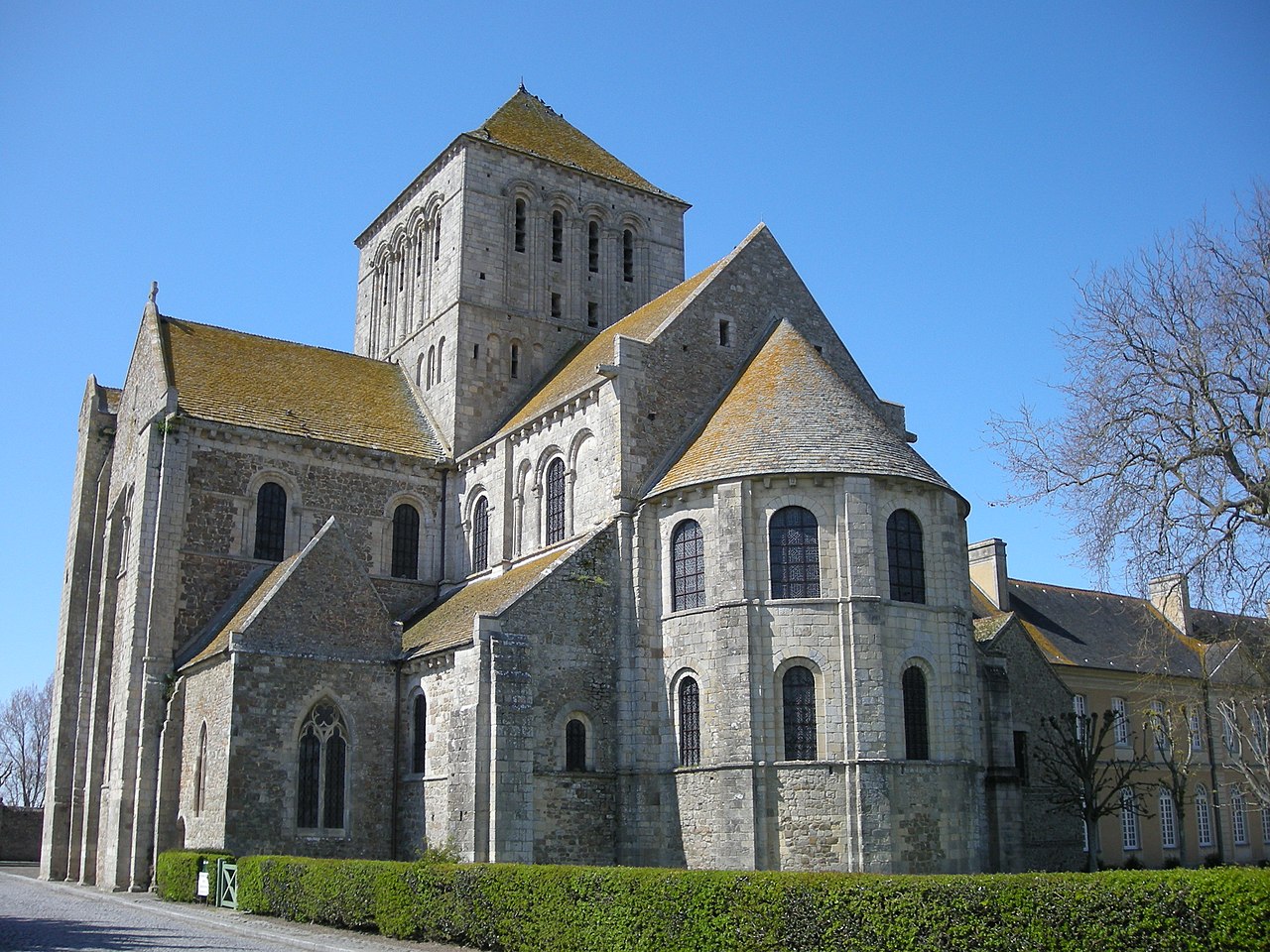
Romanesque architecture has many key elements! 📏First, the thick walls not only held the building up but also protected it from enemies. 🛡️ Next, rounded arches make up doorways and windows, creating a beautiful but strong design. Buildings often have tall towers that can be seen from far away. 📡You’ll also find classic small windows that let in light but also kept people safe. 🌞Additionally, many of these buildings are richly decorated with carvings and sculptures, adding personality to their powerful appearance!
Historical Context And Development
During the 11th and 12th centuries, Europe was changing! 🌟People were becoming more religious, which led to many new churches being built. The Romanesque style started in Italy and spread to other parts of Europe, like France and England. It was influenced by the Roman Empire’s architecture, which was known for strength and durability. 🏛️ This style was also a response to the need for bigger and stronger buildings that could house many people. Scholars, artists, and builders worked together to create stunning structures that reflected the people's faith and community!
Influence On Later Architectural Styles
Romanesque architecture helped inspire other styles that came later! 🌟After the Romanesque period, many elements were included in Gothic architecture, which became popular in the 13th century. 🏰Gothic buildings had flying buttresses, pointed arches, and tall spires, but they took inspiration from the sturdy designs of Romanesque buildings. This shows how styles can change and adapt over time while keeping some of their roots! 🌱The strength and beauty of Romanesque architecture influenced how people built churches and castles for centuries to come, shaping the way we see buildings today!
Romanesque Sculpture And Decorative Arts
Romanesque architecture isn’t just about the buildings; sculptures and decorations made them special too! 🗿Many buildings had amazing carvings on the outside. These often showed stories from the Bible or pictures of saints. 🎉Artists worked hard to make these details colorful and exciting to look at! Inside, churches and cathedrals were often filled with murals and paintings that told stories through bright colors. 🎨The art added to the sense of awe and wonder in the sacred spaces, helping people feel connected to their faith.
Characteristics Of Romanesque Architecture
One big feature of Romanesque architecture is the rounded arch. 🌈These arches look like half circles and help support the walls. The buildings also had thick stone walls to keep them strong. Another characteristic is the barrel vault, which is a curved ceiling that looks like a tunnel. 🔄Romanesque buildings often had small windows, making the insides a bit dark and mysterious! ⚡The structures were typically simple and sturdy, focusing more on strength than decoration at first. The stone feels solid, and you can often see the small stones used to create beautiful patterns! 🏗️
Regional Variations In Romanesque Architecture
While Romanesque architecture began in Italy and France, it changed a little in different areas! 🌍In Germany, buildings often had unique towers and darker stone. The Romanesque architecture in Spain was influenced by Islamic design, using bright colors and intricate patterns. 🎨In England, structures like Durham Cathedral had more ornamentation, with lovely details carved into the stone. 🌼These different styles show how local culture influenced how buildings looked and felt, making each region's structures unique and beautiful!
Preservation And Restoration Of Romanesque Buildings
Today, many Romanesque buildings are still standing, but they need care! 🌿Organizations and volunteers work hard to preserve these structures, making sure they stay strong and beautiful for future generations. 🛠️ They use special techniques to clean and repair the buildings without damaging the original stone. Restoration helps keep the history alive so that more people can enjoy visiting them! 🥳By studying and caring for these ancient treasures, we learn about our past and how creativity can last through the ages!
Romanesque Architecture Quiz
Learn more about Romanesque Architecture
