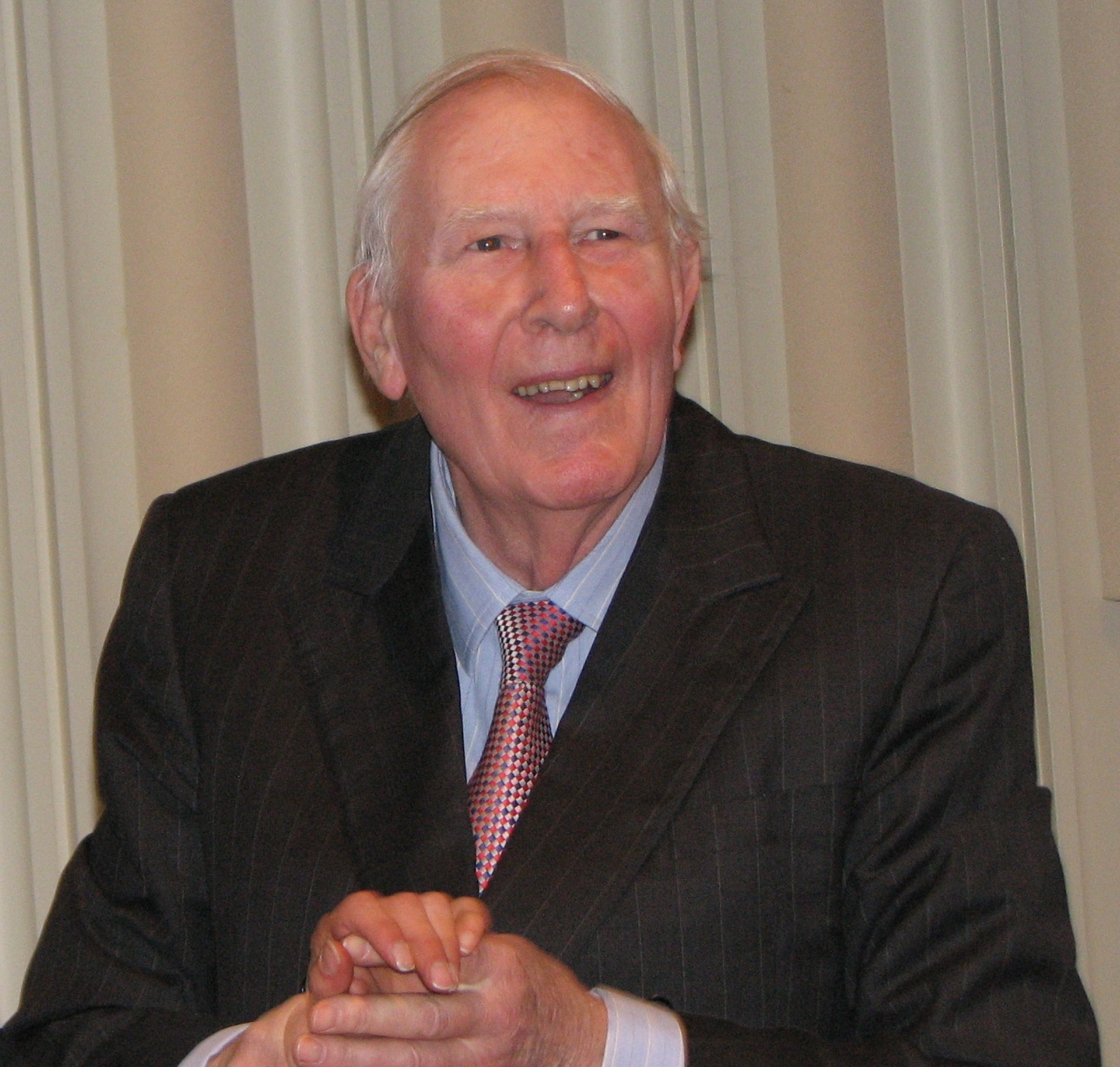
Roger Bannister was a famous British runner born on March 23, 1929, in Harrow, England π¬π§. He is best known for being the first person to run a mile in under four minutes! πββοΈπ¨ On May 6, 1954, he completed the mile in an amazing time of 3 minutes and 59.4 seconds at Oxford University. Roger was not only an athlete but also a doctor who helped people understand their health better. He passed away on March 3, 2018, but his achievements inspire runners to this day.
Bannister with wife Moyra, son Clive and daughter Carol in 1959
Memorial stone in Westminster Abbey
πββοΈ Athletic Career
Roger Bannister's athletic career began when he joined the school running team. He trained hard and improved his speed every day! πββοΈβ‘ In 1948, he competed in the Olympics in London but did not win a medal. However, he didn't give up! He focused on breaking the four-minute mile hurdle. Roger trained with other talented runners and used special techniques, like interval training, to get faster. Finally, in 1954, he achieved his dream and set the world record. His effort showed that with hard work, anything is possible!
Roger Bannister is not just a sports star; he's a cultural icon! π¬His achievement inspired books, movies, and documentaries that tell his incredible story. People around the world celebrate May 6 as "Sub-Four Minute Mile Day" in his honor. Artists and writers use his story to show that dreams can come true with hard work. Schools teach kids about him to inspire a new generation of athletes. Roger's impact reaches beyond running, teaching us valuable life lessons about determination and believing in ourselves.
Roger Bannister received many awards throughout his life. π After breaking the four-minute mile, he was honored with the BBC Sports Personality of the Year award in 1954. He was also named a Knight Bachelor in 1975, an important honor in England. Roger even received the prestigious Olympic Order for his contributions to sports. Many schools and sports events are named after him to celebrate his legacy. These awards recognize not only his amazing running skills but also his dedication to medicine and health promotion.
Roger Bannister's legacy is about courage and determination. He showed the world that limits can be broken! πAfter his record-breaking mile, many athletes started to break the four-minute mark too. Eventually, running a mile under four minutes became a common goal for competitive runners. Roger inspired generations of athletes to push themselves further. His story teaches us that with belief, practice, and passion, we can achieve amazing things. He remains a symbol of perseverance in sports and health!
On May 6, 1954, Roger Bannister made history at Iffley Road Track in Oxford. He ran the mile in less than four minutes! πHis time was 3 minutes and 59.4 seconds. This amazing achievement surprised everyone because many believed it was impossible to run that fast. Roger ran with two pacemakers, Chris Chataway and Chris Brasher, who helped him maintain speed. When he crossed the finish line, he knew he had broken a record! πThis inspiring moment changed running forever and motivated many others to compete in long-distance races.
After his famous running career, Roger Bannister continued to work in medicine. π¨ββοΈ He became a neurologist, studying the brain and helping people with health issues. Roger wrote several books about running and health, sharing his experiences with others. He remained active in the running community and gave important speeches about sportsmanship. He also joined many sports organizations, helping to promote running. Even in later years, Roger was a role model, encouraging young runners to chase their dreams and stay healthy!
Roger grew up in a busy family with three siblings. He loved sports and was a good student! πFrom a young age, he enjoyed running and playing different games. Roger went to a school called the University College School, where he practiced his running skills. Later, he studied medicine at St. Maryβs Hospital in London, specializing in neurology. During his studies, he continued running, balancing his love for sports with his education. This dedication helped shape him into a champion athlete and a doctor who would change lives!