Rodentia Facts For Kids
Rodentia, commonly known as rodents, is an order of mammals characterized by their continually growing incisors, diverse species, and ecological significance.
Select reading age

Rodentia Facts For Kids
Videos & Quizzesincluded
About this topic
Rodentia, commonly known as rodents, include animals like mice, rats, squirrels, and beavers. 🐭These furry creatures are part of the largest group of mammals in the world! There are more than 2,000 species of rodents, found on every continent except Antarctica. They have special teeth called incisors that grow continuously throughout their lives; that's why they need to gnaw on things to keep them trimmed! Rodents play vital roles in ecosystems, like being food for predators and helping to disperse seeds. 🌱They’re fascinating creatures, and lots of fun to learn about!
Explore with ChatDinoKey Points
Many rodent species are common, but some are endangered.
Rodents are primarily herbivores, meaning they mainly eat plants.
Rodents come in all shapes and sizes!
Rodents play interesting roles in human culture!
Rodents live in a wide variety of habitats around the world, from forests 🌳 and grasslands 🌾 to deserts 🌵 and cities.
Rodents belong to a group called Rodentia.
Rodents have a fascinating life cycle.
Rodent behavior is often social; many live in groups for safety and fun!
Photos of Rodentia

Captive Springhare , Henry Doorly Zoo, Omaha Nebraska.

Golden-mantled Ground Squirrel ( Callospermophilus lateralis ). Bryce Canyon, Utah (USA). Image taken by Eborutta .
 Image by Steve from Washington, DC, USA, licensed under Creative Commons Attribution-Share Alike 2.0
Rodentia — photo 3
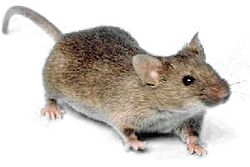
Rodentia — photo 4

Rodentia — photo 5

Drawing of typical rodent tooth system: The front surface of the incisors is hard enamel, whereas the rear is softer dentine. The act of chewing wears down the dentine, leaving a sharp, chisel-like edge.

Noticeable diastema in a rodent skull

Incisors of a guinea pig

Volume rendering of a mouse skull (CT) using shear warp algorithm
🌍 Conservation Status
Many rodent species are common, but some are endangered. 🌍For instance, the kangaroo rat is at risk due to habitat loss. Conservation efforts are important to protect these animals and their homes. Zoos and wildlife organizations work hard to save endangered rodents by breeding them in captivity and restoring their habitats. 🦙By learning about these creatures, we can help keep them safe! Caring for the environment and respecting wildlife will ensure that future generations can enjoy seeing these amazing animals.
Go deeper🌿 Diet And Feeding Habits
Rodents are primarily herbivores, meaning they mainly eat plants. 🌿They enjoy seeds, nuts, fruits, and even bark! Some species, like the rat, are omnivores and will eat almost anything. Did you know rodents have to gnaw on food constantly? Their sharp teeth keep growing, so they need to chew to keep them from getting too long! 🐀To find food, they often forage and store extra in nests or tunnels. This behavior helps them survive when food is scarce. Squirrels are famous for hiding nuts for winter!
Go deeper🐿️ Physical Characteristics
Rodents come in all shapes and sizes! Most have small bodies, short necks, and long tails, but their sizes can really vary. 🐿️ The smallest rodent, the bumblebee bat, is just 1.1 inches long, while the capybara can be over 4 feet long! 🦙They have big front teeth (incisors) that are ideal for chewing on tough plants and seeds. Their fur can be smooth or fluffy and comes in many colors, including brown, gray, and even bright colors for some pet rodents! Their keen sense of smell and hearing helps them find food and stay safe.
Go deeper🐭 Rodents In Human Culture
Rodents play interesting roles in human culture! 🐭Mice and rats are often featured in stories, like the famous "Stuart Little" by E.B. White and Disney’s "Ratatouille." In some cultures, people keep pet hamsters, guinea pigs, or rabbits for companionship. 🐹They are also important for science and research, helping scientists learn about diseases and biology. Throughout history, rodents have been misunderstood, but they contribute much to nature, art, and our understanding of ecosystems. They are charming creatures full of surprises! 🎉
Go deeper🌳 Habitats And Distribution
Rodents live in a wide variety of habitats around the world, from forests 🌳 and grasslands 🌾 to deserts 🌵 and cities. Mice and rats are common in urban areas, while squirrels can be found in parks and forests. Beavers build dams in rivers and ponds, creating wetland habitats. Rodents are everywhere! The house mouse can be found almost anywhere humans live, while the desert kangaroo rat prefers sandy desert areas in the southwestern United States. 🌏With so many species, rodents adapt to many environments!
Go deeper🦘 Classification Of Rodentia
Rodents belong to a group called Rodentia. 🦘They are divided into several families, such as Muridae (mice and rats), Sciuridae (squirrels), and Castoridae (beavers). Some well-known examples include the house mouse (Mus musculus), the Norway rat (Rattus norvegicus), and the Eastern gray squirrel (Sciurus carolinensis). Did you know that the capybara is the largest rodent? They can weigh up to 150 pounds! 😲Within this massive family, rodents have adapted in various ways to survive in their environments.
Go deeper🍼 Reproduction And Life Cycle
Rodents have a fascinating life cycle. Most rodents reach maturity quickly, usually within a few months! 🍼They can have large litters, sometimes up to 12 babies at once! A mouse can give birth every few weeks, which helps their populations grow fast. The young, called pups, are born blind and hairless and depend on their mothers for food. 🐾After a few weeks, they learn to eat solid food and venture out on their own. Rodents can live for a few years, but some, like mice, may only live for about 2 years!
Go deeper👫 Behavior And Social Structure
Rodent behavior is often social; many live in groups for safety and fun! 👫For example, mice and rats are very social and communicate with each other using sounds and scents. Squirrels can be found climbing trees and having a great time gathering food. Some rodents, like beavers, are very industrious! They build dams and lodges to create safe homes. 🏡Others, like the solitary porcupine, prefer to live alone. Rodents also use burrows to hide from predators and store food for winter. They are clever little creatures!
Go deeper