Robert F. Furchgott Facts For Kids
Robert F. Furchgott was an influential American biochemist renowned for discovering nitric oxide as a key signaling molecule, earning him the Nobel Prize in 1998.
Select reading age

Robert F. Furchgott Facts For Kids
Videos & Quizzesincluded
About this topic
Robert F. Furchgott (1916-2009) was an American biochemist who made exciting discoveries about our body's cells! 🎉He studied how cells communicate using gases, especially a gas called nitric oxide. His work helped doctors understand how our blood vessels relax, which is super important for our hearts. 💖Furchgott was awarded the Nobel Prize in Medicine in 1998 for his incredible research, which changed how we think about medicines and diseases. His discoveries not only helped people but also inspired many scientists to explore the wonders of our bodies. 🌍
Explore with ChatDinoKey Points
Outside of science, Robert Furchgott enjoyed spending time with his family and friends!
Robert F.
After receiving the Nobel Prize, Robert Furchgott continued his research and teaching at the State University of New York at Downstate Medical Center.
Robert Furchgott made many important discoveries during his career!
Robert Francis Furchgott was born on June 4, 1916, in Newburgh, New York.
Robert F.
Many other scientists have built on Robert Furchgott's discoveries!
Robert F.
Furchgott received the prestigious Nobel Prize in Physiology or Medicine in 1998!
In the 1980s, Furchgott discovered a special substance called Endothelium-Derived Relaxing Factor (EDRF)!
Photos of Robert F. Furchgott

Robert F. Furchgott — photo 1
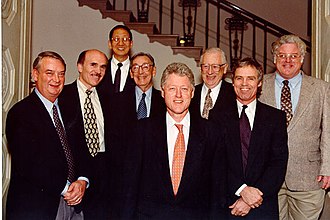
Furchgott and other 1998 Nobel Prize winners with former U.S. President Bill Clinton, November 1998
🏡 Personal Life
Outside of science, Robert Furchgott enjoyed spending time with his family and friends! 🏡He loved classical music and even played the piano! 🎶Furchgott was a caring person who valued sharing his knowledge with others. He often told stories about his childhood and adventures in science. Actively involved in his community, Furchgott mentored young scientists, inspiring them to chase their dreams! 🌠He believed science should be fun and exciting! Robert Furchgott’s life teaches us that being curious, caring, and passionate can lead to amazing discoveries! 💖
Go deeper🌟 Legacy And Honors
Robert F. Furchgott's scientific achievements left a lasting legacy! 🌟He inspired many students to explore the world of science. He received numerous awards for his work, including the National Medal of Science in 2005! 🏆Scientists around the world continue to build on his discoveries about nitric oxide. Furchgott believed in the importance of curiosity and exploration. His work is essential in helping save lives and improving people's health. 📈Furchgott’s impact will be felt for many generations as researchers further investigate the mysteries of our bodies! 🧬
Go deeper🏫 Later Life And Career
After receiving the Nobel Prize, Robert Furchgott continued his research and teaching at the State University of New York at Downstate Medical Center. 🏫He loved sharing his knowledge with students and guiding young scientists! Furchgott believed that teaching was as important as discovering. He encouraged students to explore the world of science and always ask questions. 🔍Even in his later years, he remained curious and passionate about his work. Furchgott showed that science is a lifelong journey, and there’s always something new to learn! 📖
Go deeper🧪 Research Contributions
Robert Furchgott made many important discoveries during his career! 🧪He studied cell membranes and how they send messages to each other. His most famous research was on nitric oxide, which acts like a tiny messenger in our bodies. 💬Furchgott found that when our blood vessels relax, nitric oxide plays a crucial role. This discovery helped scientists understand many diseases related to the heart and blood flow. He loved sharing his findings with other scientists and teaching students about the wonders of biochemistry! 📚His work opened doors for new treatments and medicines. 💊
Go deeper🗽 Early Life And Education
Robert Francis Furchgott was born on June 4, 1916, in Newburgh, New York. 🗽He grew up in a loving family and developed an interest in science at a young age. He attended New York University, where he earned his bachelor's degree in 1937. Later, he went to the University of Wisconsin to study for his Ph.D. He loved learning and asking questions about how things work! 🎓After finishing his education, he dedicated his life to researching how cells communicate. Furchgott was curious and always wanted to discover new things about life and health! 🌱
Go deeper🌍 Influence On Future Research
Robert F. Furchgott's groundbreaking discoveries influence many scientific fields today! 🌍His research on nitric oxide continues to inspire studies on heart health, stem cells, and even cancer treatments! 🔬Future researchers keep investigating how gases interact with cells and what new medicines can help patients. Furchgott showed the world how one exciting discovery can lead to a ripple effect, creating new questions and answers about our bodies! 🌊His legacy is a reminder that curiosity and hard work can lead to great discoveries that change lives for the better! 💖
Go deeper🧬 Related Scientific Discoveries
Many other scientists have built on Robert Furchgott's discoveries! 🧬After his work on nitric oxide, researchers found it plays a key role in various bodily functions, including the immune system! 🦠Scientists also discovered that nitric oxide can help with erections, leading to new medicines for erectile dysfunction. 💊Other studies linked it to helping reduce inflammation and improve exercise performance! 🚴Furchgott’s discoveries sparked interest in studying other gaseous messengers in the body, such as carbon monoxide. His work opened many exciting doors in research and medicine! 🚪
Go deeper🏥 Impact On Cardiovascular Medicine
Robert F. Furchgott's research changed cardiovascular medicine forever! 🏥His discovery of nitric oxide paved the way for new treatments for heart disease and high blood pressure. 💖Doctors now understand that keeping blood vessels healthy is super important for heart health. Furchgott’s work also led to medicines like nitroglycerin, which helps relieve chest pain. 🔥Thanks to his discoveries, millions of people around the world benefit from better heart health, and scientists are still studying how nitric oxide works today! 🌍Furchgott’s legacy is a reminder of the incredible mystery of our bodies! 🔍
Go deeper🏅 Nobel Prize In Physiology Or Medicine
Furchgott received the prestigious Nobel Prize in Physiology or Medicine in 1998! 🏅He shared it with two other scientists, Louis J. Ignarro and Ferid Murad, who also studied nitric oxide. This was a big honor for Furchgott and showed how important his work was! 🎊The Nobel Prize recognizes great achievements in science and helps inspire more discoveries. Furchgott’s findings helped doctors create new heart medicines, making them even more important for patients with heart problems. 💖His achievements remind us that great discoveries start with curiosity and perseverance! 🌟
Go deeper🎉 Discovery Of Endothelium-derived Relaxing Factor
In the 1980s, Furchgott discovered a special substance called Endothelium-Derived Relaxing Factor (EDRF)! 🎉This was important because EDRF helps blood vessels relax and opens them wider for blood to flow easily. 🩸He learned that nitric oxide is the main part of EDRF! By studying this, Furchgott realized that if our blood vessels relax, it can lower blood pressure and keep our hearts healthier. ❤️ His discovery was like solving a puzzle that helped scientists understand how our bodies stay healthy and how we can fight various diseases! 🧩
Go deeper