Rib Facts For Kids
Ribs are long curved bones that form the rib cage, which protects vital organs and supports the upper body.
Select reading age

Rib Facts For Kids
Videos & Quizzesincluded
About this topic
Ribs are amazing bones that protect your lungs and heart! 💖There are 24 ribs in a typical adult human body. Ribs are curved and long, forming a protective structure called the rib cage. This cage is part of the axial skeleton, which keeps our bodies stable. Ribs connect to the spine at the back and many connect to the sternum (breastbone) in the front. They are super important for breathing and protecting vital organs. Did you know that without ribs, your chest would be soft and squishy? Ribs keep us safe and help us breathe easily!
Explore with ChatDinoKey Points
There are three types of ribs in our bodies: true ribs, false ribs, and floating ribs.
Each rib has three main parts: the head, neck, and body.
The rib cage is the bony structure that forms a protective box around our chest!
Ribs can get injured, especially during sports or accidents.
Did you know ribs start developing before we are even born?
Ribs have important jobs!
Ribs are found in many animals, not just humans!
Some people can have disorders or diseases that affect their ribs.
Ribs are super cool!
Photos of Rib


X-ray image of human chest, with ribs labelled

Skeleton of a dog showing the location of the ribs

Rib cage of the big brown bat (Eptesicus fuscus)
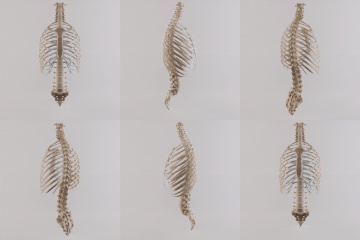
😉 Types Of Ribs
There are three types of ribs in our bodies: true ribs, false ribs, and floating ribs. True ribs (1-7) attach directly to the sternum. 😉False ribs (8-10) are connected to the sternum, but not directly, using cartilage. Floating ribs (11-12) don’t connect to the sternum at all! They are shorter and are just anchored to the spine. This design helps our rib cage be flexible, making it easier to breathe and move. Ribs come in different lengths and shapes, and each type has a unique job in protecting our organs!
Go deeper💪 Anatomy Of The Rib
Each rib has three main parts: the head, neck, and body. The head of the rib connects to the spine, while the neck is the narrow part before the body. The body, or shaft, curves around your body to the front. 💪Ribs can be flat and lightweight, making them easy to move! Each rib has a unique shape, helping it fit perfectly with its neighbors. Some ribs attach directly to the sternum, while others connect through cartilage. Cartilage is a soft tissue that cushions and connects bones together. Isn’t that cool?
Go deeper🦴 Rib Cage Structure
The rib cage is the bony structure that forms a protective box around our chest! It consists of the sternum in the front, 12 pairs of ribs, and the spine at the back. 🦴Together, these parts form a cool shape, which is great for breathing! The rib cage helps our lungs expand and fill with air while also letting our heart pump blood. It is flexible, allowing us to bend in different directions. Just like a superhero's armor, this structure keeps our vital organs safe from harm and is essential for our everyday activities!
Go deeper🏃♂️ Common Rib Injuries
Ribs can get injured, especially during sports or accidents. Some common rib injuries include fractures, which are breaks in the rib bones, and bruises, hurting the soft tissue around the ribs. 🏃♂️ If you fall down or play rough, your ribs might hurt. It's important to see a doctor if you feel sharp pain while breathing or moving. The doctor may recommend rest or special treatments to help heal the ribs. Protecting your ribs means wearing safety gear while playing sports and being careful when climbing or running!
Go deeper🤰 Development Of Ribs
Did you know ribs start developing before we are even born? 🤰In a baby, ribs begin as cartilage, which is softer than bone. As we grow, this cartilage turns into strong bones! Babies are born with about 12 pairs of ribs, which may not connect all the way. This allows for growth and flexibility as they develop! By the time a person reaches adulthood, the ribs have developed into strong, bony structures. Keeping our ribs healthy is important. Eating healthy foods and being active helps our bones grow strong and sturdy!
Go deeper❤️ Functions Of The Rib
Ribs have important jobs! First, they protect our heart and lungs from injury. ❤️ Second, they help us breathe! When we inhale, our ribs expand, allowing our lungs to fill up with air. When we exhale, the ribs move back together, pushing air out. Third, ribs help support our body's shape, keeping us upright and stable. Ribs also play a part in helping us twist and turn. When you jump or dance, your ribs move but still protect the organs inside you. They are like natural armor for your vital parts!
Go deeper🦓 Ribs In Different Animals
Ribs are found in many animals, not just humans! 🦓In mammals, ribs protect the heart and lungs like in humans. But different animals have: different numbers of ribs! For example, cows have 13 pairs, while chickens have only 7. Birds have lighter structures so they can fly easier, and their ribs are shaped differently! In reptiles like snakes, ribs help to support their elongated bodies while also allowing them to slither. 🐍Each animal's rib structure is designed for its unique way of life, showing how special ribs are across the animal kingdom!
Go deeper🏥 Rib Disorders And Diseases
Some people can have disorders or diseases that affect their ribs. One example is costochondritis, which is when the cartilage connected to the ribs becomes inflamed, causing chest pain. 🏥Another condition is scoliosis, where the spine bends sideways, affecting the rib cage shape. It's important to visit a doctor if there are concerns about pain or unusual shapes. Regular check-ups help keep us healthy. Many rib disorders can be treated, allowing people to feel better and enjoy life! Staying active and eating healthy also plays a big role in long-term rib health!
Go deeper🦒 Interesting Facts About Ribs
Ribs are super cool! Did you know that some animals have more ribs than humans? For example, giraffes have 14 ribs, while cats have 13 pairs! 🦒🐱 Some animals, like whales, have very different ribs that help them swim in the ocean. Ribs can even move slightly to help with breathing! Another fun fact is that people from different cultures use ribs as food! Delicious dishes like barbecue ribs are found in many countries. Enjoying food is just one way we celebrate the ribs' importance! Isn’t it fun to learn about these special bones?
Go deeper