Rhododendron Facts For Kids
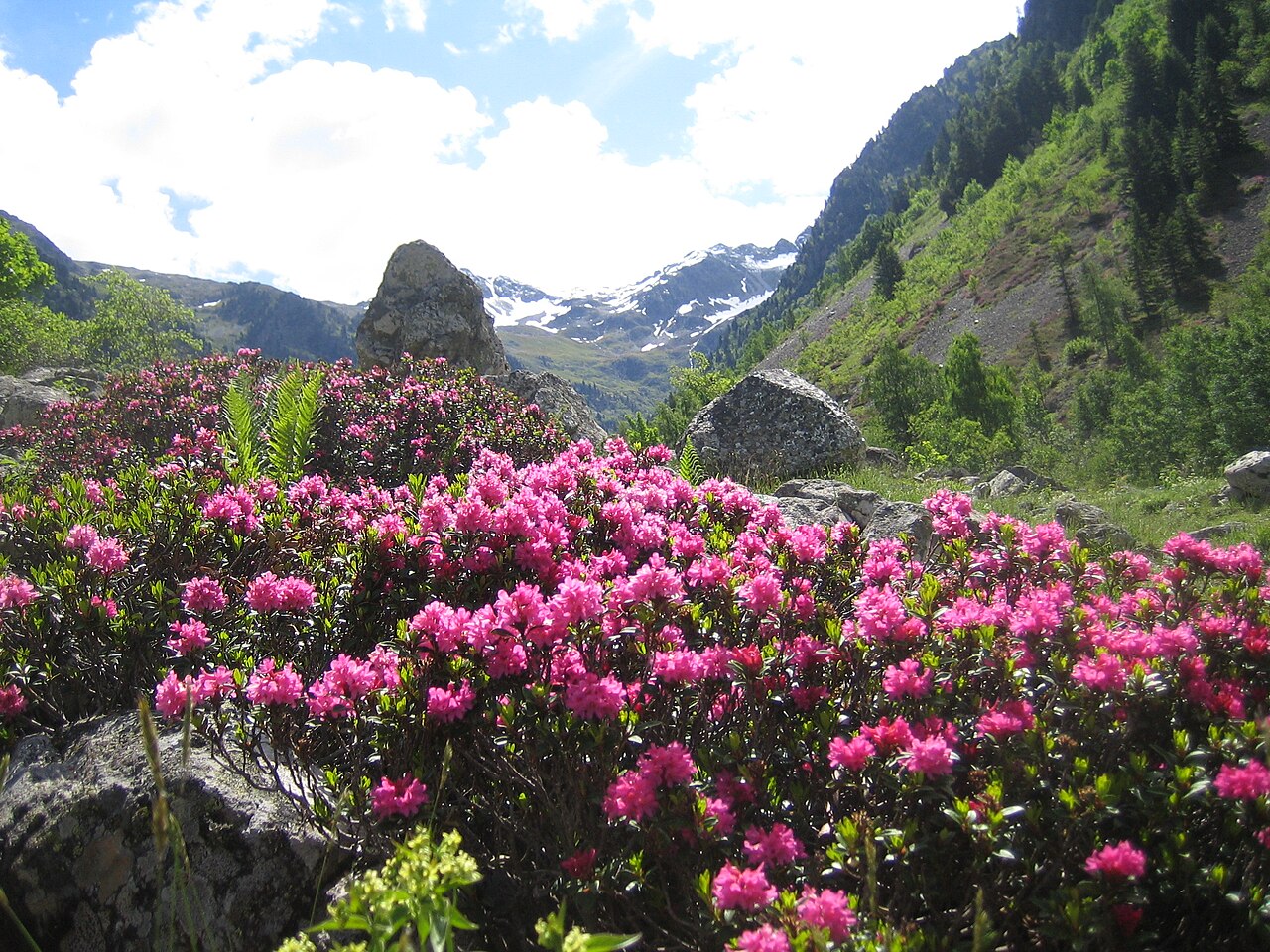
Rhododendron is a large genus of about 1,024 species of woody plants in the heath family, known for their stunningly colorful flowers.
Select reading age
Rhododendron Facts For Kids
Videos & Quizzesincluded
About this topic
Rhododendrons 🌼 are beautiful flowering plants that belong to a big family called Ericaceae! There are about 1,024 different species of Rhododendrons, which makes them super diverse! Some Rhododendrons are bushes, while others can grow into tall trees. They are found in many places around the world, including Asia, Europe, and North America. 🌍These lovely plants show off colorful flowers in spring, usually in pink, purple, or white! Rhododendrons are popular in gardens because of their amazing blooms and shiny green leaves! They love cool, damp environments, so they thrive in forests and on hillsides.
Explore with ChatDinoKey Points
There are many Rhododendron varieties to explore!
Rhododendrons are diverse, with over 1,024 species around the globe!
Rhododendrons are not just pretty plants, but they have benefits too!
Like all plants, Rhododendrons can sometimes face problems with pests and diseases!
Growing Rhododendrons in your garden can be super fun!
Rhododendrons play an important role in the environment!
Rhododendrons hold special meaning in various cultures around the world!
Rhododendrons are native to many places around the world!
Rhododendrons come in many shapes and sizes!
The scientific name for Rhododendron is simply "Rhododendron" 🌿, but the plants are classified into different groups.
Photos of Rhododendron

Rhododendron in the Carpathian Mountains of Western Ukraine

Rhododendrons (Guras) at Ghorepani, Nepal

Rhododendron forest in Nepal

Rhododendron in Japan

A garden with tall Rhododendrons in Lynnwood, Washington

Rhododendron (গুরাস), Sandakphu, West Bengal, India

Azalea, Texas Gulf Coast


Deciduous Rhododendron luteum in fall colour
🌺 Notable Varieties
There are many Rhododendron varieties to explore! 🌺One notable type is the Rhododendron 'Northern Lights,' which blooms in bright colors like orange and yellow. Another favorite is the Rhododendron 'Nova Zembla,' known for its stunning red flowers, which can grow up to 3 inches wide! 💖The Rhododendron 'Yaku Princess' is a dwarf variety, making it perfect for small gardens. 🌱Each one has a unique beauty that adds charm to gardens and parks. Enthusiasts love collecting these varieties for their fascinating blooms and resilient nature! 🌼
Go deeper🌎 Species Diversity
Rhododendrons are diverse, with over 1,024 species around the globe! 🌎In the wild, you can find them growing in various habitats, from high mountain tops to lush, humid forests. Some popular types include the Catawba Rhododendron 🌸, the Rosebay Rhododendron, and the Southern Indian Rhododendron. Each species has unique features! For example, the Rhododendron 'Dora Amateis' has vibrant pink flowers, while the Rhododendron 'PJM' blooms in lavender! 🌈Each plant contributes to the rich diversity of nature, making the world a more beautiful place!
Go deeper🌼 Uses And Benefits
Rhododendrons are not just pretty plants, but they have benefits too! 🌼They provide shelter for many small animals, like birds and insects. The flowers attract bees and butterflies, helping them pollinate other plants! 🐝Rhododendron leaves can be used to help treat certain ailments in traditional medicine. However, be careful! Some Rhododendrons are poisonous if eaten! 🚷People love to use them in gardens and parks because they create beautiful landscapes. Rhododendrons improve air quality, making them valuable for the environment! 🌳
Go deeper🐛 Pests And Diseases
Like all plants, Rhododendrons can sometimes face problems with pests and diseases! 🐛One common pest is the aphid, which can suck the sap from the leaves, making them unhealthy. Another bug is the spider mite, which makes tiny webs on leaves. 🕸️ Some diseases like powdery mildew can cause a white, powdery fungus on the leaves! To keep Rhododendrons healthy, it's essential to check for these pests regularly. If you notice any issues, you can use soap solutions or natural predators, like ladybugs! 🌼Keeping the plants hydrated also prevents many diseases!
Go deeper🌱 Cultivation And Care
Growing Rhododendrons in your garden can be super fun! 🌱To start, choose a spot that gets some sunlight but also has shady areas. Rhododendrons prefer acid soil (pH 5.5) and need good drainage, so it’s a great idea to mix in some compost. You should water them regularly but don’t let them sit in water! 💧Fertilizing with special Rhododendron food in spring helps them bloom beautifully! Don’t forget to prune 🌿 your plants after they flower to keep them healthy. Watching them grow year after year can be a really exciting part of plant care!
Go deeper🌍 Environmental Impact
Rhododendrons play an important role in the environment! 🌍They provide vital habitats for many animals, including birds 🐦 and small mammals. By attracting pollinators like bees, Rhododendrons help support food webs in ecosystems. The plants also help prevent soil erosion by anchoring the soil with their roots. 🌱Additionally, they improve air quality by absorbing carbon dioxide and releasing oxygen. This makes them essential for a healthy planet! Protecting various Rhododendron species helps keep our environment balanced and thriving! 🌿
Go deeper🌸 Cultural Significance
Rhododendrons hold special meaning in various cultures around the world! 🇮🇳 In India, the Himalayan Rhododendron is the national flower and represents beauty! In Japan, the “Tsutsuji” (Japanese Rhododendron) is celebrated, and people enjoy its colorful blooms during flower festivals. 🌸In literature and art, Rhododendrons often symbolize love and passion. In many cultures, these lovely flowers are associated with the joy of nature, attracting happiness and positivity! 🌈Rhododendrons are featured in poetry too, reminding us to appreciate the beauty around us!
Go deeper🌍 Habitat And Distribution
Rhododendrons are native to many places around the world! 🌍They are commonly found in Asia, especially in countries like China and India. Additionally, Rhododendrons grow in parts of Europe and North America. 🌲They usually prefer cool, shady spots and can be found in forests, mountains, and even along streams. Many species grow well at high altitudes, where the air is cooler! 🌬️ Rhododendrons love acidic soil that is rich in nutrients. This is why they often grow in places where pine trees thrive, as their fallen needles help create the right soil!
Go deeper🌳 Physical Characteristics
Rhododendrons come in many shapes and sizes! Some are short bushes, while others can grow up to 100 feet tall! 🌳Their leaves are usually dark green and can be long or short, depending on the species. The most exciting part, of course, is the flowers! 🌸Rhododendron flowers can be pretty big, sometimes measuring up to 6 inches wide! They bloom in clusters and can be found in various colors like red, purple, pink, and yellow! The plants also have a special layer of wax on their leaves that helps them keep moisture during dry times! 💧
Go deeper🌿 Taxonomy And Classification
The scientific name for Rhododendron is simply "Rhododendron" 🌿, but the plants are classified into different groups. Rhododendron falls under the Ericaceae family, which also includes plants like blueberries and cranberries! 🫐Each Rhododendron species has its own name, like Rhododendron catawbiense or Rhododendron maximum. They are further grouped into subgenera and sections based on how they look. 🌱For example, some flower shapes are bell-like while others are tubular! Taxonomy helps scientists understand how different Rhododendrons are related and what makes each one unique!
Go deeper