Rhinoceros Beetle Facts For Kids
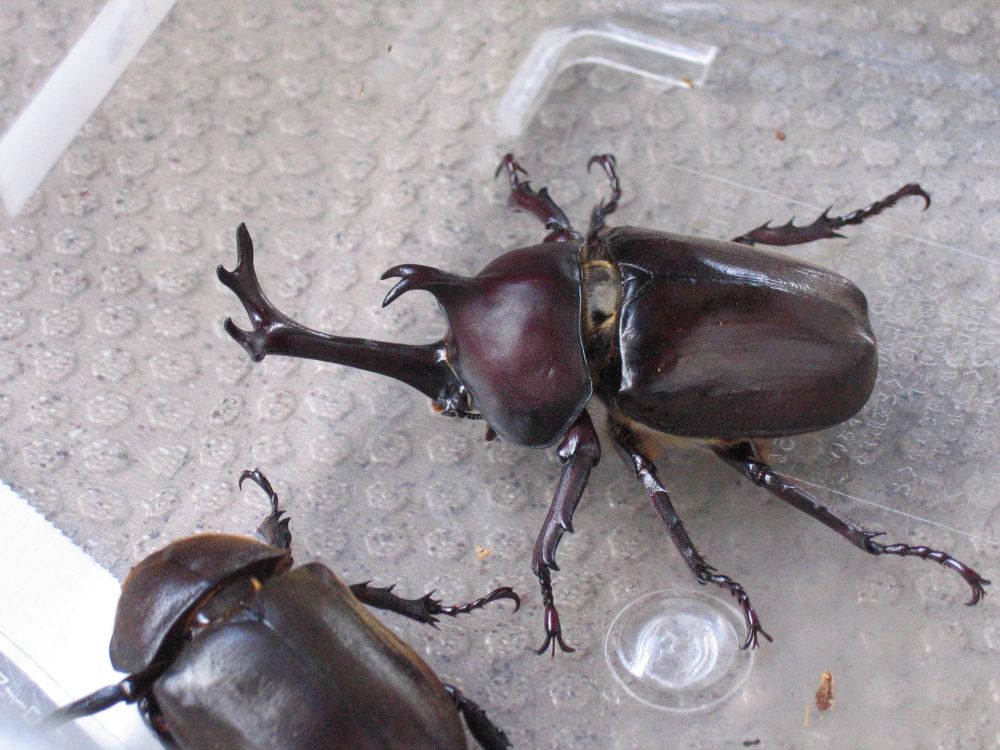
Rhinoceros beetles are large, robust insects known for the distinctive horns found on males and their impressive strength, playing a crucial role in the decomposition of organic materials.
Select reading age
Rhinoceros Beetle Facts For Kids
Videos & Quizzesincluded
About this topic
The rhinoceros beetle 🦏 is one of the coolest insects you'll ever see! They belong to the scarab family, which means they are related to dung beetles. These beetles can be found in many parts of the world, but they're especially common in tropical places like Africa, Asia, and Central America. With their impressive horns, some male rhinoceros beetles can grow up to 4 to 6 inches long! They are not dangerous, and they have a tough exoskeleton that helps protect them. Their name comes from the shape of their horn, which looks like a rhino's 🦏!
Explore with ChatDinoKey Points
Did you know that rhinoceros beetles can live for up to three years?
Rhinoceros beetles are nature’s true champions!
While rhinoceros beetles are generally not endangered, some species are threatened due to habitat loss 🌍.
In many cultures, rhinoceros beetles are thought to be symbols of strength and good luck 🌟.
Rhinoceros beetles love warm, humid environments 🌴.
Rhinoceros beetles are famous for their large size and strong horns.
Rhinoceros beetles are herbivores, meaning they eat plants 🌿.
Rhinoceros beetles go through a cool life cycle that has four stages: egg, larva, pupa, and adult 🐛.
Photos of Rhinoceros Beetle

A. dichotoma male from Taiwan

Japanese rhinoceros beetle climbing tree

Third instar larva (last step before metamorphosis)

Male Japanese rhinoceros beetle

Male Japanese rhinoceros beetles fighting

Female Japanese rhinoceros beetle in hand

Male and female side by side comparison
🎉 Fun Facts
Did you know that rhinoceros beetles can live for up to three years? 🎉That’s a long time for an insect! They also are known to be some of the strongest insects on Earth. In fact, some species can lift objects many times their own weight! Another fun fact is that their horns are made of a protein called "chitin," just like their exoskeleton. Finally, these beetles are nocturnal, meaning they like to be active at night, while during the day, they're resting underground or in trees just waiting for their nighttime adventures! 🌙
Go deeper💪 Unique Adaptations
Rhinoceros beetles are nature’s true champions! 💪Their large size and strong horns help them win battles and attract mates. Some species can lift over 800 times their body weight, similar to a human lifting a car! They also have tough shells that can protect them from predators. Additionally, their ability to dig under the ground helps them find food and stay safe when the sun shines bright. They can even make loud sounds known as "stridulation" by rubbing their wings together to communicate with other beetles!
Go deeper🌍 Conservation Status
While rhinoceros beetles are generally not endangered, some species are threatened due to habitat loss 🌍. Deforestation and pollution can harm their homes. It's essential to protect their environments, so they can continue to thrive! Many people are working to conserve their habitats by planting trees and reducing pollution. You can help too! Being an advocate for nature, recycling, and reducing waste are great ways to support these amazing insects and their homes in the wild. Remember, every little action counts!
Go deeper🌟 Cultural Significance
In many cultures, rhinoceros beetles are thought to be symbols of strength and good luck 🌟. In Japan, they are popular pets, especially among kids! People love to watch them wrestle and fight with their horns. In some African cultures, they are seen as sacred creatures and are used in traditional stories and art. Rhinoceros beetles have also inspired toys, anime characters, and themes in video games! So not only are they fascinating insects, but they also hold a special place in many people's hearts and imaginations!
Go deeper🌴 Habitat And Distribution
Rhinoceros beetles love warm, humid environments 🌴. You can find them in forests, jungles, and grasslands. They dig under the ground during the day and come out at night. They make their homes in decaying plants or wood, which helps stay safe from predators. These beetles are found all over the world, with 300 different species! Some common areas include the rainforests of Brazil, the jungles of Southeast Asia, and the forests of Africa. Each species has its favorite place to live, but they all enjoy a warm and cozy environment.
Go deeper🐞 Physical Characteristics
Rhinoceros beetles are famous for their large size and strong horns. The males have bigger horns, which they use to battle other males for females 🐞. Their bodies can be shiny black, green, or even brown, and they have a hard shell called an exoskeleton. This helps them protect themselves from predators like birds and small mammals. The females, although smaller, are just as interesting! They have a rounded shape and aren’t equipped with horns, but they’re still important for reproduction. Their amazing colors and shapes make them stand out in the insect world!
Go deeper🌿 Diet And Feeding Behavior
Rhinoceros beetles are herbivores, meaning they eat plants 🌿. They particularly love munching on decaying fruits, trees, and even sometimes the bark of trees. As they feed, they play an important role in nature by helping to break down dead plants. This helps recycle nutrients back into the soil, which keeps the ecosystem healthy. They use their strong jaws to chew through tough plant material. Because their primary food sources are rotting, they help clean up nature, making them great little clean-up artists!
Go deeper🐛 Life Cycle And Reproduction
Rhinoceros beetles go through a cool life cycle that has four stages: egg, larva, pupa, and adult 🐛. The female lays her eggs in the soil or rotting wood. After a few days, baby beetles called larvae hatch and start eating the surrounding food. They eat and grow for several months until they form a pupa, a stage similar to a cocoon. After a few weeks, the adult beetle emerges, ready to start the life cycle all over again! Males compete using their horns to attract females, showcasing their strength and readiness to mate.
Go deeper