Ranunculales Facts For Kids
Ranunculales is an order of flowering plants that includes a wide variety of species known for their beautiful blooms and ecological importance.
Select reading age
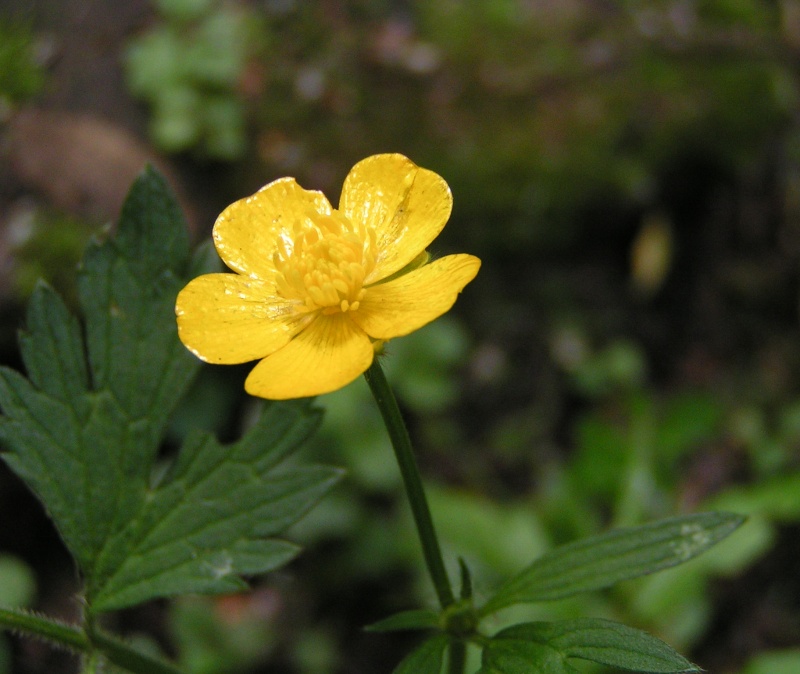
Ranunculales Facts For Kids
Videos & Quizzesincluded
About this topic
Ranunculales is a special group of flowering plants 🌼 that includes many beautiful and interesting types! This order consists of plants like buttercups and poppies. Ranunculales can be found all over the world, from Japan 🇯🇵 to North America 🇺🇸. They’re important because they provide homes for insects 🐞 and food for animals. With over 2,300 species, these plants come in various shapes, sizes, and colors, making our natural world vibrant and exciting! Sometimes, you might find them growing in gardens, meadows, and even on mountain slopes. Isn’t that amazing? 🌿
Explore with ChatDinoKey Points
The taxonomic classification helps us understand living things better!
Plants in Ranunculales share some cool characteristics!
Ranunculales is made up of several important families that each have unique plants!
Some Ranunculales plants are at risk and need protection!
Many Ranunculales plants are useful in the kitchen!
Ranunculales plants have been used in traditional medicine for centuries!
Ranunculales plants have a special place in many cultures!
Ranunculales plants are superheroes in nature!
Ranunculales plants live in various habitats around the world!
📚 Taxonomy Of Ranunculales
The taxonomic classification helps us understand living things better! In the Ranunculales order, the scientific name is "Ranunculales" 📚. It belongs to a larger group called "Angiosperms," which means these plants produce flowers and seeds. Ranunculales has several families, with around 20 recognized ones! Scientists use Latin names, so you might see names like "Ranunculaceae" (buttercup family) and "Papaveraceae" (poppy family) 😃. This classification helps botanists, or plant scientists, study their unique features and relationships to other plants. Exploring taxonomy is like a treasure hunt for understanding the plant kingdom!
Go deeper🌟 Characteristics Of Ranunculales
Plants in Ranunculales share some cool characteristics! 🌟They often have bright, colorful flowers that attract pollinators like bees 🐝 and butterflies 🦋. These flowers typically have many petals and can be single or layered. The leaves can be different shapes, like lacy or round. Many plants in this order grow well in sunny or partially shaded areas and enjoy moist soil. 🌧️ Some even have clever ways to survive tough times, like forming tubers or bulbs. So when you see a bright flower while walking, it might just be a member of the Ranunculales order!
Go deeper🌺 Major Families Within Ranunculales
Ranunculales is made up of several important families that each have unique plants! 🌺The Ranunculaceae family is famous for buttercups and clematis. The Papaveraceae family includes poppies, known for their beautiful red flowers! 🌹Another family is the Berberidaceae, which has plants like barberry. The family of Thalictraceae contains plants like meadow rue, which is sometimes used in gardens. The diverse Ranunculales family tree helps provide a variety of flowers, seeds, and shapes, enriching our environment. Each family is like a fun club with unique members, don’t you think? 👭
Go deeper🌱 Conservation Status Of Ranunculales
Some Ranunculales plants are at risk and need protection! 🌱❗ Over time, their habitats have changed due to human activities like building and farming. The International Union for Conservation of Nature (IUCN) helps track endangered species. Some plants, like certain orchids in the Ranunculales order, are threatened. Many organizations work to restore these plants and their environments through conservation efforts 🌳. Working together to preserve our planet's biodiversity is essential. Every little action helps, from planting native species to educating others about these beautiful plants! Together, we can make a difference! 🌍❤️
Go deeper👩🍳 Culinary Uses Of Ranunculales Plants
Many Ranunculales plants are useful in the kitchen! 👩🍳 Some edible flowers, like nasturtiums, are great for salads. They're bright and add a peppery flavor! 🌿Many people enjoy poppy seeds in baking, like in muffins or breads. The petals of some flowers, such as the borage plant, can be used to flavor drinks or desserts. However, some plants in this order can be poisonous, like buttercups, so it's important to know which ones are safe to eat! Always ask an adult before trying new plants in your food! 🌈
Go deeper🌿 Medicinal Properties Of Ranunculales
Ranunculales plants have been used in traditional medicine for centuries! 🌿✨ Some, like the famous buttercup, have been used to treat coughs and skin issues. They contain natural compounds that can help with inflammation and pain relief. However, it is essential to remember that not all plants are safe—some can even be poisonous! ⚠️ People need to learn about the correct ways to use these plants for health purposes. Always consult a doctor or herbalist before using them! Nature has many secrets, and Ranunculales plants hold some of those amazing healing powers! 🌼
Go deeper🌺 Cultural Significance Of Ranunculales
Ranunculales plants have a special place in many cultures! 🌺Many people use flowers like poppies as symbols of peace and remembrance, especially on Memorial Day in the USA 🇺🇸. In fairy tales and folklore, bright flowers often represent beauty and magic! 🌈Artists and poets have been inspired by these lovely blooms for centuries. Some cultures use flowers for traditional events, like weddings and festivals! 🌹Whether in stories, art, or celebrations, Ranunculales plants connect people to nature and each other. It’s amazing how these plants can brighten our lives in so many ways! 💖
Go deeper🦸♂️ Ecological Importance Of Ranunculales
Ranunculales plants are superheroes in nature! 🦸♂️🐞 They provide food for many animals, such as bees, butterflies, and even birds. These plants are crucial for pollination, helping flowers produce seeds and berries. 🌾They often create habitats where animals can find shelter, and their roots help prevent soil erosion in rivers and streams 🌊. Additionally, Ranunculales plants provide beauty and natural spaces for people to enjoy. By creating a healthy ecosystem, they help make our planet more vibrant and support the circle of life. Isn’t it wonderful how plants can make such a big difference? 🌍❤️
Go deeper🌎 Habitat And Distribution Of Ranunculales
Ranunculales plants live in various habitats around the world! 🌎You can find them in meadows, forests, and even wetlands. 🌾For example, buttercups thrive in sunny fields, while some species of clematis climb trees in woodland areas. They’re found on every continent, making them super diverse! Some, like the California poppy, grow naturally in western North America🇺🇸, while others live on mountain slopes in Asia. Each plant has adapted to its environment, making them uniquely suited for survival! Nature always finds a way to flourish and thrive! 🌈
Go deeper