Rallidae Facts For Kids
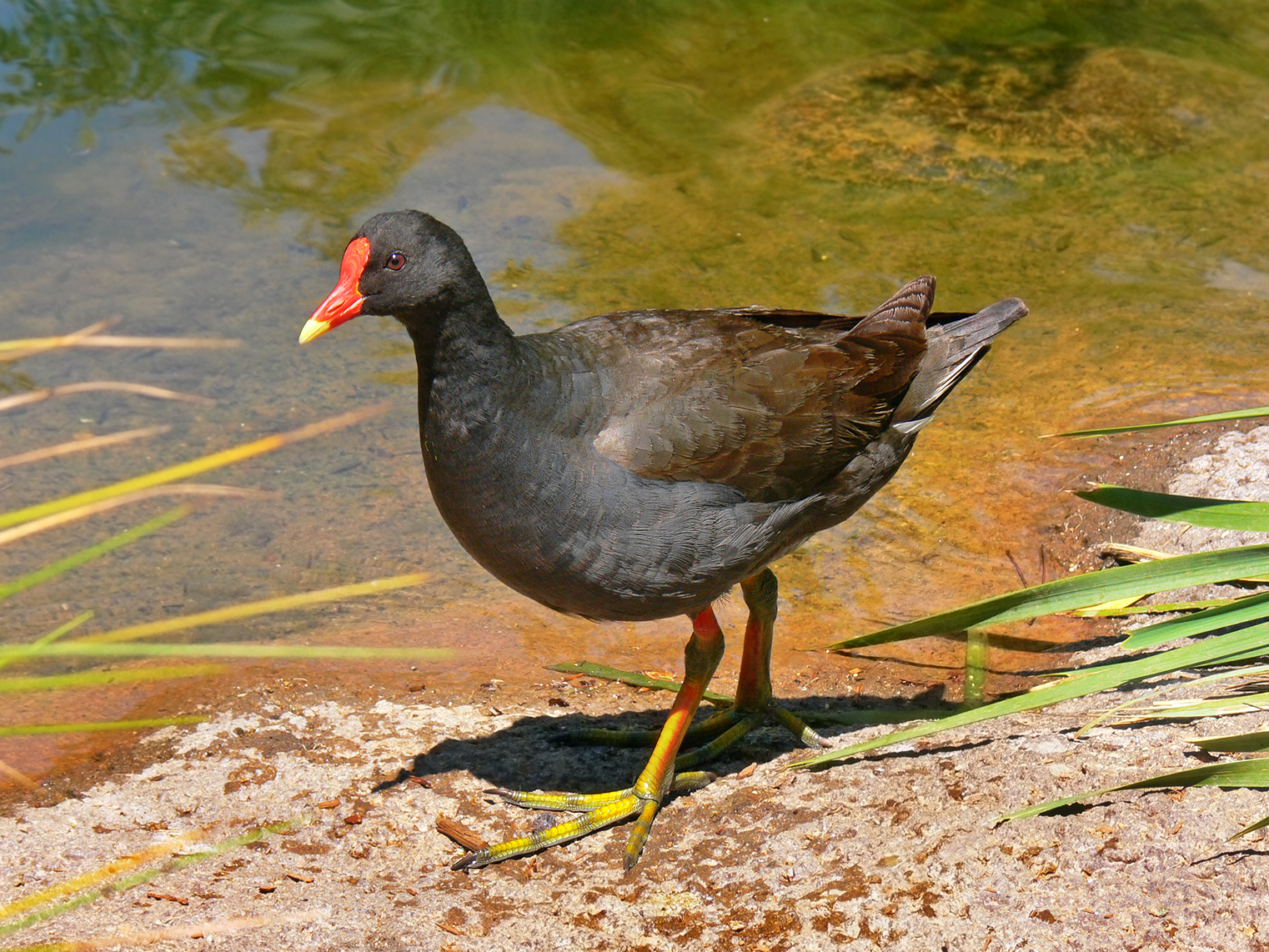
Rallidae, commonly known as rails, are small to medium-sized terrestrial and semi-amphibious birds adapted to live in wetland habitats worldwide.
Select reading age
Rallidae Facts For Kids
Videos & Quizzesincluded
About this topic
Rallidae, known as rails, are fascinating birds! 🐦This family includes small to medium-sized birds found all around the world. They have a long body, short wings, and long toes, helping them walk through marshes and wetlands. Rails live in many habitats, like swamps, grasslands, and even near some lakes. They are shy creatures that often hide in tall grass or reeds. Some famous species include the Virginia Rail and the Purple Gallinule. Rails are interesting to watch because they’re always moving and looking for food! 🌍
Explore with ChatDinoKey Points
There are many amazing species of rails!
Many rail species are doing well, but some are struggling.
Rails are very secretive and mostly active during early mornings or late afternoons.
Rails have inspired stories and folklore!
Rails have varied diets, mainly eating plants, insects, seeds, and small fish!
Rails live in many places around the world!
Rails have some cool physical features!
Scientists are always learning more about rails!
Rails are interesting when it comes to having babies!
Rails belong to the Rallidae family, which is divided into several groups.
Photos of Rallidae

American coot (Fulica americana) skeleton on display at the Museum of Osteology.

South Island takahē (Porphyrio hochstetteri) from behind, showing the short, soft, and fluffy remiges typical of flightless rails

The Guam rail is an example of an island species that has been badly affected by introduced species.

Pieter van den Broecke's 1617 drawing of the red rail of Mauritius, Aphanapteryx bonasia

1888 color lithograph of a rail
🦩 Notable Species
There are many amazing species of rails! 🦩One such species is the Purple Gallinule, known for its beautiful blue and green feathers. Another notable species is the King Rail, which is the largest rail in North America! The Corncrake, a famous rail from Europe, is known for its loud, rasping calls during the summer. 🎵Little Crakes are tiny and elusive with lovely brown patterns. Each species of rail has its own unique habits and calls, making them fun to study and observe in nature's wetlands!
Go deeper🌍 Conservation Status
Many rail species are doing well, but some are struggling. 🌍The International Union for Conservation of Nature (IUCN) tracks their status. For example, the Clapper Rail is listed as Least Concern, meaning it’s okay. However, the California Clapper Rail is critically endangered, facing habitat loss and pollution. 🦤Conservation efforts help protect these special birds by restoring wetlands and creating safe habitats. So, the next time you enjoy nature, remember that we can all help keep rails safe for future generations!
Go deeper🌅 Behavior And Ecology
Rails are very secretive and mostly active during early mornings or late afternoons. 🌅They often stay hidden in dense reeds and grasses to avoid predators. Despite their shyness, rails are known for their distinctive calls! The Common Moorhen makes a loud "krah-krah," while the Virginia Rail has a softer "kek-kek" sound. Rails are great at walking and running, using their long toes for balance. They also often wade in shallow water. These behaviors help them survive, find food, and communicate with each other in their habitats!
Go deeper🌺 Cultural Significance
Rails have inspired stories and folklore! 🌺In some cultures, they symbolize cleverness because of their ability to hide and blend in. Early Native American tribes recognized rails as important to their ecosystem, often observing them as they fished or hunted in marshlands. In literature, rails sometimes appear in poems and tales, representing mystery and nature. Meanwhile, conservation groups highlight rails to promote the importance of protecting wetlands. 🏞️ These birds remind us of nature's beauty and the need to care for our planet!
Go deeper🐟 Diet And Feeding Habits
Rails have varied diets, mainly eating plants, insects, seeds, and small fish! 🐟They use their long bills to probe into mud and water to find tasty treats. The Common Gallinule, for example, loves munching on aquatic plants, while other species also eat snails and worms! 🐌Some rails are even known to eat frogs! Rails are omnivores, which means they eat both plants and animals. Their special feeding habits help keep their marshy homes healthy while making sure they have enough energy to stay active!
Go deeper🌎 Habitat And Distribution
Rails live in many places around the world! 🌎They are found on every continent except Antarctica. You can spot them in marshes, wetlands, and along the edges of lakes and rivers. Some rails prefer tropical areas, while others can live in colder climates. For example, the King Rail is found in North America, while the Eurasian Water Rail can be spotted in Europe and Asia. 🦒Rails like to stay in dense vegetation, which helps them hide from predators and find food. If you go near a wetland, keep an eye out for these secretive birds!
Go deeper🐔 Physical Characteristics
Rails have some cool physical features! Most rails are about the size of a chicken, measuring 6 to 16 inches long. 🐔Many have long, straight bills for probing in mud and grass to find food. Their feathers often camouflage them, blending with their habitats of green and brown! The Virginia Rail has a reddish-brown color, while the Purple Gallinule is colorful, showing blue and green feathers. 🌈Rails also have long toes that help them walk on wet surfaces without sinking! With such unique characteristics, they are truly special birds!
Go deeper📚 Further Research Directions
Scientists are always learning more about rails! 📚Researchers study their behavior, calls, and migration patterns to understand how they adapt to changing environments. They also look into how pollution and habitat loss affect rail populations. By studying rails, scientists can learn ways to protect their habitats better! New technology, like tracking devices, helps researchers follow rails in the wild. 🌿As we learn more, we can help ensure a safe home for these special birds and keep marshes thriving for years to come!
Go deeper🏞️ Reproduction And Life Cycle
Rails are interesting when it comes to having babies! Most species build their nests hidden in tall grasses or reeds near water. 🏞️ The female usually lays between 4 to 12 eggs, which are speckled and brown. Both parents take turns sitting on the eggs to keep them warm! After about 2-4 weeks, the eggs hatch! 🐣Baby rails, or chicks, are very precocious, meaning they can walk and swim soon after being born! They usually stay with their parents for safety until they're ready to take care of themselves, which helps them learn how to find food and avoid danger.
Go deeper🐥 Taxonomy And Classification
Rails belong to the Rallidae family, which is divided into several groups. Scientists think there are about 150 different species of rails! 🐥These species are divided into two main subfamilies: Rallinae and Porzanae. The first subfamily, Rallinae, includes birds like the Common Gallinule. The second, Porzanae, features smaller species like the Spotted Rail. Rails belong to the order Gruiformes, which also includes cranes and coots! 🦩Each species of rail has its own special traits, making them unique members of the bird family!
Go deeper