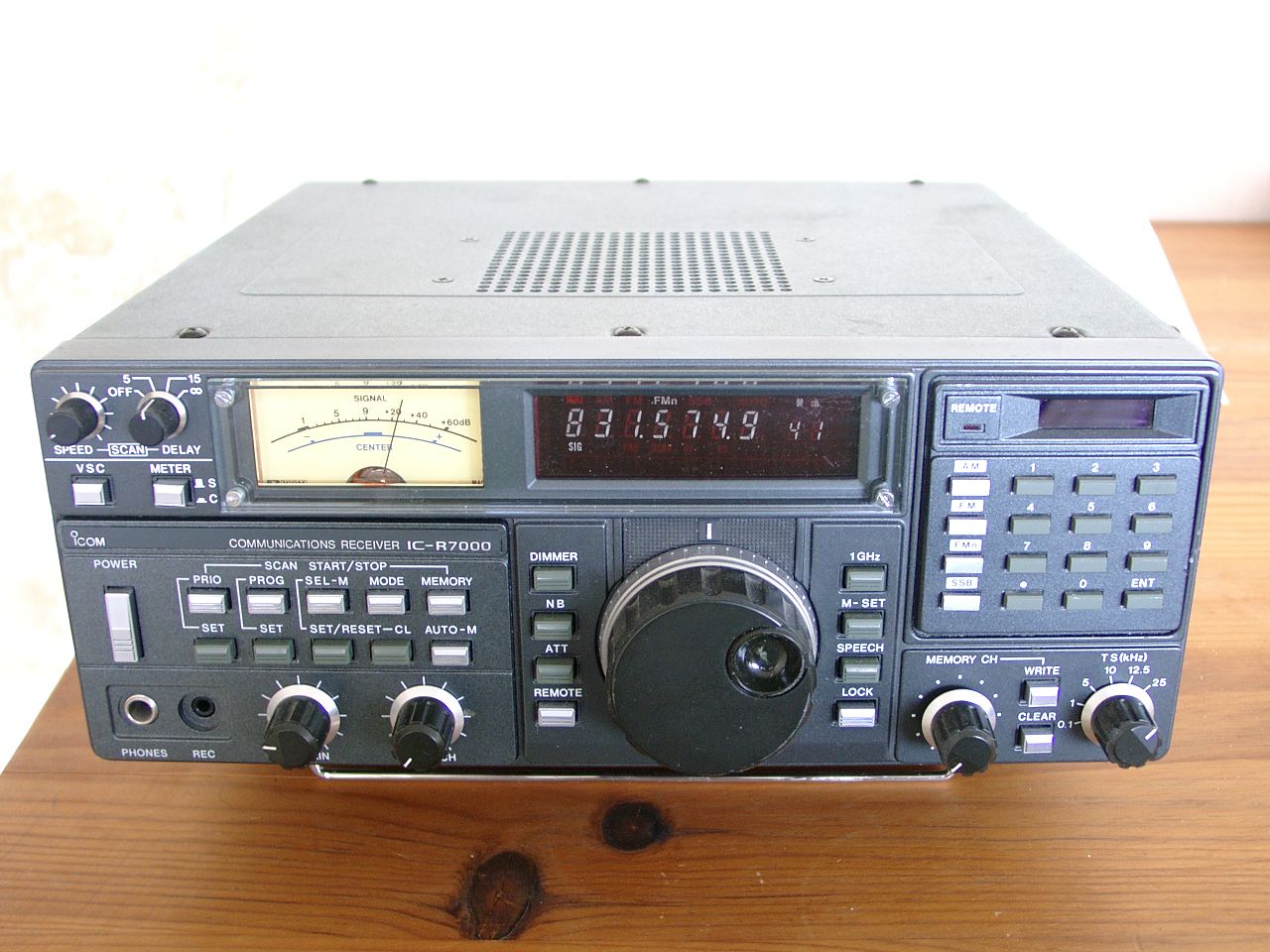
A radio receiver is an electronic device that captures radio waves and converts them into understandable sound and information.
Set reading age
View for Kids
Easy to read and understand
View for Students
Clear, detailed explanations
View for Scholars
Deep dives and big ideas
A radio receiver is a cool gadget that picks up radio waves! 📡Radio waves are like invisible messages that travel through the air. When you tune into a radio station, your radio receiver catches these waves and turns them into sounds, like music or news. It’s like having a connection to faraway places without wires! 🎶Radio receivers come in many forms, from big ones in cars to tiny ones in our phones. Did you know the first radio was invented in the late 1800s? That’s over 120 years ago! 🕰️ Radio lets us share ideas and enjoy entertainment all over the world!
So, how does a radio receiver actually work? 🤔First, it has an antenna that captures radio waves from the air. The waves travel at the speed of light—super fast! ⚡️ After that, the radio uses a tuner to select the right frequency, just like changing channels on TV. Then, it decodes the waves, turning them back into sound. 🎶That’s why you can hear your favorite songs and shows! This entire process happens really quickly, so it feels like magic! ✨Thanks to radio receivers, we can enjoy all sorts of entertainment right in our homes.
There are many different types of radio receivers! 🎧The most common ones are AM (Amplitude Modulation) and FM (Frequency Modulation) radios. AM radios can catch signals over long distances but might sound a little fuzzy. 📻FM radios give a clearer sound but work best at shorter ranges. Some radios can even receive digital signals, which means better sound quality! 📺Other types include satellite radios, which pick up signals from space, and internet radios, which stream music from the web. 🌐Each type of radio has its special purpose, making it fun to explore all the sounds they can bring us!
The story of radio receivers begins in the late 19th century! 🌍Guglielmo Marconi, an Italian inventor, is often credited with creating the first practical radio. In 1895, he sent a message over two kilometers without any wires! 🚀His work led to the development of early radio receivers, which were pretty large and clunky. Over time, inventors like Edwin Armstrong and Lee De Forest improved these devices. By the 1920s, radios became popular in homes, and people could listen to music and news for the first time! 📻Today, radio receivers are small and super powerful, helping us stay connected everywhere!
Radio signals need some special treatment to sound clear and crisp! 🎶This is where signal processing comes in. 📡It helps improve the quality of the sound we hear. One common technique is filtering, which removes extra noise from the signal. 🎤Another technique is amplification, which makes the sound louder. 🎛️ Radio receivers also use something called stereo separation, which makes it sound like the music is coming from different directions! 🎼All these clever tricks help ensure that when you’re listening to your favorite songs, they sound fantastic! 👌
Tuning is a fun part of listening to the radio! 📻Each radio station broadcasts on a specific frequency, which is like a secret number. When you turn the dial or press buttons on your radio receiver, you are selecting these frequencies. 📅For example, a station might broadcast at 100.7 FM. When you set your radio to this number, the receiver “tunes in” to that station and plays music or talk shows. 🎵The exciting part is that with so many stations available, you can discover new songs and interesting stories every time you tune in! 🎤
Radio receivers have many important uses! 🏙️ Besides playing music and news, they help in areas like air traffic control, where they keep airplanes safe by monitoring flight paths! ✈️ Police and firefighters use radios to communicate during emergencies. 🚓🚒 In addition, amateur radio, or ham radio, lets people chat with each other over long distances as a hobby! 🌎Radio receivers are also important in scientific research, helping scientists study space or underwater sounds. There are so many exciting ways radio receivers make our lives better! 🎉
Radio receivers have some important parts that help them work! 🛠️ The most crucial part is the antenna, which catches the radio waves. Then, there’s the tuner, which helps choose the station you want to listen to. 🎧The demodulator helps turn the waves into sound! Inside, you’ll find circuits made of tiny electronic parts, like resistors and capacitors, which help control the flow of electricity. ⚡️ Finally, there’s the speaker that makes the sounds we hear. All these components work together like a team to create music, talk shows, and news right in your living room! 🎤
Radio technology has changed the way we communicate and share information! 📢Before radio, people relied on letters or newspapers for news. With the invention of radio receivers, people could hear news right when it happened! 📰This helped unite communities and provide instant updates during events like wars and emergencies. 🌍Radio also became a powerful tool for entertainment, with shows and music bringing joy to millions. 🎉Today, radio receivers continue to play a big role in our lives, connecting people and spreading information everywhere! Thank you, radio! 📻
What does the future hold for radio receivers? 🤖The technology is always changing! Next-gen radios will likely use better digital signals for even clearer sound. 📡They might also connect to the internet, allowing us to listen to thousands of stations from around the world! 🌍Bluetooth technology is also helping radios become wireless, which means no more tangled wires! 🎵Some researchers are exploring the use of artificial intelligence to create smarter radios that can learn what you like! 📲All these exciting developments mean that radio receivers will continue to evolve, bringing us even more fun and entertainment! 🎶


DIY is a creative community where kids draw, build, explore ideas, and share.
No credit card required