Pula Facts For Kids
Pula is a historic coastal city in Croatia, renowned for its ancient Roman architecture and beautiful seafront.
Select reading age
Pula Facts For Kids
Videos & Quizzesincluded
About this topic
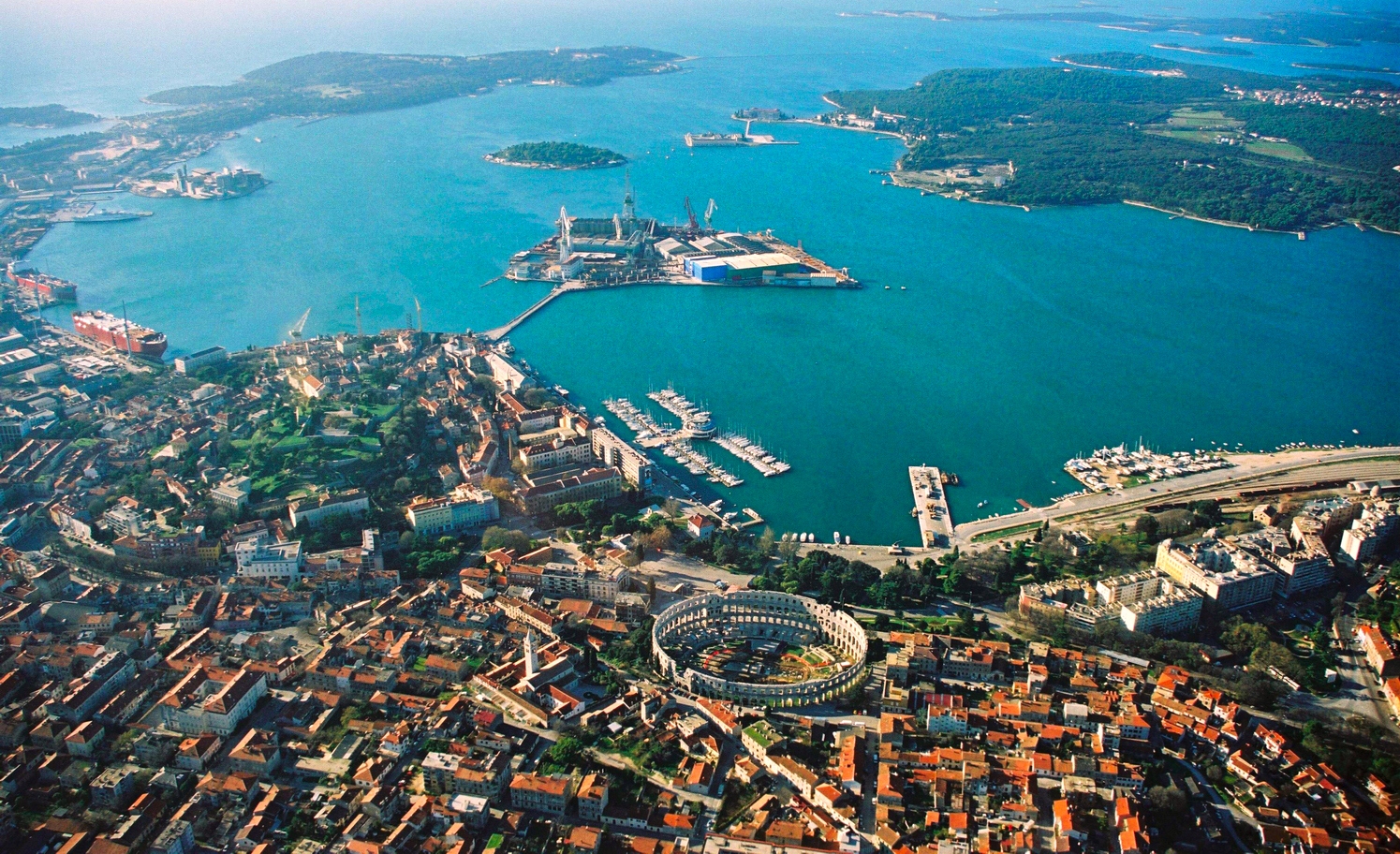
Pula is a city in Croatia, located on the beautiful Istrian Peninsula. 🌍It has about 57,000 people living there. Pula is known for its rich history, stunning architecture, and lovely beaches! The city is surrounded by the Adriatic Sea, making it a fabulous spot for swimming and sunbathing. ☀️ Pula has mix of cultures, which includes influences from the Romans, Venetians, and Austrians. It is also famous for a giant ancient arena called the Pula Arena, which is over 2,000 years old! 🏛️ It’s a great place to learn about history while having fun under the sun!
Explore with ChatDinoQuick Facts
Key Points
Pula is known for its delicious food!
Pula has a long and exciting history!
Pula has many exciting places for visitors to explore!
Pula’s economy is mainly based on tourism, thanks to its beautiful sights and beaches.
Pula loves to celebrate with various festivals and events throughout the year!
Pula is rich in culture and traditions!
Pula is located on the coast of the Adriatic Sea, in the southern part of Croatia.
Pula is home to many schools and educational institutions!
Photos of Pula

Pula Arena in 1728


Chapel of St. Mary Formosa
🍽️ Local Cuisine
Pula is known for its delicious food! 🍽️ Traditional dishes often include fresh seafood like fish and squid, which are caught from the Adriatic Sea. 🍤A popular dish is "Fritaja," an omelet made with local ingredients, such as asparagus or wild herbs. Pula is also famous for its truffles, a type of mushroom that grows underground. 🍄People love tasting local wines and olive oils while enjoying beautiful views. The Pula area has many fresh fruits and vegetables, making the food healthy and tasty. Visiting Pula is an exciting way to explore yummy Croatian flavors!
Go deeper🏺 History Of Pula
Pula has a long and exciting history! 🏺The city dates back to 1,000 BC and was originally founded by the Illyrians, a group of ancient people. The Romans took over Pula in the 1st century BC. They built amazing structures, like the Pula Arena, which could hold over 20,000 spectators! 🎭This arena was used for gladiator games. After the fall of the Roman Empire, the city was ruled by various groups, including the Venetians in the Middle Ages. Pula played an important role in many battles, and today, we can still see its rich past in its old buildings.
Go deeper🌟 Tourist Attractions
Pula has many exciting places for visitors to explore! 🌟The most famous attraction is the Pula Arena, an ancient Roman amphitheater from the 1st century AD, which is one of the best-preserved in the world! 🎟️ There are also beautiful beaches, like Uvala and Verudela, where families can relax and play. Another cool spot is the Temple of Augustus, a temple dedicated to the first Roman emperor. 🏛️ Pula also has a lovely harbor where you can take boat trips to nearby islands. With fun activities and sights, Pula is a perfect destination for travelers!
Go deeper🏖️ Economy And Industry
Pula’s economy is mainly based on tourism, thanks to its beautiful sights and beaches. 🏖️ Many people visit for vacations, which helps local businesses, like hotels and restaurants. Fishing and agriculture are also important to the city. 🚜Pula is known for its olive oil production and wine-making, which are popular in Croatian cuisine. The shipbuilding industry is another significant part of Pula’s economy, as the city has a long history of manufacturing ships. ⚓Many local markets sell fresh produce and handmade products, making Pula a bustling place for shopping and exploration!
Go deeper🎊 Festivals And Events
Pula loves to celebrate with various festivals and events throughout the year! 🎊One of the biggest is the Pula Film Festival, held in July, where films are shown in the Pula Arena under the stars. 🎥Another fun event is the Medieval Festival in August, where you can dress up in costumes and see knights in action! ⚔️ In the summer, many music festivals happen, featuring local and international artists performing live. 🎶These celebrations bring together families and friends, making Pula a lively and joyful place to visit and experience different cultures!
Go deeper🎉 Cultural Significance
Pula is rich in culture and traditions! 🎉The city has many festivals that celebrate its history and local customs. Pula is famous for its ancient Roman architecture, which is recognized all over the world. 🏛️ Some important cultural events include the Pula Film Festival, the biggest film festival in Croatia, held every summer at the Pula Arena. 📽️ The city also has a unique blend of Italian, Croatian, and Slavic cultures. Traditional music, dance, and crafts reflect this mix. Pula's cultural significance makes it a vibrant place where people come together to celebrate life!
Go deeper🌊 Geography And Climate
Pula is located on the coast of the Adriatic Sea, in the southern part of Croatia. 🌊It has a Mediterranean climate, which means that the summers are warm and sunny, while winters can be mild and rainy. 🌞In summer, temperatures can reach up to 30°C (86°F) or more! The city is surrounded by beautiful hills and forests, giving it a lovely natural landscape. Pula also has many small islands nearby, like Brijuni, where people go for picnics and adventure! 🌳With its perfect location, Pula is a great place to explore nature and enjoy outdoor activities.
Go deeper🏫 Education And Institutions
Pula is home to many schools and educational institutions! 🏫The city offers primary and secondary schools, where students learn subjects like math, science, and art. There is also a higher education institution, the University of Pula, which has programs in social sciences, humanities, and more! 🎓Many kids in Pula enjoy learning about history, as they get to explore ancient sites! The city also offers various sports clubs and cultural workshops, allowing children to learn new skills outside school. Pula encourages education and creativity, making it a wonderful place for young learners! 📚
Go deeper