Public Domain Facts For Kids
The public domain consists of all creative works that are not protected by copyright, allowing anyone to use, share, and build upon them freely.
Select reading age

Public Domain Facts For Kids
Videos & Quizzesincluded
About this topic
The public domain is a special place where creative works, like books, music, and art, belong to everyone! 🌍✨ This means that anyone can use them without asking for permission or paying money. Imagine sharing your favorite story or song with your friends without any rules! The public domain helps to share ideas and make culture richer for all of us. Think of it as a giant library filled with amazing things that everyone can explore. 📚🎶 The more we share, the more fun we have together!
Explore with ChatDinoKey Points
The idea of public domain started a long time ago, around the early 1700s!
Although the public domain is fantastic, it faces some challenges.
Public domain is a term that means creative works can be enjoyed by everyone because they are not protected by copyright.
Copyright law helps protect the rights of creators for a certain time.
In today’s digital world, public domain works are more accessible than ever!
So, how do works get to the public domain?
Many famous works are now in the public domain, which means everyone can enjoy them!
Public domain works offer many benefits!
Many different types of creative works can be in the public domain!
Public domain ideas can be found all around the world!
Photos of Public Domain

An English logo of the 2023/2024 Public Domain Day

Visual created for Public Domain Day. Features Leonardo da Vinci's Mona Lisa, as it is famously part of the public domain
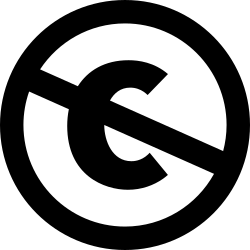
Creative Commons' Public Domain Mark
📜 History Of Public Domain
The idea of public domain started a long time ago, around the early 1700s! 📜🏰 In some countries, the law began to change so that after a set time, creative works would belong to the public. One important person in public domain history was Thomas Jefferson, one of the Founding Fathers of America! 🇺🇸✍️ He believed in sharing knowledge and culture. Over time, many famous works became part of the public domain, allowing everyone to enjoy them forever! 🎉
Go deeper⚔️ Challenges To Public Domain
Although the public domain is fantastic, it faces some challenges. ⚔️🥺 Some people think that works should be protected for a longer time to benefit creators and their families. Others believe that keeping works in the public domain helps creativity flourish. It’s a bit like a tug-of-war between the value of sharing and protecting ideas! 🤝Finding the right balance is essential so that everyone can enjoy and learn from the works of others while respecting the creators.
Go deeper🛡️ Definition Of Public Domain
Public domain is a term that means creative works can be enjoyed by everyone because they are not protected by copyright. 🛡️ Copyright is a law that gives creators rights over their work for a certain time. When a work is in the public domain, it means anyone can use it freely. It’s like finding a treasure chest filled with goodies that everyone can take from! 💎❤️ This includes books, music, and artworks that are free for sharing and using.
Go deeper📚 Public Domain And Copyright Law
Copyright law helps protect the rights of creators for a certain time. 📚🔐 It means if someone creates something original, they get to decide how it's used and who can make money from it. But once the copyright time period ends, the work becomes part of the public domain! ⚖️ This process allows new artists to build on old ideas and encourages creativity. It’s like walking on a path created by others, making it easier to explore new areas and create something fresh and exciting! 🌈
Go deeper💻 Public Domain In The Digital Age
In today’s digital world, public domain works are more accessible than ever! 💻✨ Websites, like Project Gutenberg, have thousands of free eBooks that anyone can read and share. Digital libraries make it easy for young explorers to discover stories, old videos, and new songs! 🎶📽️ Not only that, but the Internet also allows people to remix, adapt, and reinterpret classic works, encouraging creativity and collaboration around the world! 🌐🖌️
Go deeper🤔 How Works Enter The Public Domain
So, how do works get to the public domain? 🤔It usually happens for two main reasons. First, when someone creates a work, copyright lasts for a specific time – often 70 years after the creator’s passing. ⏳After that time, the work’s copyright expires, and it enters the public domain. Second, sometimes creators choose to give up their rights and allow everyone to use their work. 😄This means sharing their creativity without any restrictions, which makes the world of art and stories even bigger!
Go deeper🎉 Notable Works In The Public Domain
Many famous works are now in the public domain, which means everyone can enjoy them! 🎉📚 Classics like "The Adventures of Tom Sawyer" by Mark Twain, "The Wizard of Oz" by L. Frank Baum, and "The Tale of Peter Rabbit" by Beatrix Potter are among cherished stories available to all! 🐰📖 Even beautiful pieces of art, like "The Starry Night" by Vincent van Gogh, are now part of the public domain. This means we can all explore these amazing creations and let our imaginations run wild! 🌌💫
Go deeper🙌 Uses And Benefits Of Public Domain
Public domain works offer many benefits! 🙌❤️ They can be used for teaching, creative projects, and research. Schools can use classic literature or art to inspire young minds. 🎓✨ Artists can remix songs or create new stories based on beloved characters. These works let everyone learn from each other and enjoy cultural treasures from the past! 📖🔍 By using public domain works, we can build connections and create new memories, one story at a time!
Go deeper📖 Types Of Works In The Public Domain
Many different types of creative works can be in the public domain! 📖🎨 These include classic books, famous songs, paintings, and even movies! For example, the book "Pride and Prejudice" by Jane Austen, published in 1813, is in the public domain! 🎥✨ Some songs like "Happy Birthday" can also be freely sung by anyone! 🥳Having these works in public domain allows us to share and reimagine creativity together. Think of it like having a big art supply box that everyone can use!
Go deeper🌎 Global Perspectives On Public Domain
Public domain ideas can be found all around the world! 🌎🌍 Different countries have various laws about how and when works enter the public domain. For example, in France and the European Union, works usually enter the public domain 70 years after the creator dies. Meanwhile, in Canada, the law is the same. However, countries like the U.S. have their own rules! Understanding these differences helps us appreciate art and creativity from every corner of the globe! 🌏🤗
Go deeper