Prunus Laurocerasus Facts For Kids
Prunus laurocerasus, or cherry laurel, is an evergreen shrub native to the Black Sea region, known for its shiny leaves and white flowers that can produce toxic berries.
Select reading age
Prunus Laurocerasus Facts For Kids
Videos & Quizzesincluded
About this topic
Prunus laurocerasus, also called cherry laurel or English laurel, is a special kind of cherry plant! 🌳It’s an evergreen, which means it stays green all year round. This plant is like a superhero for gardens, providing yummy berries and beautiful, shiny leaves. 🌿It grows tall—up to 16 feet (5 meters)! This amazing plant loves to thrive in warm places, especially around the Black Sea in countries like Turkey and Bulgaria. 🌍It’s perfect for making gardens look pretty while also attracting birds! 🐦Let’s discover more about this fantastic plant!
Explore with ChatDinoKey Points
Cherry laurel is part of a big family of plants known as Prunus!
Like all plants, cherry laurel can sometimes get pests and diseases.
In landscaping, cherry laurel is a favorite among gardeners!
Growing cherry laurel is easy, and it loves sunny places!
In many cultures, laurel plants are symbols of honor and victory!
Cherry laurel loves warm weather!
Cherry laurel has shiny, dark green leaves shaped like ovals or spoons!
Cherry laurel has berries, but you should be careful!
Prunus laurocerasus belongs to the Rosaceae family, which includes other yummy fruits like apples and strawberries!
Cherry laurel is beautiful but can be dangerous if eaten!
Photos of Prunus Laurocerasus

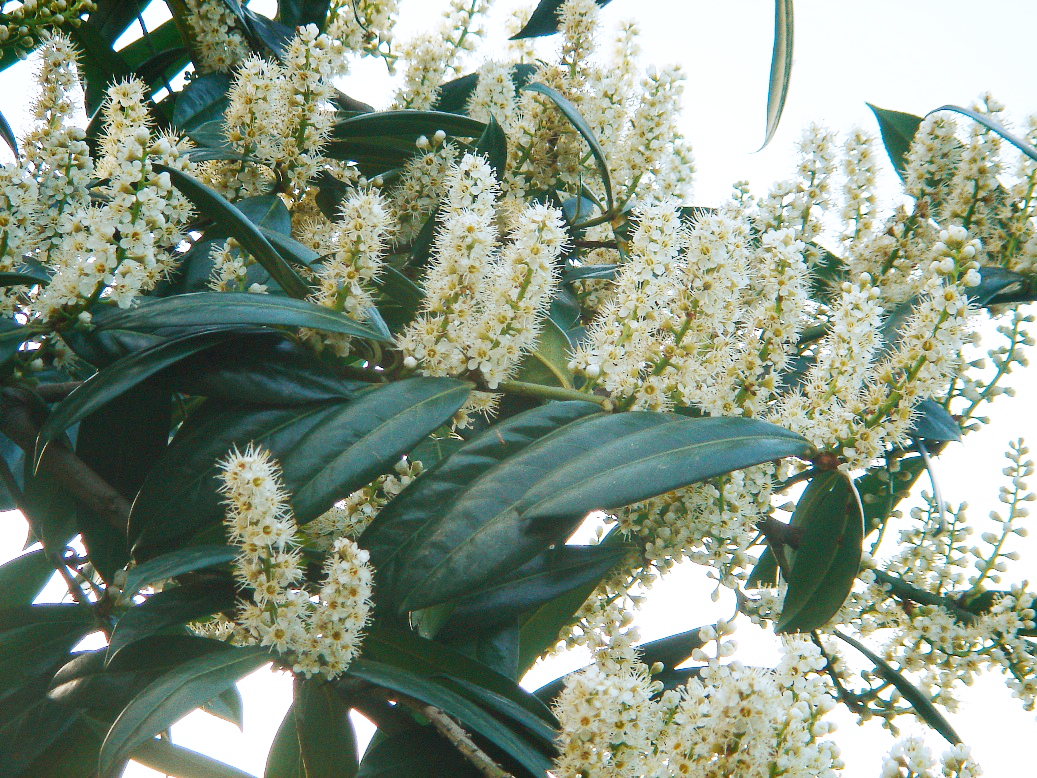
Flowers - Prunus laurocerasus

Leaves - Prunus laurocerasus

Prunus laurocerasus fruits.
🌳 Related Species
Cherry laurel is part of a big family of plants known as Prunus! 🌳Other famous members include cherries (like sweet cherries 🍒), plums, and apricots! 🍑These plants all share some similarities, like having juicy fruits and pretty flowers. One of its closest relatives is the common cherry tree (Prunus avium), known for its delicious fruit! 🍭There are also many other varieties of laurels, such as bay laurel (Laurus nobilis), which is used for cooking! 🥘Exploring these related species shows us how diverse and amazing nature can be! 🌿
Go deeper🦗 Pests And Diseases
Like all plants, cherry laurel can sometimes get pests and diseases. 🦗Common pests include aphids, which are tiny bugs that suck plant juices. 🥤You might notice sticky leaves if they’re around! Another pest to watch for is the spider mite, which can make leaves look dusty. 🕷️ To keep your plant happy, check it often and wash the leaves if you see pests. 🌊If it gets sick, you can treat it with safe sprays or call an expert gardener for help! Taking care of your cherry laurel will keep it glowing! 🌟
Go deeper🌼 Uses In Landscaping
In landscaping, cherry laurel is a favorite among gardeners! 🌼🌳 People use it to create beautiful hedges. A hedge is like a garden wall made of plants! 🌿Because it grows tall and dense, it helps block wind and gives privacy. Cherry laurel can make your garden look lush and green all year round! 🌈Some people also plant it to attract birds and butterflies to their gardens! 🦋You might see butterflies coming to visit the pretty flowers as well! With its bright foliage, it’s like adding nature’s very own decoration!
Go deeper☀️ Cultivation And Care
Growing cherry laurel is easy, and it loves sunny places! ☀️ Plant it in well-draining soil and water it regularly, especially during hot weather. 🌧️ It can grow fast, so you might need to trim it to keep it looking tidy! ✂️ Most gardeners prune it in the spring, after the flowers bloom. It doesn't need special fertilizers but loves compost! 🌱A cherry laurel can survive in many soil types, but it prefers slightly acidic soil. If you take good care of it, your garden will have a stunning, evergreen beauty!
Go deeper🥇 Cultural Significance
In many cultures, laurel plants are symbols of honor and victory! 🥇Ancient Romans and Greeks used laurel leaves to make crowns for heroes and winners. They believed it brought good luck and protection! 🌿In modern times, cherry laurel is often used in home landscaping because it looks beautiful and offers privacy. People also love using it to create lovely gardens, making communities feel welcoming! 🎉So next time you see cherry laurel, remember it’s not just a plant; it’s a part of history and a favorite among gardeners!
Go deeper🌞 Habitat And Distribution
Cherry laurel loves warm weather! 🌞It grows in places around the Black Sea, like Turkey, Bulgaria, and Albania. 🌎You can also find it in parts of southeastern Europe and northern Iran. This plant enjoys being near coastlines and can be found in forests or gardens! 🌲In some countries, like the United States, people plant cherry laurel in their gardens because it provides great cover and looks nice. 🌻You might also see it planted in parks! It thrives in different soil types, from sandy to clay, making it special wherever it grows!
Go deeper🍽️ Botanical Characteristics
Cherry laurel has shiny, dark green leaves shaped like ovals or spoons! 🍽️ The leaves are leathery and can grow up to 5 inches long. 🌱In spring, white flowers appear in clusters, and they smell very nice! 🌺After flowering, small purple berries grow, making this plant a treat for birds. 🍇The plant can live for many years, sometimes even 100! It’s a true survivor! 🌟Cherry laurel is also an evergreen, which means it doesn’t lose its leaves in winter, keeping your garden looking bright and happy!
Go deeper🍇 Culinary And Medicinal Uses
Cherry laurel has berries, but you should be careful! 🍇While birds love them, they can be harmful to humans if eaten in large amounts! The leaves and berries contain substances that can cause stomach upset. 🚫However, some people have used the leaves in traditional medicine for treating colds and coughs! 🌬️ Always remember not to eat any part of this plant without asking an adult first! It's best to admire cherry laurel's beauty rather than eat it! Most people grow it for looks rather than food. 🌟
Go deeper🍏 Taxonomy And Classification
Prunus laurocerasus belongs to the Rosaceae family, which includes other yummy fruits like apples and strawberries! 🍏🍓 Scientists have given it a special name to help us remember it. "Prunus" means "plum" in Latin, and "laurocerasus" comes from "laurel," a leafy tree, and "cerasus," meaning cherry. 🥳So, cherry laurel is in the cherry family! It’s closely related to other plants like cherry trees and plums. 🌸When scientists study plants, they classify them in groups based on their features. That’s how we know cherry laurel is special!
Go deeper🚷 Toxicity And Safety Concerns
Cherry laurel is beautiful but can be dangerous if eaten! 🚷Its leaves and berries contain cyanogenic compounds, which can make you feel sick. Adults should keep pets and small kids away from it! 🐶👶 If you accidentally eat a berry or leaf, tell an adult right away! Remember, if you're looking at cool plants, it’s always a good idea to ask first! 🌍Cherry laurel is great for gardens, but we have to be smart and safe about it! That way, we can enjoy nature and stay healthy at the same time! 😊
Go deeper