Potala Palace Facts For Kids
The Potala Palace is a historic dzong fortress located in Lhasa, Tibet, known for its stunning architecture and deep cultural and spiritual significance.
Select reading age
Potala Palace Facts For Kids
Videos & Quizzesincluded
About this topic
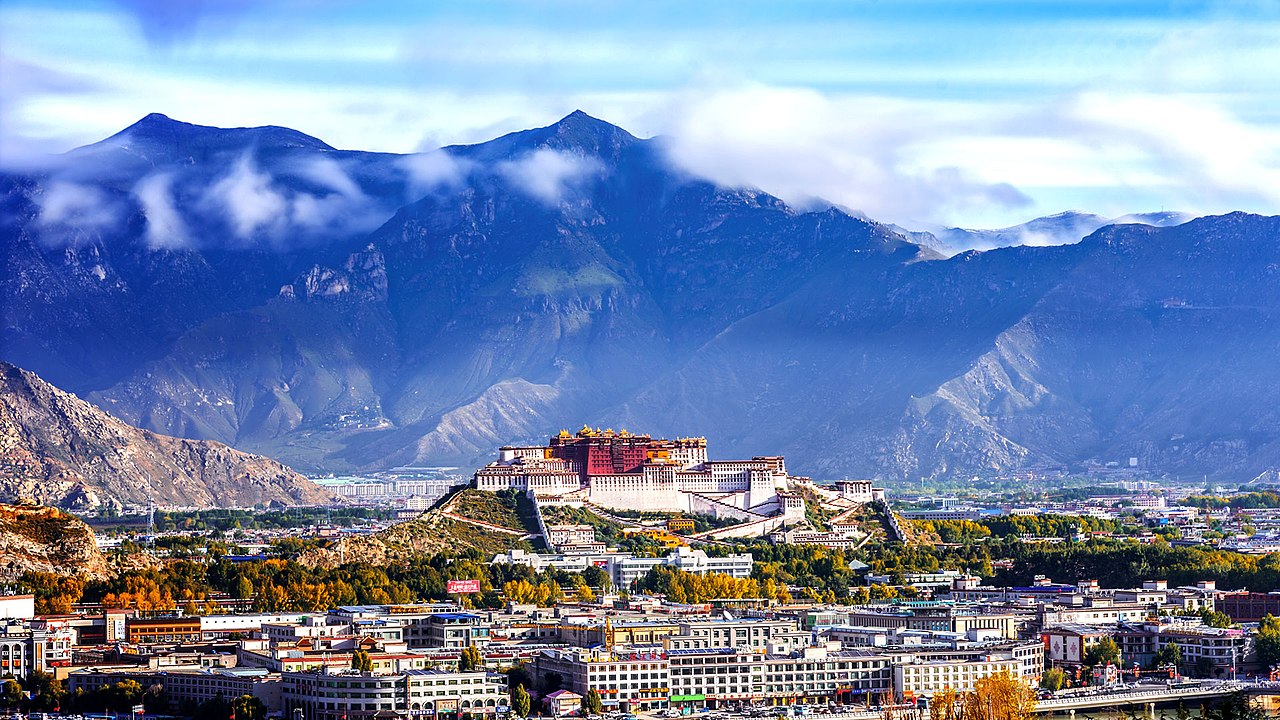
The Potala Palace is a huge and beautiful building in Lhasa, the capital of Tibet, which is a region in China. 🐉It sits on a hill called Marpori and is a very important cultural landmark. Built over 1,300 years ago, it stands about 3,700 meters (12,139 feet) above sea level! This makes it one of the highest palaces in the world. 🌄The palace was once the home of the Dalai Lamas, the spiritual leaders of Tibetan Buddhism. Today, it’s a UNESCO World Heritage site, meaning it's protected because of its amazing history and beauty! 🏰
Explore with ChatDinoKey Points
Throughout history, many important figures have been linked to Potala Palace!
Potala Palace is a home for amazing art!
Potala Palace isn't just a place of history—it is filled with legends!
In Potala Palace, religion plays a big role!
To keep Potala Palace beautiful and safe, many efforts are made!
Potala Palace is very important for Tibetan culture.
Potala Palace is an architectural wonder!
The Potala Palace’s history begins in the 7th century.
Today, Potala Palace attracts many visitors from all over the world!
Potala Palace is a symbol of Tibetan identity and pride!
Photos of Potala Palace

Potala Palace — photo 1

Potala Palace — photo 2

Potala Palace — photo 3

The Potala Palace in 2008

View showing recent Western Gate shops, highway, 2015
Potala Palace — photo 6

Potala Palace — photo 7

Potala Palace — photo 8

Potala Palace in Lhasa
👑 Notable Figures
Throughout history, many important figures have been linked to Potala Palace! 👑The most famous is the Dalai Lama, who served as both spiritual and political leader of Tibet. The Fifth Dalai Lama, Lobsang Gyatso, played a crucial role in expanding the palace in the 17th century! Other important figures include Tsongkhapa, the founder of the Gelug school of Tibetan Buddhism, and King Songtsen Gampo, who established Buddhism in Tibet. These leaders helped shape Tibetan culture and the significance of Potala Palace! 💡
Go deeper🎨 Art And Artifacts
Potala Palace is a home for amazing art! 🎨Inside, you can find ancient murals and sculptures that tell stories of Tibetan Buddhism. Statues of different Buddhas and holy figures are everywhere! 🕊️ The palace also has unique artifacts such as thangka paintings, which are colorful scrolls. Many of these artworks date back hundreds of years! The rich colors and details make them very special. Young artists can learn a lot from the palace’s history and creativity. It inspires many people today! 🌟
Go deeper🌌 Legends And Myths
Potala Palace isn't just a place of history—it is filled with legends! 🌌One popular tale is the story of its construction. According to legend, it was built overnight by the mythical figure, the Bodhisattva Avalokiteshvara! 🌠Another legend speaks of hidden treasures buried within its walls that hold secrets of the past. Many locals believe that the palace is a holy place where wishes can come true. These stories create a magical atmosphere and connect the palace to Tibetan folklore! 📖
Go deeper🙏 Religious Practices
In Potala Palace, religion plays a big role! 🙏The palace is filled with temples and chapels where monks and visitors pray. The Red Palace is famous for its meditation rooms and sacred shrines. Each year, special ceremonies take place here, including the Monlam Prayer Festival. 🕯️ During these events, people chant and burn incense to honor the Buddha. The palace also has many statues of important figures, like Padmasambhava and Avalokiteshvara. ✨For Tibetans, visiting Potala Palace is a deep spiritual journey that connects them to their beliefs and history.
Go deeper🛡️ Preservation Efforts
To keep Potala Palace beautiful and safe, many efforts are made! 🛡️ The palace is monitored carefully to protect it from weather and natural disasters. Since it is made of traditional materials, special techniques are used for repairs. 🌧️ Scientists and experts study how to preserve its structure for future generations. The Chinese government and UNESCO work together in these efforts. They also encourage education about the palace, so everyone can appreciate its beauty and history! 🌱
Go deeper🎉 Cultural Significance
Potala Palace is very important for Tibetan culture. 🎉It is a center for Tibetan Buddhism, showcasing its rich traditions and history. People visit the palace to learn about Tibetan customs, such as prayer flags and colorful ceremonies. The palace holds many important relics and artifacts, making it a treasure trove of Tibetan history. 🪅Pilgrims visit every year to offer prayers and show respect. The Potala Palace is not just a building; it represents the identity and spirit of the Tibetan people! ❤️
Go deeper🏯 Architecture And Design
Potala Palace is an architectural wonder! 🏯It has over 1,000 rooms and is divided into two main parts: the Red Palace and the White Palace. 🌈The Red Palace is for religious purposes, while the White Palace is where the Dalai Lamas lived and worked. The palace is built with thick walls and consists of beautiful colorful decorations and windows. Its style combines Tibetan, Indian, and Chinese influences! The walls are made from rammed earth, stones, and wood. The building’s steep staircases and terraces add to its striking look. It looks like it’s touching the sky! 🌟
Go deeper📜 History Of Potala Palace
The Potala Palace’s history begins in the 7th century. 📜It was built by King Songtsen Gampo, who wanted to unite Tibet. Over the years, the palace grew in size and importance. The famous Potala we see today was completed in 1694 by the Fifth Dalai Lama. He wanted a grand home for the Dalai Lamas and to show off the power of Tibet. 🏔️ Many renovations occurred after that, especially in the 18th century. The palace has witnessed many events, including the Great Buddhist Debate in 792 AD! Modern times brought changes too, making it a popular place for visitors. 🐾
Go deeper🌏 Tourism And Accessibility
Today, Potala Palace attracts many visitors from all over the world! 🌏People usually come to explore its stunning beauty and learn about Tibetan culture. However, because it’s a treasure, visitors must purchase tickets and follow special rules to protect it. There are guided tours available to help everyone understand its history better. 🚶♂️ It is open to the public, but because it’s so high up, visitors should be ready for some altitude! Remember to stay hydrated and take small steps if you go!
Go deeper🐉 Impact On Tibetan Identity
Potala Palace is a symbol of Tibetan identity and pride! 🐉For many Tibetans, it represents their culture, religion, and history. When they visit, they feel connected to their ancestors and their homeland. The palace has witnessed struggles and triumphs throughout Tibetan history. 🌈It reminds people of their resilience and unity. Today, it stands as a beacon of hope and a reminder to preserve Tibetan traditions. The Potala Palace is more than just a palace; it’s a powerful part of who Tibetans are! 🌏❤️
Go deeper