Pomarine Skua Facts For Kids
The Pomarine Skua is a fascinating seabird known for its size, distinctive behavior, and migratory patterns, belonging to the skua family Stercorariidae.
Select reading age
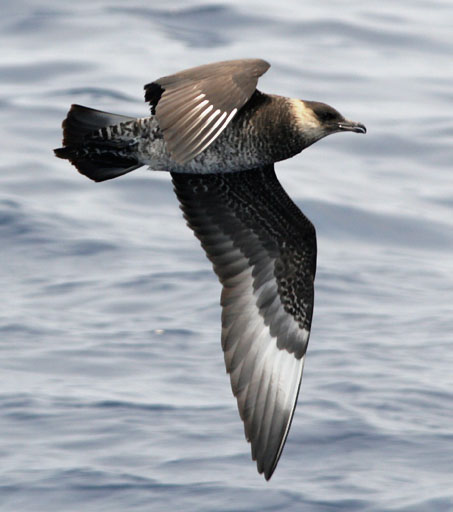
Pomarine Skua Facts For Kids
Videos & Quizzesincluded
About this topic
The Pomarine Skua is a large, powerful seabird! 🐦Also known as the pomarine jaeger or pomatorhine skua, it belongs to the skua family, Stercorariidae. These birds are famous for being great hunters and stealing food from other birds! Pomarine Skuas are known for their steady, strong flight, making them look impressive while soaring over the ocean. 🌊They live in colder regions, spending time in both the Arctic and Antarctic. With their fun and energetic nature, these birds are an exciting part of our planet’s wildlife!
Explore with ChatDinoKey Points
Did you know that Pomarine Skuas can weigh up to 2.5 kg (5.5 lbs)?
Pomarine Skuas have incredible migration patterns!
The Pomarine Skua is currently classified as "Least Concern" by the IUCN.
Pomarine Skuas breed in cold, tundra regions of the Arctic!
In some cultures, Pomarine Skuas are seen as symbols of strength and endurance.
Pomarine Skuas can be found in various places around the world!
Pomarine Skuas are quite large, measuring about 18 to 22 inches long!
Pomarine Skuas are known for their bold and assertive behavior!
The Pomarine Skua falls under the family Stercorariidae along with other skuas and jaegers.
Photos of Pomarine Skua

This is a large skua at about 45cm length, excluding the central tail feathers of the summer adult, which can add another 10cm or so.

Stercorarius pomarinus - MHNT
🦅 Interesting Facts
Did you know that Pomarine Skuas can weigh up to 2.5 kg (5.5 lbs)? 🦅They're quite heavy for birds! Their long, pointed tails help them maneuver during flight, making them incredible aerial acrobats. Pomarine Skuas can also dive into the water at speeds up to 56 km/h (34.8 mph) to catch fish! 🍽️ Another cool fact is that they can spend weeks flying over oceans without stopping! 🌍These amazing birds are truly the superheroes of the seabird world!
Go deeper🦅 Migration Patterns
Pomarine Skuas have incredible migration patterns! 🦅In the summer, they breed in the Arctic from places like Canada and Greenland. As the temperature drops, they fly south to warmer waters during winter. They can travel thousands of miles to go to places like southern Africa, South America, or even Australia! 🌍During migration, they often fly in a straight line, sometimes soaring high in the sky to save energy. Their ability to navigate long distances helps them find food and survive in different environments!
Go deeper🌍 Conservation Status
The Pomarine Skua is currently classified as "Least Concern" by the IUCN. 🌍This means they are not facing an immediate threat of extinction. However, like many birds, they can be affected by changes in their environment due to climate change, pollution, and habitat loss. Protecting their natural habitats and food sources is essential to ensure these magnificent birds continue to thrive. Organizations around the world work hard to monitor their populations and keep them safe! 🌿
Go deeper🏔️ Breeding And Nesting
Pomarine Skuas breed in cold, tundra regions of the Arctic! 🏔️ Breeding season occurs during the summer months when the land is free from snow. They build nests on the ground using grass and other plants to protect their eggs. A female usually lays 1 to 3 eggs, and both parents take turns incubating them. 🥚After about 28 days, the eggs hatch, and the parents feed the chicks until they are ready to fly! Young Pomarine Skuas learn how to hunt by watching their parents. They become independent and leave the nest within a few weeks!
Go deeper🦅 Cultural Significance
In some cultures, Pomarine Skuas are seen as symbols of strength and endurance. 🦅They are also featured in stories told by indigenous communities in the Arctic. Some fishermen respect these birds for their hunting skills, often valuing their presence as a sign of a healthy marine ecosystem. The Pomarine Skua inspires people to learn about marine life and the importance of conserving our oceans and wildlife! 🌊These impressive birds remind us of the beauty and complexity of nature.
Go deeper🌍 Habitat And Distribution
Pomarine Skuas can be found in various places around the world! 🌍They mostly live in the Arctic regions during the summer, where they can feed on fish and other sea creatures. In the winter, they migrate south into the Southern Hemisphere, reaching places like Antarctica! 🐧During migration, they can be spotted over oceans such as the North Atlantic and the North Pacific. These birds prefer open seas and coastal areas to find food, making them true masters of the ocean! 🌊
Go deeper🦅 Physical Characteristics
Pomarine Skuas are quite large, measuring about 18 to 22 inches long! 🦅They have dark brown feathers on their wings and back. Their bellies are lighter, often with speckled patterns. What makes them special is their unique tail—when in flight, it shows long, pointed feathers that look like a forked tail! These birds also have strong, sharp beaks, perfect for catching fish and stealing from others. 🐟Males and females look similar, but males tend to be a bit bigger. It's like having their own superhero cape when they fly!
Go deeper🦅 Behavior And Feeding Habits
Pomarine Skuas are known for their bold and assertive behavior! 🦅They often chase and harass smaller birds like gulls to steal their food—this is called “kleptoparasitism.” Their diet mainly consists of fish, seabirds, and sometimes even carrion (dead animals). They have an incredible ability to spot prey from the air! When hunting, they dive down into the water to catch fish with their sharp beaks. 🍽️ They are strong fliers, using wind currents to help them move quickly while searching for meals.
Go deeper🐦 Taxonomy And Classification
The Pomarine Skua falls under the family Stercorariidae along with other skuas and jaegers. 🐦They belong to the species name Stercorarius pomarinus. This bird is closely related to other sea birds like the Parasitic Jaeger and Long-tailed Jaeger. Interestingly, all these birds are known for their bold behavior. The name "jaeger" comes from the German word for "hunter" because they are skilled at chasing away other seabirds to steal their food. 🦅The Pomarine Skua is a unique and fascinating species within this amazing group of birds!
Go deeper