Polypropylene Facts For Kids
Polypropylene is a widely used thermoplastic polymer known for its versatility, resistance to moisture and chemicals, and recyclable nature, making it ideal for numerous applications.
Select reading age
Polypropylene Facts For Kids
Videos & Quizzesincluded
About this topic
Polypropylene is a special type of plastic known as a polymer. 🌍It’s a big name for a simple material that is super useful! Scientists first made polypropylene in 1954. It’s strong, light, and can be easily shaped into different things. You can find it in items like containers, clothes, and even car parts! 🚗It’s great because it can handle heat and doesn’t get damaged easily by chemicals. That's why it’s one of the most popular plastics in the world, helping to make our lives easier every day!
Explore with ChatDinoKey Points
Polypropylene is worth a lot in the economy because it’s used everywhere!
Polypropylene was invented by a famous chemist named Giulio Natta in Italy.
Polypropylene is used in many everyday items!
Polypropylene is different from other types of plastics like polyethylene and PVC.
Polypropylene is made from tiny building blocks called monomers.
While polypropylene is super useful, it’s important to think about the environment, too.
Scientists are always looking for ways to make polypropylene even better!
To make polypropylene, the first step is gathering the propylene gas.
Photos of Polypropylene

Structure of Polypropylene (PP)

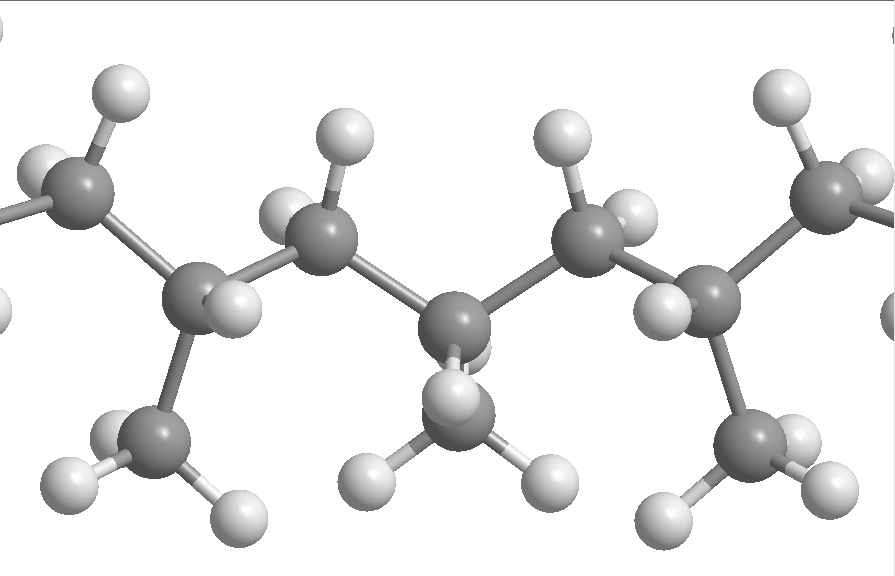
Polypropylene syndiotactic

Micrograph of polypropylene

Effect of UV exposure on polypropylene rope

A ball-and-stick model of syndiotactic polypropylene

Polypropylene lid of a Tic Tac box, with a living hinge and the resin identification code under its flap

A chair with a polypropylene seat

Polypropylene items for laboratory use. Blue and orange closures are not made of polypropylene.

Various polypropylene yarns and textiles
💰 Economic Significance
Polypropylene is worth a lot in the economy because it’s used everywhere! 💰Factories around the world make billions of dollars creating products from polypropylene. In the United States alone, the industry creates thousands of jobs! 🏭It helps many companies make affordable items that people need. Because it's so popular, businesses keep looking for new ways to use it, which helps the economy grow. That's why it's cool to learn about this amazing material!
Go deeper📅 History Of Polypropylene
Polypropylene was invented by a famous chemist named Giulio Natta in Italy. 🇮🇹 He discovered how to make it while working in the 1950s. The first factory making polypropylene opened in 1957! People quickly realized how useful it was, and soon it spread worldwide. By the 1970s, factories in the United States and Asia were making it too. 📅Today, polypropylene is made in many places, helping many industries produce everything from food containers to toys. Isn’t it cool how one person’s discovery can change the world?
Go deeper🍽️ Applications Of Polypropylene
Polypropylene is used in many everyday items! 🍽️ It can be found in food containers, helping keep our lunches fresh. It's also used to make clothing, carpets, and even ropes! 🧵You might see polypropylene in your toys and in car parts, too. It’s also a popular choice for packaging because it’s lightweight yet strong. Think of all the things in your home made from this amazing plastic! It’s like a superhero material!
Go deeper🤓 Comparison With Other Plastics
Polypropylene is different from other types of plastics like polyethylene and PVC. 🤓While polyethylene is very strong and flexible, polypropylene can handle higher temperatures! It’s also more resistant to chemicals than PVC, making it safer for food packaging. 🍕This means polypropylene has unique features that come in handy for specific jobs! Understanding these differences helps inventors choose the best plastic for what they want to make!
Go deeper🧪 Chemical Structure And Properties
Polypropylene is made from tiny building blocks called monomers. 🧪The main monomer in polypropylene is called propylene. These monomers link together to form long chains, just like beads on a string! This special structure makes polypropylene super strong and flexible. 💪It can be stretched without breaking and can handle high temperatures. Plus, it is resistant to many chemicals, making it perfect for many uses. That's why it’s a favorite material in science and industry!
Go deeper🌳 Environmental Impact And Recycling
While polypropylene is super useful, it’s important to think about the environment, too. 🌳In nature, it doesn’t break down easily, which means it can hurt animals and plants if it ends up in places it shouldn’t. The good news? Polypropylene can be recycled! ♻️ Many recycling centers accept it, turning old polypropylene into new products. By recycling, we help protect our planet and keep it clean for future generations. Every little bit counts!
Go deeper🔍 Future Developments And Innovations
Scientists are always looking for ways to make polypropylene even better! 🔍They're working on new methods to recycle it more effectively and to create stronger versions. They’re also exploring how to make it from renewable materials, like plants! 🌱This means we can make it without using too much fossil fuel, which is good for the planet. The future of polypropylene is bright, and it could help us create a cleaner, more sustainable world!
Go deeper🌬️ Production And Manufacturing Processes
To make polypropylene, the first step is gathering the propylene gas. 🌬️ The propylene gas is then heated and pressured to create those long chains we talked about earlier. Next, factories shape the melted plastic into different forms using machines. 📦This process is called molding. After that, the polypropylene cools down and becomes solid! Finally, it’s cut into small pieces called pellets, which can be sent to other factories to make all sorts of products. It’s like cooking but for plastic!
Go deeper