Poetry Facts For Kids
Poetry is a form of literary art that uses aesthetic and often rhythmic qualities of language to evoke meanings in addition to, or in place of, literal or surface-level meanings.
Select reading age
Poetry Facts For Kids
Videos & Quizzesincluded
About this topic
Poetry is a fun way to use words! 🌟It’s a type of writing that plays with the sounds and rhythms of language. Poets express feelings, ideas, and stories in creative ways. Did you know that poetry can rhyme like a song 🎶 or have a special beat like a dance? In poetry, words are like magic spells that can paint pictures in your mind! ✨With poems, you can make friends with emotions, explore nature, or even tell a funny joke! There are many types of poems for everyone—so let’s dive into this world of words and imagination together! 📜
Explore with ChatDinoKey Points
Poetry explores a wide range of themes that relate to life!
Poetry has been around for thousands of years!
Poetry comes in many forms and structures!
Today, poetry is evolving!
Many poets have inspired readers with their amazing words!
Poetry exists in every culture around the world!
Reading poetry is like a treasure hunt for emotions and meanings!
Poets have special tools to make their writing shine!
Poetry helps us connect with others and express ourselves!
Poetry has different genres, each with unique styles!
Photos of Poetry

Poetry — photo 1

Poetry — photo 2

Aristotle

John Keats

Archibald MacLeish

Robinson Jeffers

Marianne Moore

Poetry — photo 8
🎭 Themes In Poetry
Poetry explores a wide range of themes that relate to life! 🎭One common theme is "love," where poets write about friendships and family. 🥰Nature is another theme, often expressing beauty through colors, seasons, and wildlife. 🌺Some poems talk about happiness and joy, while others share sadness or struggles. 😢Dreams can also be a theme, like wishing for a better world! 🌈Many poems inspire readers to think about hope, courage, and friendship. Through these themes, poetry helps us understand our own feelings and the world around us! 🌍
Go deeper📅 History Of Poetry
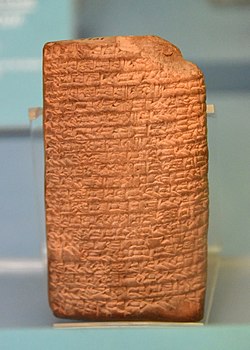
Poetry has been around for thousands of years! 📅The oldest known poems are from ancient Sumer in Mesopotamia, about 4,000 years ago! They wrote poems on clay tablets using cuneiform writing. ✍️ In ancient Greece, poets like Homer shared epic tales of heroes like Achilles. 🏰During the Middle Ages, poetry became popular in Europe with troubadours singing stories of love. ❤️ In the 19th century, poets like Emily Dickinson and Walt Whitman changed poetry's style! Today, poetry is enjoyed all around the world! 🌍Thanks to technology, we can share poems instantly with our friends!
Go deeper📏 Forms And Structure
Poetry comes in many forms and structures! 📏One of the most common types is a "lyric," which expresses personal feelings. 🌈"Haikus" are short poems with just three lines—five syllables in the first, seven in the second, and five in the last! 🍂There are also "sonnets," which have 14 lines and often rhyme. Rhyme schemes are how we organize the rhymes. 🎶For example, an “AABB” rhyme scheme means the first two lines rhyme, and the next two do too! 📚Each type of poem has its own fun challenges, so everyone can find their favorite!
Go deeper🌟 Modern Poetry Trends
Today, poetry is evolving! 🌟Many poets use social media to share their work, making it more accessible. 💻"Spoken word" poetry is popular, where poets perform their pieces with passion and emotion. 🎤Additionally, "Instagram poetry" uses short, impactful verses paired with images. 📸Poets like Rupi Kaur have gained huge followings by sharing their feelings on love and feminism 🌸. There’s also a trend of mixing poetry with visual arts, creating immersive experiences! 🎨Modern poetry embraces diversity, encouraging voices from different backgrounds to share their stories! 📖
Go deeper🌟 Famous Poets And Their Works
Many poets have inspired readers with their amazing words! 🌟One famous poet is William Wordsworth, who loved nature. 🌼He wrote the poem "I Wandered Lonely as a Cloud," describing beautiful daffodils. 🌼Another great poet is Langston Hughes, who wrote about dreams and struggles for equality. 💫His poem "The Negro Speaks of Rivers" is a powerful reflection on history. 🔥Dr. Seuss, known for his rhyming children’s books, created fun poems like "Green Eggs and Ham." 🍳 Each poet brings their unique style and magic to the world of poetry!
Go deeper🌍 Poetry In Different Cultures
Poetry exists in every culture around the world! 🌍In Japan, haikus capture nature’s beauty in just three lines. 🍃Ancient Egyptians wrote poems on papyrus about love and life. ❤️ In Africa, oral poetry has passed down stories and traditions for generations! 🗣️ The "Ghazal" is a poetic form in Arabic and Persian literature, often about love and loss. 🥀In India, poets like Rabindranath Tagore celebrated themes of nature and spirituality. 🌼Each culture brings its unique flavors to poetry, showcasing the richness of human expression! 🎊
Go deeper🕵️♂️ Reading And Analyzing Poetry
Reading poetry is like a treasure hunt for emotions and meanings! 🕵️♂️ Start by reading the poem out loud to hear its rhythm and sounds. 🎶Look for images that paint pictures in your mind and see how the words connect! 🔍Think about the feelings the poet is trying to share and what themes appear. 🌈Ask questions like: What does this poem remind me of? How do the words make me feel? 🤔Creating "poetry journals" is a fun way to write down your thoughts and favorite poems! Together, we can explore this magical world of words! 📝
Go deeper✨ Poetic Devices And Techniques
Poets have special tools to make their writing shine! ✨One tool is "imagery," which helps create vivid pictures in readers' minds, like describing a beautiful sunset 🌅. Another tool is "metaphor," where poets compare two things without using "like" or "as." For example, saying "time is a thief" means time takes moments away! ⏳"Alliteration" is when words close together start with the same sound, like "silly snakes." 🐍 Poets also use "similes," which are comparisons using "like" or "as." These devices make poetry colorful and exciting! 🌈
Go deeper🤝 The Role Of Poetry In Society
Poetry helps us connect with others and express ourselves! 🤝It can give us a voice, especially for those who feel unheard. 🌟Throughout history, poetry has brought people together during tough times. For example, during the Civil Rights Movement, poets like Maya Angelou wrote to inspire change. ✊Additionally, poetry is often used in celebrations, such as weddings and graduations, where it adds joy and meaning! 🎉Poetry also appears in music, showing how words can unite people on dance floors! 🕺It’s a beautiful way to share ideas and feelings!
Go deeper📚 Comparative Analysis Of Poetry Genres
Poetry has different genres, each with unique styles! 📚One genre is "lyric poetry," focusing on emotions, while "narrative poetry" tells a story. 📖"Epic poetry" is a long narrative about heroes and adventures, like Homer’s "The Iliad." ⚔️ "Free verse" allows poets to write without strict rules, using their own creativity! 🎨In contrast, "sonnets" follow a specific structure, while "haikus" are short and follow a specific pattern. By exploring different genres, readers can find their favorites and discover various ways to express ideas! 🌈
Go deeper