Plywood Facts For Kids
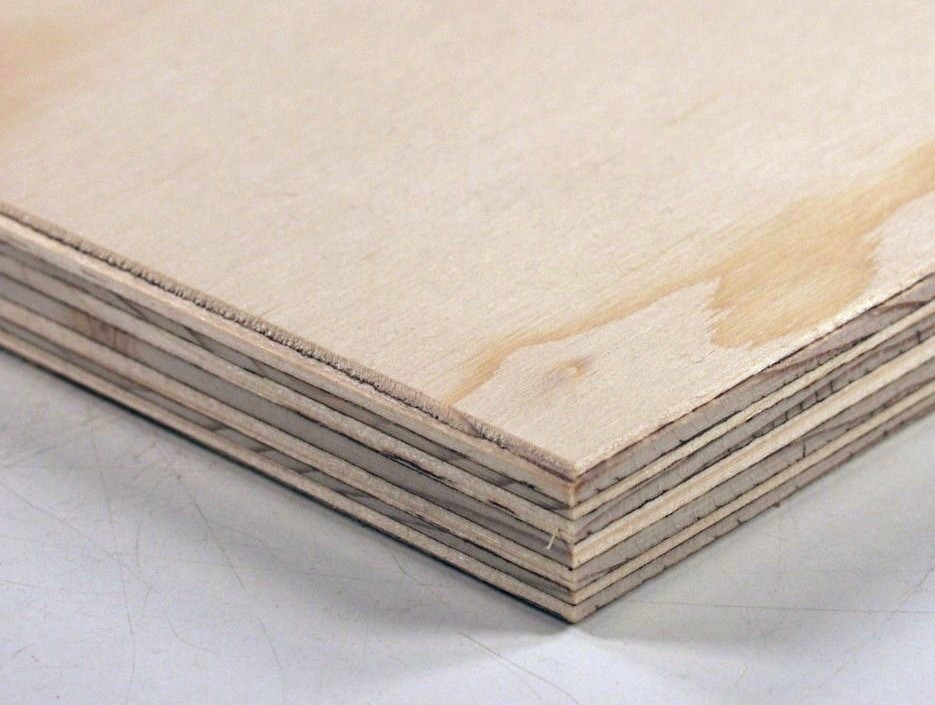
Plywood is a composite material made from thin layers of wood veneer that are stacked and glued together, creating a strong and flexible board.
Select reading age
Plywood Facts For Kids
Videos & Quizzesincluded
About this topic
Plywood is a special kind of material made from thin slices of wood called "plies." 🌳 These plies are glued together to create a strong board. Plywood is used in many things, like furniture, houses, and even airplanes! ✈️ It is famous for being strong yet lightweight, making it easier to use in construction. Plywood comes in different sizes and thicknesses, and it's made from various types of trees, like birch, pine, and oak! Did you know that plywood is often recycled? ♻️ That means it's not just good for buildings, but it's also better for our planet! 🌏
Explore with ChatDinoKey Points
There are many types of plywood, each designed for specific uses!
The history of plywood goes back to ancient Egypt!
To keep plywood looking good and lasting long, care is essential!
Plywood has a mixed environmental impact.
The process of making plywood is really cool!
Plywood is super versatile!
Plywood isn't just for buildings; it's also used in art and design!
Plywood has some unique features when compared to other materials!
Plywood comes with both advantages and disadvantages.
Plywood technology is always getting better!
Photos of Plywood

The principle of making plywood

Average-quality plywood with 'show veneer'

High-quality concrete pouring plate in plywood

Extremely high-quality 29-ply Birch plywood

De Havilland DH-98 Mosquito was made of curved and glued veneers

Logs for plywood construction in a plywood factory

A plywood mill in Joensuu, Finland

Detrola Model 579 (1946) radio, made of plywood
🚪 Types Of Plywood
There are many types of plywood, each designed for specific uses! 🚪Some common types are:
1. Softwood Plywood: Made from trees like pine and fir, used for walls and roofs.
2. Hardwood Plywood: Made from strong woods like oak and maple, used for furniture.
3. Marine Plywood: Waterproof and durable, perfect for boats! ⛵
4. Aircraft Plywood: Lightweight yet strong, used in airplanes.
5. Laminated Veneer Lumber (LVL): Made of layers of wood, great for beams!
Knowing the right type helps with your building needs! 🛠️
Go deeper1. Softwood Plywood: Made from trees like pine and fir, used for walls and roofs.
2. Hardwood Plywood: Made from strong woods like oak and maple, used for furniture.
3. Marine Plywood: Waterproof and durable, perfect for boats! ⛵
4. Aircraft Plywood: Lightweight yet strong, used in airplanes.
5. Laminated Veneer Lumber (LVL): Made of layers of wood, great for beams!
Knowing the right type helps with your building needs! 🛠️
🏺 History Of Plywood
The history of plywood goes back to ancient Egypt! 🏺People used thin pieces of wood to create strong, layered items over 3,000 years ago. Modern plywood began to be made in the late 19th century when new glue technology was invented. In 1905, a man named John F. McBain opened a plywood factory in the USA. 🇺🇸 After World War II, plywood became popular because it was lightweight and strong! Today, plywood is made in many countries, like China and Brazil, with modern factories churning out this handy material every day! 🌍
Go deeper🧹 Care And Maintenance
To keep plywood looking good and lasting long, care is essential! 🧹First, make sure to regularly clean it using a soft cloth or mop to remove dust. Avoid using too much water, as moisture can damage it! 💧If you notice scratches, you can sand them lightly! Applying a wood finish or sealant protects it from moisture and stains. 🛡️ It's important to avoid placing heavy objects on it to prevent bending. By following these steps, your plywood will stay strong and beautiful for many years! ✨
Go deeper🌲 Environmental Impact
Plywood has a mixed environmental impact. 🌲💔 On one hand, it can help save trees because it uses fast-growing trees that can be replanted. 🌳This process is known as sustainable forestry. Building with plywood means fewer trees are cut down compared to solid wood. But, if not sourced responsibly, it can contribute to deforestation. 😢Choosing certified plywood from responsible forestry helps protect our planet! 🌍Recycling plywood is also a great way to reduce waste and lower environmental harm! Remember, every little bit helps! ♻️
Go deeper🌟 Manufacturing Process
The process of making plywood is really cool! 🌟First, logs from trees are cut into thin layers using giant machines. Next, these layers are dried to remove moisture. Then, glue is spread on each side of the layers before they are stacked together. 📏After they are stacked, they're pressed tightly in a machine to bond the layers. The plywood is then cut into different sizes to be sent out for use. Cutting-edge technology ensures the plywood is strong and safe! This entire process helps turn forests of trees into useful, strong boards! 🌲✂️
Go deeper👏 Applications Of Plywood
Plywood is super versatile! 👏It's used in many buildings like schools, homes, and offices. 🏢In furniture, plywood makes tables, chairs, and cabinets strong yet lightweight! Plywood is also used in making doors, as well as interior design elements like wall panels and shelves. 🎨Besides buildings and furniture, plywood plays an important role in the movies! It's used as scenery and props! 🤩With so many applications, plywood is everywhere in our daily lives, from the furniture we sit on to the houses we live in!
Go deeper🎨 Plywood In Art And Design
Plywood isn't just for buildings; it's also used in art and design! 🎨Many artists use plywood for creating sculptures and furniture because it's easy to work with and can be painted or stained. 🖌️ Designers love using plywood for modern furniture and architectural elements, giving spaces a warm, natural look. Some schools even use plywood in workshops for students to create their projects! 🏫With its versatility, plywood allows creativity to flow in art, giving makers endless possibilities! Make sure to explore it in art classes! 🌈
Go deeper🤔 Plywood Vs. Other Materials
Plywood has some unique features when compared to other materials! 🤔For instance, solid wood is stronger but heavier than plywood. While metal can be very sturdy, it often isn't as warm or visually appealing as plywood. 📏Plus, plywood can be more cost-effective! That said, materials like particle board are cheaper, but they aren’t as strong or durable. Each material has its pros and cons, so it’s essential to pick the right one for your project! 🛠️
Go deeper🌟 Advantages And Disadvantages
Plywood comes with both advantages and disadvantages. 🌟On the plus side, it is strong, lightweight, and durable. Plywood is also inexpensive compared to solid wood. It can be easily cut and shaped, making it versatile for many projects. 🛠️ However, plywood can sometimes warp or swell if it gets wet. 🥴It may not be as beautiful as solid wood, with visible layers appearing. Not all plywood is created equally, so it's essential to choose the best quality for your needs!
Go deeper🖥️ Future Trends In Plywood Technology
Plywood technology is always getting better! 🖥️ Scientists and engineers are working to create eco-friendly plywood using sustainable sources. 🌱They are also developing new types of glue that are safer and healthier for our planet. Innovations in design make plywood even more exciting, with unique shapes and patterns! 🎉Some companies are experimenting with smarter plywood that can change color or shape! 🌈Imagine how cool that would be! The future looks bright for plywood, helping builders, designers, and our environment! 🌟
Go deeper