Pliers Facts For Kids
Pliers are hand tools used to hold objects firmly, possibly developed from tongs used to handle hot metal in Bronze Age Europe.
Select reading age

Pliers Facts For Kids
Videos & Quizzesincluded
About this topic
Pliers are cool hand tools that help us grip, bend, and cut things! 🛠️ They have been used by people for thousands of years. Pliers come in many shapes and sizes but they all work the same way - by squeezing to hold objects tightly. Have you ever tried to pick up a slippery object without any help? Pliers make it easier! Some pliers can even cut wire! These handy tools are very important for construction workers, electricians, and even mechanics. If you ever want to be an inventor, learning about pliers is a great start!
Explore with ChatDinoKey Points
Pliers work using a simple principle: leverage!
Pliers have several important parts that help them work!
There are many types of pliers, each designed for specific tasks!
Pliers were invented a long time ago, around 3000 BC!
Pliers have many applications, meaning they are used for various tasks!
Did you know some pliers can grip as tightly as an angry bear?
Pliers are just one of many tools out there, but they have some special skills!
Over the years, designers have created cool innovations for pliers!
Using pliers can be fun, but it's important to stay safe!
To keep your pliers in great shape, they need some care!
Photos of Pliers

Slip joint pliers

Cutting wire with diagonal pliers/side cutters

Medieval pincers found in Hamburg-Harburg (15th/16th century)

Pliers — photo 4

Long-nose pliers

Pliers — photo 6

Heavy duty crimping pliers (crimp tool) with interchangeable heads. Shown with fitted RJ45 head and RJ11 head on the side.

Pliers — photo 9
⚖️ How Pliers Work
Pliers work using a simple principle: leverage! ⚖️ When you squeeze the handles of the pliers, it causes the jaws to move closer together. This creates a tight grip on whatever you are holding. The pivot point helps with this action, allowing you to apply a lot of force with just a little squeeze! 🦸♂️ Imagine how hard it would be to grip something with just your hands compared to using pliers! So when you press the handles, the jaws do all the hard work for you. That's the magic of leverage!
Go deeper🔍 Parts Of Pliers
Pliers have several important parts that help them work! 🔍The main parts are:
- Jaws: The part at the front that grips objects.
- Handles: The long parts you squeeze; they come in different shapes for comfort and grip.
- Pivot point: This is where the jaws and handles move together; it helps make squeezing easier!
- Cutting edge: In some types, like diagonal cutters, this sharp edge slices through things.
Learning about these parts will help you use pliers safely and effectively!
Go deeper- Jaws: The part at the front that grips objects.
- Handles: The long parts you squeeze; they come in different shapes for comfort and grip.
- Pivot point: This is where the jaws and handles move together; it helps make squeezing easier!
- Cutting edge: In some types, like diagonal cutters, this sharp edge slices through things.
Learning about these parts will help you use pliers safely and effectively!
🤔 Types Of Pliers
There are many types of pliers, each designed for specific tasks! 🤔Here are a few popular ones:
1. Slip-joint pliers: These can change size, so you can grip different shapes.
2. Needle-nose pliers: They have long, pointed ends for reaching tight spaces or bending wire.
3. Diagonal cutters: These are great for cutting wire!
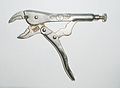
4. Locking pliers: You can lock these in place to hold objects tightly.
5. Wire strippers: These help remove the insulation from wires. Each type of plier is unique and super useful!
Go deeper1. Slip-joint pliers: These can change size, so you can grip different shapes.
2. Needle-nose pliers: They have long, pointed ends for reaching tight spaces or bending wire.
3. Diagonal cutters: These are great for cutting wire!
4. Locking pliers: You can lock these in place to hold objects tightly.
5. Wire strippers: These help remove the insulation from wires. Each type of plier is unique and super useful!
🕰️ History Of Pliers
Pliers were invented a long time ago, around 3000 BC! 🕰️ The first pliers were like tongs and were probably made in Europe when people were learning to work with metal during the Bronze Age. These tools helped workers grip hot metals safely! Over the years, people improved pliers to make them better for different jobs. In the 16th century, pliers became more common for everyday use. Now, we have many types of pliers that were developed in different countries like the United States and Germany. Isn't it fascinating how tools can change over time?
Go deeper🔧 Applications Of Pliers
Pliers have many applications, meaning they are used for various tasks! 🔧Here are some cool uses:
- Construction: Builders use pliers to grip and bend wires when creating structures.
- Electronics: Electricians often use needle-nose pliers to work with small wires in gadgets.
- Jewelry making: Artists use pliers to shape and cut pieces of jewelry.
- Home repair: Many people use pliers to fix things around their house!
Whether it’s fixing a toy or building a robot, pliers make tasks easier and more fun!
Go deeper- Construction: Builders use pliers to grip and bend wires when creating structures.
- Electronics: Electricians often use needle-nose pliers to work with small wires in gadgets.
- Jewelry making: Artists use pliers to shape and cut pieces of jewelry.
- Home repair: Many people use pliers to fix things around their house!
Whether it’s fixing a toy or building a robot, pliers make tasks easier and more fun!
🤯 Fun Facts About Pliers
Did you know some pliers can grip as tightly as an angry bear? 🤯Here are some fun facts about pliers:
- The word "pliers" comes from the French word "plier," which means "to fold."
- The oldest known pliers were found in ancient Egyptian tombs, dating back over 3,500 years!
- My favorite type of pliers is the locking pliers because they can hold objects without me having to squeeze the handles all the time!
- There are
Go deeper- The word "pliers" comes from the French word "plier," which means "to fold."
- The oldest known pliers were found in ancient Egyptian tombs, dating back over 3,500 years!
- My favorite type of pliers is the locking pliers because they can hold objects without me having to squeeze the handles all the time!
- There are
🛠️ Pliers Vs. Other Tools
Pliers are just one of many tools out there, but they have some special skills! 🛠️ Unlike wrenches, which turn things, pliers grip and hold objects. Hammers hit things, while pliers can squeeze and cut! 🔨They are multipurpose, so you can use them for various jobs. While screwdrivers help you turn screws, needle-nose pliers help reach tiny areas where a screwdriver might not fit. Each tool has its own purpose, but pliers are versatile enough for many tasks all in one! That’s why they are a favorite among DIYers!
Go deeper🌈 Innovations In Pliers Design
Over the years, designers have created cool innovations for pliers! 🌈For example, some new pliers have ergonomic handles, making them more comfortable to hold. Certain models even include built-in LED lights for working in dark places! 💡Some pliers now have replaceable cutting edges, so you don’t need to buy new ones. As technology improves, so does the design of tools. As an engineer or inventor, thinking about how to make tools better can help you create amazing new versions of everyday items like pliers!
Go deeper🚨 Safety Tips For Using Pliers
Using pliers can be fun, but it's important to stay safe! 🚨Here are some safety tips:
1. Always wear safety goggles when cutting or gripping things to protect your eyes.
2. Keep your fingers away from the jaws when using pliers.
3. Use the right type of pliers for your job to avoid accidents.
4. Don't use pliers for tasks they aren’t meant for, like turning screws!
5. Always ask an adult for help if you are unsure how to use pliers safely.
Following these rules will keep you safe while having fun!
Go deeper1. Always wear safety goggles when cutting or gripping things to protect your eyes.
2. Keep your fingers away from the jaws when using pliers.
3. Use the right type of pliers for your job to avoid accidents.
4. Don't use pliers for tasks they aren’t meant for, like turning screws!
5. Always ask an adult for help if you are unsure how to use pliers safely.
Following these rules will keep you safe while having fun!
🧹 Maintenance And Care Of Pliers
To keep your pliers in great shape, they need some care! 🧹First, always store them in a dry place so they won’t rust. You can also wipe them with a cloth to clean off any dirt after use. If you notice stiff movement, you can apply a little oil to the pivot point. 🌟Regular checks help ensure they work smoothly. Remember to keep the cutting edge sharp too. If your pliers are damaged, let an adult know so they can be repaired or replaced. Taking care of your tools will help them last a long time!
Go deeper