Pleuronectiformes Facts For Kids
Pleuronectiformes, or flatfish, are unique, flattened fishes known for their ability to change color, their asymmetrical bodies, and their ambush predator behavior.
Select reading age

Pleuronectiformes Facts For Kids
Videos & Quizzesincluded
About this topic
Pleuronectiformes, also known as flatfish, are a group of amazing fish that mostly live on the ocean floor. 🌊They have a unique shape, where both eyes are on one side of their body! Some popular types of flatfish include flounders, halibuts, and sole. They can be found in oceans all around the world. Flatfish are special because they can change their color to blend in with the sea floor, so they can hide from predators. 🐟Learning about flatfish helps us understand more about marine life!
Explore with ChatDinoKey Points
There are some really cool flatfish species!
Many flatfish species are facing challenges due to overfishing and habitat destruction.
Flatfish are important for fishermen and the fishing industry.
Flatfish have a special place in different cultures around the world!
Flatfish have fascinating ways to reproduce!
Flatfish are found in oceans all over the world, but they mainly prefer colder waters.
Flatfish have a special flat body shape that helps them blend in with the ocean floor.
Scientists are continually discovering new things about flatfish!
Flatfish are clever hunters!
Flatfish belong to the Pleuronectiformes order, which is further divided into two families: Pleuronectidae (right-eyed flatfish) and Bothidae (left-eyed flatfish).
Photos of Pleuronectiformes

Illustration of several common European flatfish species
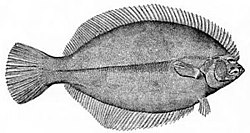
Winter flounder; Pleuronectidae

シマウシノシタ Zebrias zebra

Pleuronectiformes — photo 4
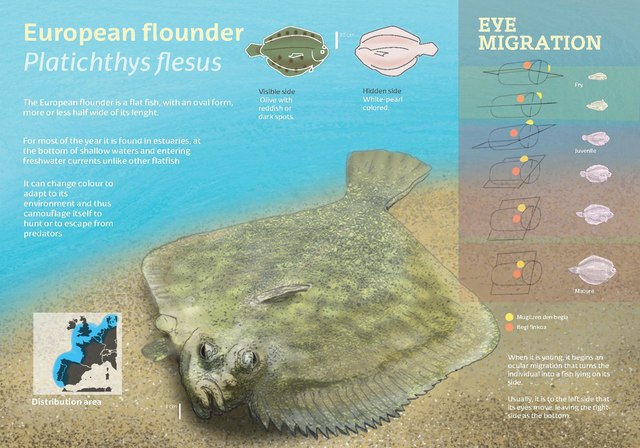
European flounder, like other flatfish, experience an eye migration during their lifetime.

Specimen of Amphistium.

Threadfins such as Polynemus have been recovered closer to the primitive spiny turbots than those are to other flatfish, or as a sister group to a monophyletic flatfish group

Pleuronectiformes — photo 8
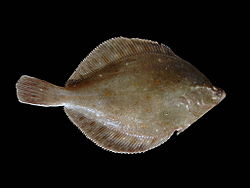
Pleuronectiformes — photo 9
🏋️♂️ Notable Species
There are some really cool flatfish species! The Atlantic halibut is one of the largest flatfish and can weigh over 500 pounds! 🏋️♂️ The European flounder is smaller but popular in cooking. The Plaice has bright orange spots that make it look unique! 🐾Each species has its own special traits and colors, showing just how diverse flatfish can be. These fishes play important roles in their environments, so it's essential to learn about them! 📚
Go deeper📉 Conservation Status
Many flatfish species are facing challenges due to overfishing and habitat destruction. 📉Some flatfish populations are declining, making it important for people to fish responsibly and protect their habitats! Organizations and researchers are working to monitor flatfish populations and help conserve them. 🛡️ By creating marine protected areas and implementing fishing regulations, we can help ensure that these amazing fish continue to thrive for future generations! 🌱
Go deeper🎣 Economic Importance
Flatfish are important for fishermen and the fishing industry. 🎣They are a popular seafood choice and are enjoyed in many cuisines around the world! Some famous dishes include fish and chips, made with flatfish like sole or cod. 🌭Every year, millions of pounds of flatfish are caught, providing jobs and food for people. They are also an important part of the ocean ecosystem, helping to keep the balance by eating smaller animals and serving as food for larger sea creatures. 🦈
Go deeper🌊 Cultural Significance
Flatfish have a special place in different cultures around the world! In many places, they are a popular food choice, especially in coastal communities. 🌊For example, in England, fish and chips are a famous dish often made with flatfish! In some cultures, flatfish are used in traditional medicines and are believed to be healthy. 🎭Through art, stories, and festivals, flatfish have become symbols, connecting people to their ocean habitats!
Go deeper🥚 Reproductive Strategies
Flatfish have fascinating ways to reproduce! Most flatfish lay eggs in the ocean during the spring and summer. 🥚The eggs float to the surface, while tiny fish called larvae hatch and swim for a while. As they grow, these larvae will eventually sink to the bottom and start developing their flat shapes. Some flatfish can change their sex too! For example, in some species, a female can become a male if there aren’t enough males around. Wow! 🌈
Go deeper🌍 Habitat And Distribution
Flatfish are found in oceans all over the world, but they mainly prefer colder waters. 🌍You can find them in places like the North Atlantic Ocean, the Pacific Ocean, and the North Sea! They love living in sandy or muddy areas of the seafloor, where they can bury themselves. Some flatfish, like the Pacific halibut, can be found in depths of up to 3,600 feet! That's like stacking over 200 kids on top of each other! 🎈
Go deeper🏖️ Physical Characteristics
Flatfish have a special flat body shape that helps them blend in with the ocean floor. 🏖️ They can vary greatly in size, with some like the Atlantic halibut reaching over 8 feet long! Flatfish have smooth skin, which can change color, helping them camouflaged. 🤿Their eyes move to the top side of their body as they grow, making them different from most fish. Flatfish also have a unique swim bladder that allows them to float and stay near the bottom of the ocean.
Go deeper🧬 Research And Discoveries
Scientists are continually discovering new things about flatfish! 🧬Researchers study their behavior, habitat needs, and how they can adapt to changes in the environment. Through tagging flatfish, scientists gather important information about their migration and spawning patterns. 🌊By learning about flatfish, we can help protect our oceans and ensure that these exceptional fish thrive. In the future, who knows what other incredible discoveries await us? 🌟
Go deeper🦐 Behavior And Feeding Habits
Flatfish are clever hunters! They often lie flat on the ocean floor, waiting for tasty meals like small fish, shrimp, and crabs to swim by. 🦐They use their eyes to spot food and quickly snatch it up with their mouths. Flatfish are nocturnal, meaning they are more active at night, which helps them avoid predators during the day! 🌙They also have a unique way of swimming by using their pectoral fins, making them elegant while moving through the water!
Go deeper🤓 Classification Of Pleuronectiformes
Flatfish belong to the Pleuronectiformes order, which is further divided into two families: Pleuronectidae (right-eyed flatfish) and Bothidae (left-eyed flatfish). 🤓Scientists classify them based on which side their eyes are on! For example, halibut and flounder are part of the right-eyed family. In total, there are more than 500 species of flatfish! 🌈Each type of flatfish has its unique colors and patterns, making them quite interesting to study and observe.
Go deeper