Playwright Facts For Kids
A playwright, or dramatist, is a person who writes plays designed for performance, focusing on dialogue and character interactions.
Select reading age
Playwright Facts For Kids
Videos & Quizzesincluded
About this topic
A playwright is a special person who writes plays! 🎭Plays are stories meant to be acted out on a stage for an audience. They contain characters who talk to each other, and an exciting plot that keeps people interested. The word 'play' comes from the idea of performance, where actors bring the words of the playwright to life. Playwriting is an important art form that has been around for thousands of years! You can find plays in theaters, on television, and even in movies. Writing plays can be a fun way to express ideas and share stories with others! ✨
Explore with ChatDinoKey Points
There are many exciting types of plays!
Several playwrights have stood out throughout history!
Playwriting has a rich history that goes back to ancient times!
Playwriting involves many fun techniques!
Scripts and screenplays are both types of writing for performances, but they are different!
Playwrights play a key role in theater!
Theatre and plays have a powerful impact on society!
Modern playwrights are creating exciting and diverse works today!
Playwriting competitions and festivals are great ways for writers to share their works!
Photos of Playwright

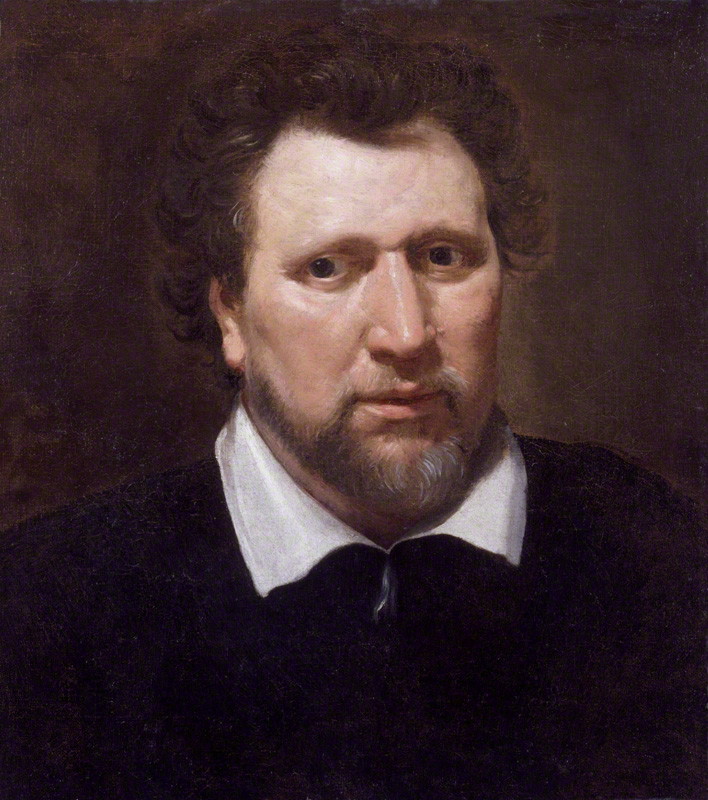
The Chandos portrait, likely depicting Shakespeare, c. 1611

The literary production of Aleksis Kivi, the Finnish national author, consisted mainly of plays. One of his best-known plays is Heath Cobblers from 1864.

Agatha Christie, author of The Mousetrap, the longest run play in history
🎬 Types Of Plays
There are many exciting types of plays! 🎬One type is a comedy, which is meant to make people laugh—like "Noises Off"! 😂Another type is a drama, which tells a serious story, such as "The Glass Menagerie." You might also enjoy musicals, which combine singing and acting, like "Annie." 🎶 Some plays are even based on real events, called "historical plays," like "The Crucible." There are also one-act plays that are shorter and can be performed quickly! With so many genres, there's something for everyone to enjoy in the world of theater! ✨
Go deeper🎭 Famous Playwrights
Several playwrights have stood out throughout history! One such playwright is Tennessee Williams, who wrote "A Streetcar Named Desire" in 1947. 🎭He explored deep emotions and relationships in his plays. Another famous writer is Arthur Miller, who wrote "Death of a Salesman," a powerful story about family and dreams. 🌟In the world of musicals, Lin-Manuel Miranda created "Hamilton," a modern play telling the story of Alexander Hamilton and America’s founding. 🏛️ Each of these playwrights has helped shape theater and left a lasting impact on audiences around the world! 🌍
Go deeper📜 History Of Playwriting
Playwriting has a rich history that goes back to ancient times! 📜The earliest known plays were written in ancient Greece around 2500 years ago. The playwright Aeschylus is often called the "father of tragedy." He introduced more characters to plays, making them more exciting! Later, during the Renaissance, William Shakespeare wrote many famous plays like "Romeo and Juliet" and "Hamlet." 🌹 Shakespeare's works are still performed today! Over time, playwrights have used their creativity to write comedies, dramas, and musicals, bringing stories to life for everyone to enjoy. 🎉
Go deeper✍️ Playwriting Techniques
Playwriting involves many fun techniques! ✍️ One important technique is creating strong characters who have clear goals and emotions. Playwrights use dialogue, or characters' conversations, to show these emotions and tell the story. Another technique is using stage directions, which guide actors on where to move and how to express feelings. 🎭The plot, or sequence of events, is crucial too! It often includes a conflict, where characters face challenges they must overcome. Finally, playwrights think carefully about the setting, or the time and place of the play, to create the perfect atmosphere! ☁️
Go deeper📜 Scripts Vs. Screenplays
Scripts and screenplays are both types of writing for performances, but they are different! 📜A script is meant for theatre and includes dialogue, characters, and stage directions. It's designed to be performed live in front of an audience. 🎭A screenplay, however, is written for films and includes more detailed visual instructions for camera work and editing. 🎬Movie scripts often have scene descriptions and other elements that help the filmmakers create the final product. While both forms tell stories, they are crafted for different types of performances, allowing writers to explore their creativity in various ways! ✨
Go deeper🎭 The Role Of A Playwright
Playwrights play a key role in theater! 🎭They create the stories and characters that actors will bring to life. A playwright starts with an idea, then writes the dialogue and stage directions. 🔍They must consider how the story will engage the audience and express important themes. Once the play is written, it might be workshopped, where actors perform parts of it to help improve it. The playwright collaborates with directors, actors, and designers to make the show as exciting as possible! In this way, the playwright is like the captain of a ship, guiding everyone toward their artistic journey! 🚢
Go deeper🎭 Impact Of Theatre On Society
Theatre and plays have a powerful impact on society! 🎭They can entertain, educate, and even inspire change. Many plays address important issues, such as friendship, family, and social justice. For example, the play "A Raisin in the Sun" highlights the struggles of a Black family living in a segregated world. 🌍Theatre can also encourage empathy, allowing audiences to step into someone else's shoes and understand their feelings. 🎭Additionally, it provides a platform for voices that might not be heard in everyday life. Overall, theatre has the power to shape thoughts, feelings, and actions in a community! 🏙️
Go deeper🖊️ Modern Playwrights And Trends
Modern playwrights are creating exciting and diverse works today! 🖊️ Writers like Sarah Ruhl explore themes of love and loss in unique ways, while Lin-Manuel Miranda mixes history with hip-hop in musicals like "Hamilton." 🎶 New trends in theatre are focusing on inclusivity and representation, showcasing diverse characters and stories. Virtual theater has also gained popularity, especially during the pandemic, allowing people to enjoy performances from home! 🌐In addition, many playwrights use technology, like projection and sound, to create immersive experiences. Modern theatre continues to evolve, reflecting the changes in our society and making it a vibrant art form! 🎉
Go deeper🏆 Playwriting Competitions And Festivals
Playwriting competitions and festivals are great ways for writers to share their works! 🏆Many theaters host events like the "Annual Young Playwrights Festival," giving young writers a chance to showcase their talent. Some famous playwrights were discovered through competitions! 🎭Festivals like the "Edinburgh Festival Fringe" in Scotland celebrate many types of performances, including original plays. 🌍These events build connections between playwrights, directors, and actors while creating exciting opportunities to see new shows. Participating in a competition can inspire the next generation of playwrights to create amazing stories and spark their creativity! ✨
Go deeper