Plantago Facts For Kids
Plantago is a fascinating genus of around 200 flowering plant species in the Plantaginaceae family, known for their diverse forms and ecological importance.
Select reading age
Plantago Facts For Kids
Videos & Quizzesincluded
About this topic
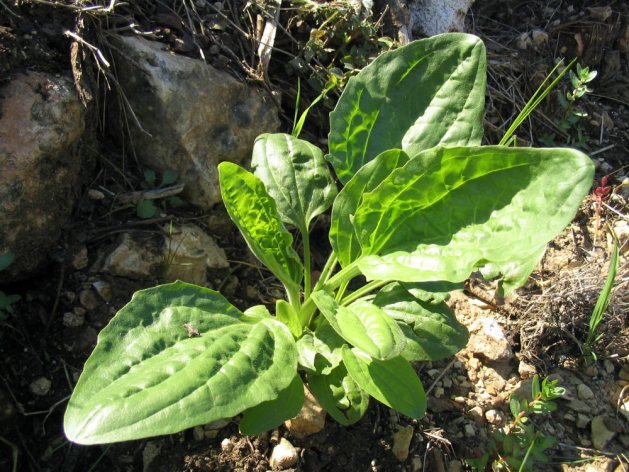
Plantago 🌱 is a fascinating group of plants that includes around 200 different species! They belong to the Plantaginaceae family and are often called plantains or fleaworts. These plants can grow all around the world, from countries like the USA 🇺🇸 to Australia 🇦🇺, showcasing their adaptability. Some common types include Plantago major (great plantain) and Plantago lanceolata (narrowleaf plantain). They have broad leaves and produce tiny flowers grouped on tall stems. People have been using these plants for centuries, making them an important part of our natural world and culture! 🌍
Explore with ChatDinoKey Points
In the Plantago family, plants are classified based on shared features.
The Plantago plants have some cool features!
For many years, people have used Plantago plants in various ways.
There are many different types of Plantago species around the world!
Like all plants, Plantago can face challenges from pests and diseases.
Plantago plants have special qualities that benefit health!
Plantago plants have a rich history and importance in different cultures!
Plantago plants play a big role in our ecosystems!
Plantago plants grow in many different places across the world!
Growing Plantago plants is easy and fun!
Photos of Plantago

Plantago — photo 1

Plantago — photo 2


Plantago — photo 5

Plantago — photo 6

Plantago-media-stepposa10

Plantago maritima: Flowers and seeds
🌼 Taxonomy
In the Plantago family, plants are classified based on shared features. 🌼A plant's scientific name can tell you a lot about it! Plantago's name comes from Latin. "Plantago" means "to flatten" which describes how some leaves grow close to the ground. This genus is part of a bigger group called Plantaginaceae, which also has about 37 other genera! Each species, like Plantago major or Plantago lanceolata, has unique features, but they all share that special Plantago look. Let’s discover more about these amazing plants! 🔍
Go deeper🌿 Morphology
The Plantago plants have some cool features! 🌿They usually have broad, flat leaves that can grow up to 25 cm long! The leaves often grow in a rosette shape close to the ground. Flower stalks can reach heights of 30-60 cm and are topped with small white or green flowers. 🐝These flowers attract bees and butterflies, helping with pollination! The seeds are tiny and can be carried by the wind or animals, spreading far and wide. Their unique structure allows them to thrive in different environments while providing food for many insects!
Go deeper🌿 Traditional Uses
For many years, people have used Plantago plants in various ways. 🌿Indigenous cultures around the world have known about the plant's benefits for centuries. Leaves of Plantago major were often used in salads, and people chewed them for their soothing effects on sore throats. 🌱Some species were used to heal cuts and scrapes. Plantago plants, especially the seeds, were also used in traditional cuisine! They are sometimes called "mother’s plant" because they were cherished for their useful properties. They teach us how plants can help us in everyday life and in healing!
Go deeper🌏 Species Diversity
There are many different types of Plantago species around the world! 🌏Each species has its own traits and growing conditions. For example, Plantago major thrives in urban areas, while Plantago lanceolata is usually found in meadows and open fields. Some species produce tiny seeds that can spread hundreds of miles! 🌼This diversity helps Plantago continue to thrive in various environments and adapt to changes. By learning about them, we can appreciate the beauty and variety within this unique group of plants! 🌻
Go deeper🐛 Pests And Diseases
Like all plants, Plantago can face challenges from pests and diseases. 🐛Aphids are small bugs that sometimes like to munch on their leaves. It’s important to check your plants regularly to catch these little critters early. 🌱Fungal diseases can also be a problem, especially in wet conditions. To keep your plants healthy, make sure they have good airflow and don’t get too crowded! By learning how to care for them, you can help your Plantago plants stay strong and beautiful! Remember, happy plants make a happy garden! 🌳
Go deeper💊 Medicinal Properties
Plantago plants have special qualities that benefit health! 💊They are known for their soothing properties and are often used in herbal remedies. For example, Plantago major leaves can help with coughs and respiratory issues. The plant can also be used to promote skin healing when applied as a poultice. 🌱People have created teas using the leaves to ease stomach aches or soothe insect bites. The natural properties found in these plants show us how nature can help us feel better and heal! Isn’t that amazing? 🍃
Go deeper🌍 Cultural Significance
Plantago plants have a rich history and importance in different cultures! 🌍Many cultures have used them for food, medicine, and even rituals. In some traditions, the plants symbolize healing and resilience. For example, Native Americans valued Plantago leaves for their health benefits. In European folklore, these plants were often linked to protection and good luck. 🌱By understanding the role that Plantago plays in our cultures, we can learn how plants connect us to the world and each other through history and stories! So, let’s celebrate these amazing plants together! 🎉
Go deeper🌼 Ecological Importance
Plantago plants play a big role in our ecosystems! 🌼They provide food and habitat for many insects, like bees and butterflies, which are essential for pollination. Pollination helps produce fruits and seeds, supporting other plants and animals in the environment. Additionally, these plants keep soil healthy by preventing erosion; their roots help hold the soil in place. 🌍They also help create habitats for small creatures, like bugs and birds. By supporting biodiversity, Plantago plants contribute to the health of nature and help other species survive! 🦋
Go deeper🌎 Habitats And Distribution
Plantago plants grow in many different places across the world! 🌎You can find them in fields, gardens, roadsides, and even in your backyard. They thrive in North America, Europe, and Asia, showing their versatility. While some species prefer dry soil, others like wet areas. For example, Plantago major flourishes in grassy areas and can be seen in cities and parks. 🌳The ability to adapt to various environments helps these plants to spread and grow in many countries, making them very popular with gardeners and nature lovers!
Go deeper🌞 Cultivation And Propagation
Growing Plantago plants is easy and fun! 🌞You can start them from seeds or even buy little plants from nurseries. They love sunny or partially shady spots and can thrive in many types of soil. To plant seeds, just sprinkle them on the soil's surface and cover lightly with dirt! 🌿Water them regularly but don’t overdo it—these plants prefer well-drained soil. They can grow quickly, often sprouting in just a few weeks. With a little care, you can have your own plantain plants and enjoy watching them grow and blossom! 🌼
Go deeper