Pink Fairy Armadillo Facts For Kids
The pink fairy armadillo is a small, nocturnal mammal known for its distinctive pink shell and burrowing habits, native to Argentina's grasslands.
Select reading age

Pink Fairy Armadillo Facts For Kids
Videos & Quizzesincluded
About this topic
The pink fairy armadillo, known scientifically as *Chlamyphorus truncatus*, is a small mammal found only in Argentina, South America. 🗺️ It is the smallest species of armadillo, measuring about 4-5 inches long, and weighs around 3 ounces! These adorable creatures are recognized for their unique pink armor, which helps them stand out in their sandy habitats. 🏜️ They spend most of their time underground and are nocturnal, meaning they're active at night. The pink fairy armadillo is a fascinating example of evolution, adapting to life in a challenging environment!
Explore with ChatDinoKey Points
Here are some cool facts about the pink fairy armadillo!
The pink fairy armadillo is currently listed as "Near Threatened" on the IUCN Red List.
In Argentina, the pink fairy armadillo is a symbol of the country's rich wildlife.
Pink fairy armadillos have a primarily insect-based diet, munching on ants, termites, and other small invertebrates found underground.
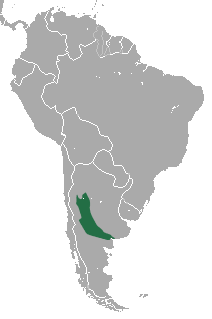
Pink fairy armadillos primarily inhabit the dry grasslands and sandy soils of central Argentina, specifically in the provinces of Córdoba and San Luis.
The pink fairy armadillo is famous for its soft, pale pink shell and tiny size.
Pink fairy armadillos typically mate in the spring, and females give birth to one or two babies at a time, called pups.
Pink fairy armadillos are solitary creatures, which means they prefer to live alone.
Photos of Pink Fairy Armadillo
Pink Fairy Armadillo — photo 1

A taxidermied specimen

Illustration by Friedrich Specht
🎉 Fun Facts
Here are some cool facts about the pink fairy armadillo! 🎉
1. The pink fairy armadillo can dig at an astonishing speed of 1 foot per second! 🏃♂️
2. Adults can curl into a ball when threatened, giving them protection from predators!
3. Unlike many armadillos, they don't have a hard shell on their belly, only on top!
4. Their name comes from their fairy-like size and beautiful soft pink color!
5. Pink fairy armadillos can hold their breath for several minutes while burrowing! 🌬️
Go deeper1. The pink fairy armadillo can dig at an astonishing speed of 1 foot per second! 🏃♂️
2. Adults can curl into a ball when threatened, giving them protection from predators!
3. Unlike many armadillos, they don't have a hard shell on their belly, only on top!
4. Their name comes from their fairy-like size and beautiful soft pink color!
5. Pink fairy armadillos can hold their breath for several minutes while burrowing! 🌬️
🌍 Conservation Status
The pink fairy armadillo is currently listed as "Near Threatened" on the IUCN Red List. 🌍Their populations are declining due to habitat destruction, especially from farming and urban development. Additionally, they are sometimes hunted for their shells. Conservation efforts are essential to protect their habitat and raise awareness about this unique species. Organizations in Argentina are working hard to ensure that the pink fairy armadillo can thrive in its natural environment for future generations to admire.
Go deeper🧭 Cultural Significance
In Argentina, the pink fairy armadillo is a symbol of the country's rich wildlife. 🇦🇷 Local communities celebrate their unique nature and raise awareness about the importance of protecting their habitats. Artists and storytellers often feature this adorable creature in folk tales, highlighting their charming nature and role in the ecosystem. By being part of local culture, the pink fairy armadillo inspires both children and adults to appreciate and protect wildlife. Education programs also help teach people about this unique armadillo and the importance of conservation in preserving biodiversity.
Go deeper🐜 Diet And Feeding Habits
Pink fairy armadillos have a primarily insect-based diet, munching on ants, termites, and other small invertebrates found underground. 🐜Their long tongues help them reach into tiny cracks in the soil, allowing them to capture their meals quickly. These armadillos rely on their excellent sense of smell to find food. They are also known to eat small plants and roots on occasion. By feasting on these underground creatures, pink fairy armadillos play an important role in maintaining the balance of their ecosystem!
Go deeper🌾 Habitat And Distribution
Pink fairy armadillos primarily inhabit the dry grasslands and sandy soils of central Argentina, specifically in the provinces of Córdoba and San Luis. 🌾They prefer areas where they can easily dig and burrow, as they burrow into the ground to create homes. These armadillos are skilled diggers, using their powerful front claws to dig quickly. They thrive in warm climates and lead solitary lives, often staying within a small territory. Because they are shy and rarely seen, they remain elusive in their natural environment!
Go deeper🐾 Physical Characteristics
The pink fairy armadillo is famous for its soft, pale pink shell and tiny size. 🐾Unlike other armadillos, it has a flexible carapace, allowing it to dig through the sand easily. Their bodies are covered with a layer of fine fur, giving them a cute appearance! They also have a small snout with a long tongue, helping them catch insects. In addition, their short legs enable fast digging. Their unique look makes them one of the most adorable armadillos out there!
Go deeper🍼 Reproduction And Life Cycle
Pink fairy armadillos typically mate in the spring, and females give birth to one or two babies at a time, called pups. 🍼The gestation period is around two months, and the young are born with a soft shell that hardens as they grow. Pups are weaned from their mothers by two months old and usually become independent soon after. They reach adulthood by about six months and can live up to 5-10 years in the wild. Their life cycle shows how important it is for young armadillos to learn survival skills from their mothers!
Go deeper🦔 Behavior And Social Structure
Pink fairy armadillos are solitary creatures, which means they prefer to live alone. 🦔They are mainly nocturnal, coming out at night to search for food and dig through the soil. During the day, they hide in their burrows to stay safe from predators. They can create extensive tunnel networks, reaching up to 2-3 feet deep! When threatened, these armadillos can bury themselves quickly, using their powerful claws. They communicate using quiet sounds, like squeaks or hisses, to let other armadillos know they are around.
Go deeper