Pine Grosbeak Facts For Kids
The Pine Grosbeak is a colorful and large finch known for its cheerful chirping, thick bill, and preference for cold, northern forests.
Select reading age

Pine Grosbeak Facts For Kids
Videos & Quizzesincluded
About this topic
The Pine Grosbeak is a colorful bird from the finch family, called Fringillidae. 🌈These birds mostly roam in the forests of Canada, Alaska, and parts of the northern United States. They can be identified by their big size and their impressive beaks! Pine Grosbeaks love to eat seeds and berries, making them popular visitors during winter! ❄️🕊️ Their scientific name is Pinicola enucleator. Fun fact: some people even call them "pine finches" because they love to hang around evergreen trees!
Explore with ChatDinoKey Points
The Pine Grosbeak has some cousins in the bird world!
Did you know that Pine Grosbeaks can survive in very cold temperatures?
Pine Grosbeaks are not strong migrators like some birds.
The Pine Grosbeak is currently not considered endangered!
When it's springtime, Pine Grosbeaks start looking for love!
In many indigenous cultures, birds like the Pine Grosbeak symbolize happiness and renewal!
Pine Grosbeaks are mainly vegetarian!
Pine Grosbeaks enjoy living in cool, snowy areas.
Pine Grosbeaks are known for their beautiful colors.
Pine Grosbeaks are friendly and social birds!
Photos of Pine Grosbeak

Kenai National Wildlife Refuge, Alaska
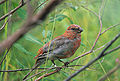
Pine Grosbeak — photo 2
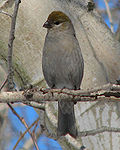
Pine Grosbeak — photo 3
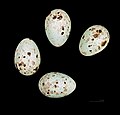
Pine Grosbeak — photo 4
🌟 Similar Species
The Pine Grosbeak has some cousins in the bird world! One similar bird is the Evening Grosbeak, which is bright yellow and black. 🌟While both birds are part of the finch family, they have different colors and ranges. The Evening Grosbeak loves to hang around in more southern areas like the U.S. Another cousin is the Red Crossbill, known for its special beak shape, which is perfect for cracking open conifer seeds. These grosbeak relatives are all unique, but each one has its own charm and beauty! 🦜
Go deeper❄️ Interesting Facts
Did you know that Pine Grosbeaks can survive in very cold temperatures? ❄️ Their thick feathers keep them warm even in freezing weather! Also, they have a unique way of feeding, sometimes hanging upside down to reach delicious berries! 🍇Pine Grosbeaks are also famous for their beautiful songs. Some people say their melodies sound like soft whistles! 🎶They are also very curious creatures and sometimes visit bird feeders in gardens during winter to munch on seeds!
Go deeper🌍 Migration Patterns
Pine Grosbeaks are not strong migrators like some birds. 🌍They prefer to stay close to their homes during winter, but sometimes they do migrate to find food. When food becomes scarce in their northern habitats, they might travel to lower areas like valleys. This usually happens in late fall or early winter. Although they are not common migrators, they still love to explore nearby areas for yummy berries and seeds. So keep an eye out for these colorful birds in your local forests! 👀
Go deeper🌱 Conservation Status
The Pine Grosbeak is currently not considered endangered! 🌱Their populations are stable, thanks to their ability to adapt to different environments. However, like many birds, these lovely creatures face challenges due to habitat loss and climate change. 🌍People are taking steps to protect forests and plant more trees so that Pine Grosbeaks and many other animals can thrive! It's important to keep our forests clean and protect these beautiful birds for future generations. 🐦
Go deeper💘 Breeding And Nesting
When it's springtime, Pine Grosbeaks start looking for love! 💘They build cozy nests high up in trees, usually made from twigs, grass, and feathers. The female lays around 2 to 6 eggs, which she incubates for about two weeks. 🥚Once the eggs hatch, both parents take turns feeding the little chicks. These chicks grow quickly, learning all the bird tricks from their mom and dad. 🐣After about two weeks, the baby grosbeaks are ready to fly and explore the world on their own!
Go deeper🌈 Cultural Significance
In many indigenous cultures, birds like the Pine Grosbeak symbolize happiness and renewal! 🌈They are often seen as messengers from nature, reminding people to appreciate the beauty around them. In some regions, people celebrate the arrival of spring, believing that the songs of birds like the Pine Grosbeak bring new life and joy! 🎉The colorful feathers and lovely songs of Pine Grosbeaks have inspired artists and storytellers throughout history, making them an important part of culture and tradition!
Go deeper🍏 Diet And Feeding Habits
Pine Grosbeaks are mainly vegetarian! 🍏Their favorite foods include seeds from pine cones, berries, and fruits. They love munching on apples, cherries, and various types of berries like rowan and mountain ash. 🌲These birds have surprisingly strong beaks that easily crack open seeds and nuts. They often search for food high up in trees or on the ground. Sometimes, they can be seen in large groups enjoying a feast together! 🍽️ Their excellent sense of sight helps them spot tasty treats in their forest homes.
Go deeper🏔️ Habitat And Distribution
Pine Grosbeaks enjoy living in cool, snowy areas. 🏔️ You can find them in coniferous forests, especially those with lots of pine trees. 🍃Their homes are mostly located in northern Canada, Alaska, and sometimes they visit parts of the northern United States, such as Washington and Michigan. During winter, they might travel to lower altitudes in search of food. They prefer cold, refreshing areas and are rarely found in hot climates. 🌞These birds can be spotted flitting among the branches or eating yummy fruit!
Go deeper🟡 Physical Characteristics
Pine Grosbeaks are known for their beautiful colors. 🟡The males are bright red or yellow, while the females wear softer shades of gray and green. They can be quite large compared to other birds, measuring about 7-9 inches long! Their strong, cone-shaped bills help them crack open seeds and nuts easily! 🥜Their wings are short and rounded, which makes them great for flying through thick forests. When they sing, it sounds like sweet melodies, adding to the charm of the Pine Grosbeak! 🎶
Go deeper🕊️ Behavior And Social Structure
Pine Grosbeaks are friendly and social birds! 🕊️ They often form flocks of 10 or more birds, especially when searching for food. These flocks can be made up of family members and friends. While feeding, they love to chatter and sing to each other, creating sweet melodies in the forest. 🎶Sometimes, they even share their snacks with each other! Pine Grosbeaks are known to be curious and will approach humans if they are quiet and patient. They enjoy playing and sometimes chase each other around the trees!
Go deeper