Pilchard Facts For Kids
Pilchard is a small, schooling fish commonly found in temperate waters, valued for its taste and nutritional benefits.
Select reading age

Pilchard Facts For Kids
Videos & Quizzesincluded
About this topic
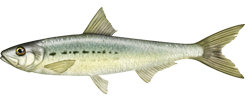
The pilchard is a small fish that lives in oceans around the world! 🌊These fish can grow up to 12 inches long and usually have a shiny silver color. Pilchards are a type of sardine and belong to the herring family. They are commonly found in large schools, swimming together in groups. You can catch them in places like the Mediterranean Sea and the Pacific Ocean! The scientific name for the pilchard is “Sardina pilchardus.” They are known for their fast swimming and are popular among animals that eat fish, like dolphins and seabirds! 🐬🐦
Explore with ChatDinoQuick Facts
Key Points
Pilchards are a tasty treat enjoyed in many ways!
Pilchards have influenced cultures around the world!
Fishing for pilchards can be a fun activity!
Pilchards prefer warm, shallow waters.
The conservation status of pilchards is important for their future!
Pilchards play a big role in the economy!
Scientists study pilchards to understand more about ocean life!
Pilchards have been an important food source for humans for thousands of years!
Photos of Pilchard

Pilchard — photo 1

Pilchard — photo 2

Pilchard — photo 4


St Mawes at the Pilchard Season by J.M.W. Turner, 1812

Pilchard — photo 8

Pilchard — photo 9
🍴 Culinary Uses
Pilchards are a tasty treat enjoyed in many ways! 🍴You can find them grilled, fried, or even canned in oil or tomato sauce. In Portugal, they are often grilled on a barbecue and served with bread. In the UK, canned pilchards are popular for quick meals, especially in sandwiches or pasta dishes. Some people love to eat them straight from the can! Not only are pilchards delicious, but they are also packed with nutrients like omega-3 fatty acids, which are good for your heart and brain! ❤️🧠
Go deeper🌍 Cultural Impact
Pilchards have influenced cultures around the world! 🌍In Portuguese cuisine, they are celebrated during festivals and are a symbol of the country's fishing tradition. In Spain, they are often featured in Tapas, small dishes served at social gatherings. Folklore in various cultures sometimes speaks of pilchards as a sign of good luck or prosperity. This fish has also inspired art, with paintings and dishes showcasing pilchards in markets. By exploring these cultural connections, we can learn about the importance of pilchards to different communities!
Go deeper🎣 Fishing Techniques
Fishing for pilchards can be a fun activity! 🎣Fishermen use different techniques to catch these fish. One common method is called purse seining, where a large net is used to trap a school of fish. Fishermen throw the net around the fish and then pull it tight to keep them inside. Another technique is trolling, where baited hooks are dragged behind a boat to attract pilchards. Many fishermen enjoy pilchard fishing because it can be done in nearshore waters. Make sure to check local rules to fish safely and protect marine life!
Go deeper🌞 Biology And Habitat
Pilchards prefer warm, shallow waters. 🌞They often live near coastlines and in areas with plenty of nutrients. These fish feed on tiny plants called phytoplankton and other small sea animals. Pilchards have streamlined bodies that help them swim quickly, and they can often be seen jumping out of the water! They can also spawn (or lay eggs) in large quantities, which helps keep their population strong. Young pilchards are called larvae and are tiny, usually less than a millimeter long when they hatch! They grow quickly and can live in schools with other young fish.
Go deeper🌍 Conservation Status
The conservation status of pilchards is important for their future! 🌍Some populations are threatened due to overfishing, pollution, and climate change. Groups like the International Union for Conservation of Nature (IUCN) keep track of these fish. Many countries have fishing limits to help maintain their populations. It’s essential to fish sustainably, which means not taking too many fish at once. By respecting these rules, we can help ensure that pilchards and other marine life will thrive for generations to come!
Go deeper💰 Economic Importance
Pilchards play a big role in the economy! 💰Many countries rely on fishing pilchards for jobs and food. In places like Morocco and South Africa, pilchard fishing supports thousands of fishermen and their families. Canned pilchard products are also sold in supermarkets around the world, creating jobs in manufacturing and distribution. The fishing industry helps local economies grow, especially in coastal towns where fishing is a way of life! Supporting local fishermen can help keep the tradition alive and provide fresh seafood for everyone!
Go deeper🧑🏫 Scientific Research
Scientists study pilchards to understand more about ocean life! 🧑🏫 Research helps us learn how pilchards affect their environment and how they respond to climate change. For example, researchers use tools like sonar to locate schools of pilchards and track their movements. They also study their breeding habits to ensure future generations survive. By researching pilchards, scientists can share vital information on sustainable fishing practices and help protect the oceans. Learning about these fascinating fish can lead to innovative ways to care for our planet! 🌏
Go deeper🍽️ Historical Significance
Pilchards have been an important food source for humans for thousands of years! 🍽️ In ancient times, people living near the Mediterranean relied on pilchards for survival. They discovered that these fish not only tasted great but were also easy to catch. Countries like Portugal and England started canning pilchards in the 19th century. This process helped preserve the fish so that it could be enjoyed later. Did you know that the pilchard is sometimes called sardines? This name comes from the Italian island of Sardinia, where these fish used to be very plentiful!
Go deeper