Piatnitzkysaurus Facts For Kids
Piatnitzkysaurus is a genus of carnivorous dinosaur from the Late Jurassic period, known for its unique adaptations for a predatory lifestyle.
Select reading age
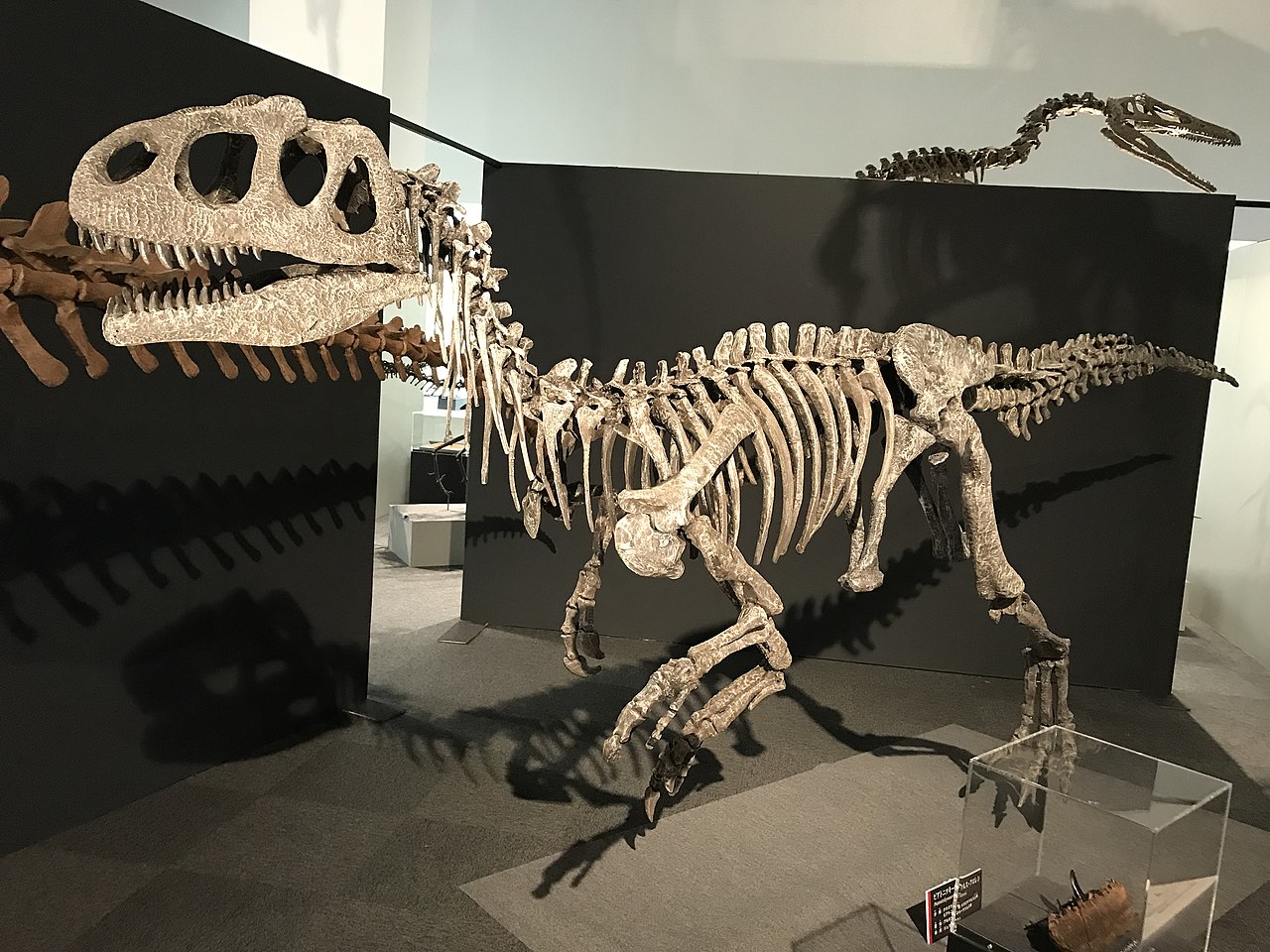
Piatnitzkysaurus Facts For Kids
Videos & Quizzesincluded
About this topic
Piatnitzkysaurus was a fascinating dinosaur that roamed the Earth during the Late Jurassic period, around 150 million years ago! 🌍This dinosaur lived in what is now Argentina, South America. Piatnitzkysaurus belonged to a group called "sauropterygians," which included large meat-eating dinosaurs. It was discovered in a place called the “Cañón de la Siete Colores,” known for its colorful rock formations. Piatnitzkysaurus was a 20-foot-long dinosaur with a long neck, sharp teeth, and strong legs, making it an impressive predator of its time! 🦖
Explore with ChatDinoKey Points
Fossils of Piatnitzkysaurus have been found in several locations in Argentina, part of a fossil site called "Cañadon de la Siete Colores."
Piatnitzkysaurus lived in the lush, green forests of Argentina during the Late Jurassic period.
The name "Piatnitzkysaurus" comes from the famed Argentine paleontologist José F.
Piatnitzkysaurus may not be as famous as T. rex or Velociraptor, but it has appeared in some dinosaur books and documentaries!
Piatnitzkysaurus was a large dinosaur, measuring about 6 meters (20 feet) long!
Piatnitzkysaurus was a carnivore, which means it ate meat!
Piatnitzkysaurus is essential for paleontology, the study of ancient life and dinosaurs.
Piatnitzkysaurus likely had a social life and may have lived in groups.
Photos of Piatnitzkysaurus

Life restoration and size comparison


Condorraptor currumili .
🏞️ Fossil Record
Fossils of Piatnitzkysaurus have been found in several locations in Argentina, part of a fossil site called "Cañadon de la Siete Colores." 🏞️ This area has provided many important fossil discoveries about dinosaurs. Like other dinosaur fossils, scientists study these remains to learn about their size, shape, and appearance. Fossils offer clues about where dinosaurs lived and how they adapted to their environment. Never forget that fossils are like time capsules, giving us a glimpse into a far-away world!
Go deeper🌲 Habitat And Ecology
Piatnitzkysaurus lived in the lush, green forests of Argentina during the Late Jurassic period. 🌲These forests were full of different types of plants, ferns, and conifer trees! This dinosaur likely lived in an area with rivers and lakes, where it could find plenty of food. The climate was warm and humid, making it a perfect place for dinosaurs to thrive. Other dinosaurs, like giant sauropods and pterosaurs, also roamed this area, creating a dynamic ecosystem! 🦕
Go deeper🏔️ Discovery And Naming
The name "Piatnitzkysaurus" comes from the famed Argentine paleontologist José F. Bonaparte, who named it in 1979. It means “Piatnitzky’s lizard” after a local scientist, Dr. Piatnitzky, who contributed to paleontology. The first fossils of Piatnitzkysaurus were discovered in the Patagonia region of Argentina. 🏔️ Fossils are remains of ancient organisms that help scientists study dinosaurs. The bones were found in rocks called "sedimentary rocks," which form from mud, sand, and tiny particles over millions of years. This exciting discovery helped scientists learn about this particular dinosaur!
Go deeper📚 Pop Culture References
Piatnitzkysaurus may not be as famous as T. rex or Velociraptor, but it has appeared in some dinosaur books and documentaries! 📚🐉 Many dinosaur fans love to learn about lesser-known dinosaurs like Piatnitzkysaurus. You might find it in animated films, educational shows, or even as a toy! Many children enjoy exploring the world of dinosaurs and discovering their many unique species, each with its own story to tell. Keep an eye out for this fascinating predator in your next dinosaur adventure! 🌟
Go deeper🦖 Physical Characteristics
Piatnitzkysaurus was a large dinosaur, measuring about 6 meters (20 feet) long! 🦖It had a long, skinny body supported by strong legs that helped it run and hunt for food. Its skull was filled with sharp teeth, perfect for tearing the flesh of the animals it would eat. The dinosaur also had a long tail, which helped it balance while running. Piatnitzkysaurus was bipedal, meaning it walked on two legs, and it had long arms, too! These traits made it an efficient and speedy predator in its environment.
Go deeper🥩 Diet And Feeding Behavior
Piatnitzkysaurus was a carnivore, which means it ate meat! 🥩Its sharp teeth were perfect for biting into the flesh of smaller dinosaurs and other animals that lived in its habitat. Scientists believe it might have hunted in packs, working together to catch food. Piatnitzkysaurus was known for its speed and agility, helping it chase down its prey. It might have also scavenged for leftovers from larger dinosaurs, making it a versatile predator. This ability to adapt helped it survive in the competitive world of dinosaurs!
Go deeper🦖 Significance In Paleontology
Piatnitzkysaurus is essential for paleontology, the study of ancient life and dinosaurs. 🦖By learning about this dinosaur, scientists gained valuable insights into the diverse ecosystems of the Jurassic period. The study of Piatnitzkysaurus also helps researchers understand the evolutionary history of meat-eating dinosaurs. Important discoveries like this improve our knowledge of how different dinosaur species lived, interacted, and evolved over millions of years. This understanding can teach us more about our planet's history!
Go deeper🦖 Behavior And Social Structure
Piatnitzkysaurus likely had a social life and may have lived in groups. 🦖Being in a group could have helped them find food and protect themselves from larger predators. Social behavior is essential for many animals; it allows them to communicate, share resources, and support each other. These dinosaurs might have used sounds and body language to express themselves. Playing, if they did, could help young Piatnitzkysaurus learn how to hunt and interact with other dinosaurs.
Go deeper