Phyllanthus Emblica Facts For Kids
Phyllanthus emblica, also known as Indian gooseberry or amla, is a deciduous tree from the Phyllanthaceae family, celebrated for its nutrient-rich fruit and cultural significance in India.
Select reading age
Phyllanthus Emblica Facts For Kids
Videos & Quizzesincluded
About this topic
Phyllanthus emblica, also known as the Indian gooseberry or Amla, is a super cool tree native to tropical and subtropical regions, especially in India! 🌳It can grow up to 15 meters tall and is known for its round green fruits. This tree is special because it produces delicious berries that people have enjoyed for centuries! Amla is not only a tasty snack; it is also packed with nutrients. It’s like nature’s candy! 🍬Kids love to learn about this tree because it plays an important role in both nature and human life.
Explore with ChatDinoKey Points
Phyllanthus emblica is used in traditional medicine to treat many ailments.
The good news is that Phyllanthus emblica is considered a species of “Least Concern” according to the IUCN, meaning they are not currently at risk of extinction!
Amla is an important crop in many countries, particularly in India.
Phyllanthus emblica produces flowers that are most commonly yellowish-green.
Growing Phyllanthus emblica is relatively easy!
In India, Amla holds a very special place in culture!
This tree is known for its striking appearance.
Amla is a superfood packed with nutrients!
Amla belongs to the family Phyllanthaceae and its scientific name is Phyllanthus emblica.
Phyllanthus emblica mainly grows in India, but you can also find it in other countries like Nepal, Bangladesh, and Sri Lanka.
Photos of Phyllanthus Emblica

Phyllanthus Emblica — photo 1

Phyllanthus Emblica — photo 2

Phyllanthus Emblica — photo 3

Phyllanthus Emblica — photo 4

表面棕褐色至墨綠色,有淡黃色顆粒狀突起

Phyllanthus Emblica — photo 6


Phyllanthus Emblica — photo 8

Phyllanthus Emblica — photo 9
🌱 Medicinal Uses
Phyllanthus emblica is used in traditional medicine to treat many ailments. 🌱In Ayurveda, Amla is known for its healing powers. People use it to improve their digestion, boost their immune system, and promote healthy skin. 🌟The fruit can also be made into powders and pastes for various natural remedies. Some people even believe that Amla helps improve memory and keeps hair healthy! 🧠💇♂️ So, eating Amla not only provides deliciousness but also helps keep us feeling great!
Go deeper🌳 Conservation Status
The good news is that Phyllanthus emblica is considered a species of “Least Concern” according to the IUCN, meaning they are not currently at risk of extinction! 🌳However, it’s important to make sure we don’t harm the trees or their natural habitats. Protecting forests and planting more Amla trees can help keep this amazing tree thriving for generations to come! 🌱We can all play a part in conservation by respecting nature and promoting sustainable practices. Let's save our superstar, Amla!
Go deeper💰 Economic Importance
Amla is an important crop in many countries, particularly in India. 💰Farmers grow Amla for its fruits which they sell in local markets, and also turn into jams, jellies, and pickles! 🥫Besides being tasty, Amla is processed into beauty products like shampoos and oils because of its beneficial properties. The demand for Amla is growing globally due to its health benefits, creating job opportunities for many people. So, this little fruit helps boost both health and the economy! 🌍
Go deeper🌼 Reproductive Biology
Phyllanthus emblica produces flowers that are most commonly yellowish-green. 🌼These flowers bloom in the spring and are very small, often unnoticed. The flowers are full of pollen and attract tiny insects, like bees, that help with pollination. 🍯Once the flowers are pollinated, they transform into the round fruits we know and love! A single tree can produce hundreds of fruits each year, allowing people to enjoy their tangy flavor! The fruit ripens during the monsoon season and is usually ready to pick around September and October.
Go deeper🌼 Cultivation Practices
Growing Phyllanthus emblica is relatively easy! 🌼It needs plenty of sunlight and well-drained soil to flourish. Farmers often plant young Amla seedlings during the rainy season to help them grow strong. The trees need water, but they don’t like to be flooded! 💧Pruning the trees helps them grow better and produce more fruits. Farmers usually start picking the fruits when they turn bright green! 🤩Those delicious Amla fruits are loved by many and can be enjoyed fresh or used in cooking!
Go deeper🌍 Cultural Significance
In India, Amla holds a very special place in culture! 🌍People have used it for thousands of years in their food, traditions, and medicine. It's often mentioned in ancient texts and is considered a symbol of health and wellness. Kids, there’s a special festival called Amla Navami where people celebrate this amazing fruit! 🎉It’s also an important part of Ayurveda, a traditional medicine system, where it’s believed to promote good health! So, Amla is not just a tasty snack but part of a rich cultural heritage too!
Go deeper🌲 Morphological Features
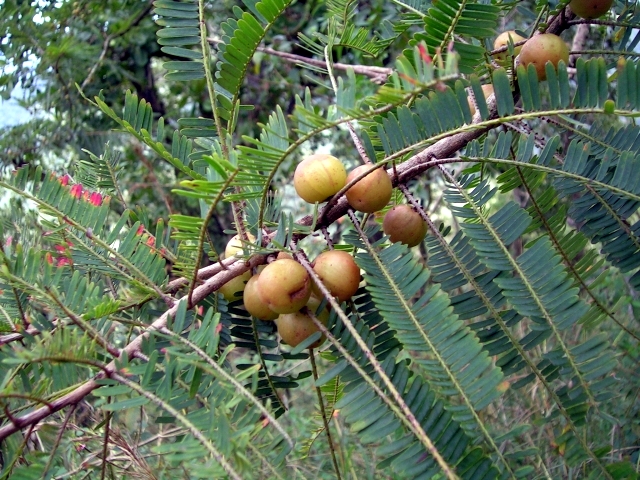
This tree is known for its striking appearance. 🌲It has a smooth, greyish-brown bark and grows dense, lush green leaves that are small and oval-shaped. The leaves grow in pairs, making the tree look like it's wearing a green skirt! 🌿Amla fruits are round, about the size of a golf ball, and are usually greenish-yellow when ripe. They have a hard skin and are full of delicious, juicy pulp. The overall look of the Amla tree, with its delicate foliage and rounded fruits, is quite picturesque! 🌅
Go deeper💪 Nutritional Properties
Amla is a superfood packed with nutrients! 💪A single fruit contains more vitamin C than an orange! 🍊It is also rich in antioxidants, which help keep us healthy. Amla contains fiber, making it great for digestion, and has iron, calcium, and other minerals that support our bodies. Kids can eat Amla fresh, dried, or even as juice! Drinking Amla juice boosts our immune system and helps us fight off colds. Amla is like a superhero in the fruit kingdom! 🦸♂️
Go deeper🌿 Botanical Classification
Amla belongs to the family Phyllanthaceae and its scientific name is Phyllanthus emblica. 🌿It falls under the order Malpighiales. There are many species of Phyllanthus, but Amla is the most famous! The tree has small, alternate leaves that look like little green feathers. 💚It produces small yellow-green flowers, which later turn into those yummy fruits that everyone loves! The fruit has a unique sour taste, making it very special in cooking and traditional medicine.
Go deeper🌏 Habitat And Distribution
Phyllanthus emblica mainly grows in India, but you can also find it in other countries like Nepal, Bangladesh, and Sri Lanka. 🌏It loves warm, sunny climates and thrives in regions with rich, well-drained soil. Interestingly, the tree can grow at elevations ranging from sea level to 2,000 meters high! 🌄You might see it in forests, orchards, and even in villages because of how helpful it is to people. Amla trees can live for many years, providing their fruits for generations!
Go deeper