Phlegyas Facts For Kids
Phlegyas, in Greek mythology, is the vengeful deity associated with fire and the guardian of the Underworld, symbolizing wrath and justice against wrongdoing.

Do more with AI
Introduction
Phlegyas is a character from Greek mythology 🌟! He is known as the king of the Boeotian city of Thebes. In mythology, Phlegyas is famous for his role in the story of Apollo, the god of music and prophecy 🎶. Phlegyas had a temper and was very angry when Apollo fell in love with his daughter, Chione. This made him act rashly! He is often connected to the Underworld, as he is the ferryman who helps souls cross the River Styx, which takes them to the afterlife 🌊👻.
Historical Context
In ancient Greece, the myths helped people explain natural events and human behavior ✨. Phlegyas's story relates to the Greeks' beliefs about gods influencing their lives. The Greeks built temples and held games to honor Apollo and other deities, believing that their actions could affect the weather and seasons. Phlegyas’s tale reveals how deeply intertwined mythology was with culture, religion, and daily life in ancient times. Learning about these stories helps us understand history better 📚🌍!
Mythological Origins
Phlegyas was the son of Ares, the god of war ⚔️, and his mother was the beautiful princess Chione. In ancient Greece, people thought of gods and heroes as part of their everyday life. Phlegyas lived near Thebes, a famous city. His story teaches us about love, anger, and consequences. When he became upset that Apollo had hurt his family, he decided to burn down Apollo's temple. This story shows that everyone, even gods, can make mistakes and face repercussions for their actions 🔥.
Symbolism And Themes
Phlegyas symbolizes anger, vengeance, and the consequences of one's actions ⚡. When he was angry with Apollo, he didn’t think about the results of his actions. This teaches us that losing our cool can lead to trouble! Phlegyas's connection to the Underworld also makes him a sign of death and the afterlife. Themes of love and revenge are strong in his story, showing how emotions can lead to big problems if not controlled. This reminds us of the importance of managing our feelings carefully ❤️⚖️!
Comparative Mythology
In other cultures, we can find similar characters to Phlegyas! For example, in Roman mythology, Charon is the ferryman of the Underworld, much like Phlegyas 🌉. Charon also takes souls across the River Styx, serving a similar purpose. We can also compare Phlegyas to figures from Norse mythology, like Hel, the goddess of the dead. These stories from different cultures show that people everywhere have wondered about life and death, and how it connects us all 🌏❤️.
Lessons From Phlegyas
Phlegyas’s story teaches us important lessons. First, it reminds us to control our emotions. Acting out of anger can cause harm to ourselves and others 💔. We should think before we react, just like Phlegyas should have thought before burning down Apollo’s temple. Second, the tale shows us the power of love and the importance of family. We learn that making wise choices is key to building healthy relationships and avoiding regrets ❤️🤝!
Modern Interpretations
Today, Phlegyas is still relevant! His story appears in various movies, video games, and books about Greek mythology 🎮📚. People like to explore his character and understand the lessons he teaches. Modern retellings often highlight themes like anger management, consequences, and love. As kids learn about mythology, they can connect Phlegyas's story to their own lives, helping them grow into wise and thoughtful individuals, just like the ancient Greeks 😇🌟!
Phlegyas In Literature
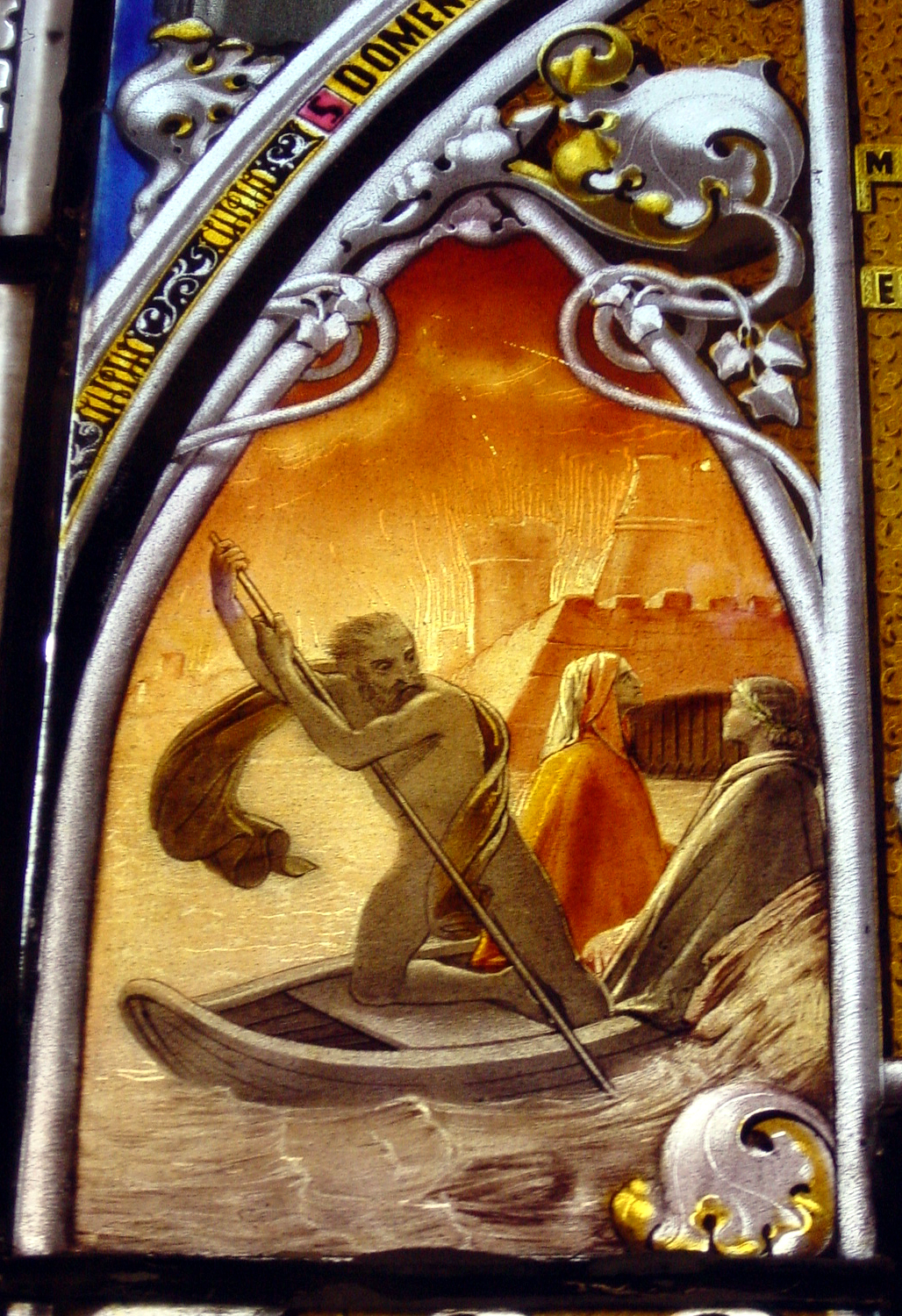
Phlegyas appears in some famous works of literature! One of the most well-known is Dante Alighieri's "Inferno" from the 14th century. In this book, Phlegyas is a guardian of the River Styx 🌊. Dante portrays him as a fierce character, warning souls about their fate. In addition, Phlegyas has been mentioned in ancient Greek plays, like those by Euripides, which often focus on emotions like love and revenge. Through these stories, we see how Phlegyas has inspired writers through the ages 📚✏️!
Phlegyas In Art And Culture
Phlegyas has left his mark on art and culture. Many painters and sculptors have depicted him in different ways, often showing him as a dark figure, reflecting his anger 🎨. Artists in ancient Greece created vases and sculptures that represent his story with Apollo. In modern culture, Phlegyas can be seen in movies, books, and video games that explore Greek mythology. Such portrayals help people learn about ancient tales and the lessons they contain 🎬📖!
Phlegyas Quiz
Learn more about Phlegyas
