Phasmatodea Facts For Kids
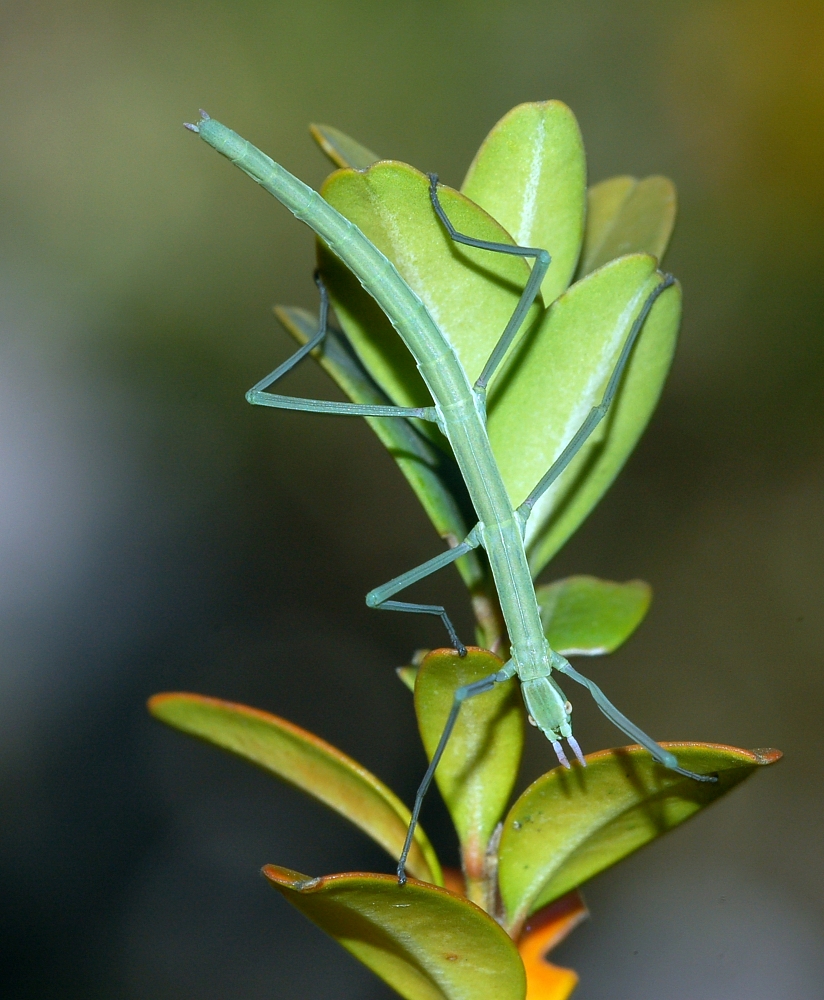
Phasmatodea, commonly known as stick insects, are fascinating insects that mimic twigs and branches to blend into their surroundings and avoid predators.
Select reading age
Phasmatodea Facts For Kids
Videos & Quizzesincluded
About this topic
Phasmatodea, also called stick insects, are amazing insects that look like twigs or branches! 🌿These clever creatures are found all over the world, especially in warm places like Australia and Southeast Asia. There are over 3,000 species of stick insects! They can change colors to blend in with their surroundings, which helps them hide from predators. Some people even keep them as pets. Phasmatodea are unique because they have long bodies and legs, making them look like pieces of wood rather than bugs. Isn’t that cool? 🌳🐜
Explore with ChatDinoKey Points
Stick insects are herbivores, which means they primarily eat plants!
Stick insects are masters of disguise!
Stick insects live in many different places around the world!
Stick insects come in all sorts of shapes and sizes!
Stick insects have a fascinating life cycle!
Stick insects play an essential role in their ecosystems!
Many stick insect species face threats from habitat loss due to deforestation and urban development!
One of the coolest things about stick insects is their camouflage!
Stick insects may not be famous like pandas, but they have interesting tales!
Photos of Phasmatodea

Mating pair of Anisomorpha buprestoides

Phasmid in marginal forest on a pitcher plant in the Philippines

Phobaeticus serratipes
![Female Phobaeticus chani, the world's second-longest insect. This species grows to a total length of 56.7 cm (22.3 in) (front legs fully extended) and body length of 35.7 cm (14.1 in).[2]](https://upload.wikimedia.org/wikipedia/commons/thumb/d/d2/Phobaeticus_chani_Bragg%2C_2008%3B_Holotype_Female_dorsal_view.jpg/960px-Phobaeticus_chani_Bragg%2C_2008%3B_Holotype_Female_dorsal_view.jpg)
Female Phobaeticus chani, the world's second-longest insect. This species grows to a total length of 56.7 cm (22.3 in) (front legs fully extended) and body length of 35.7 cm (14.1 in).[2]

Head of a female Extatosoma tiaratum

A pair of camouflaged Dares ulula

Hindwing deimatic (startle) display of a male Peruphasma schultei

Defensive pose of a subadult female Haaniella dehaanii

Eggs of various phasmid species (not to scale)
🌱 Diet And Feeding Habits
Stick insects are herbivores, which means they primarily eat plants! 🌱They enjoy munching on leaves from trees and bushes. Some of their favorites include oak, eucalyptus, and bramble leaves. Stick insects spend lots of time eating, as they need a lot of leaves to grow. They have strong mouthparts to help chew through tough leaves. 🍃Fun fact: Some stick insects can eat almost their own body weight in leaves every day! Imagine eating all that food! 🍽️
Go deeper🎭 Behavior And Adaptations
Stick insects are masters of disguise! 🎭Their special ability to blend in with nature helps them avoid being eaten by birds and other predators. When feeling threatened, they may freeze in place to look like a twig, or some can even drop off vining branches to escape! 🌿Some stick insects are also nocturnal, meaning they are active at night when it’s safer. During the day, they stay very still to hide. Their calm behavior and camouflage are essential for surviving in the wild! 🦇
Go deeper🌎 Habitat And Distribution
Stick insects live in many different places around the world! 🌎They love tropical forests, jungles, and gardens. Some stick insects can be found in countries like Australia, Brazil, and Madagascar! 🌿They prefer areas with lots of plants to hide among, as it helps them stay safe. Stick insects like warm and humid climates because they need moisture to survive. Many stay high up in trees, where they can find plenty of leaves to munch on without being seen! 🌳
Go deeper🤏 Physical Characteristics
Stick insects come in all sorts of shapes and sizes! Some can be as small as a pencil or as long as a ruler! 🤏📏 Many stick insects are green or brown, which helps them look like plants. Their legs are usually very long and skinny, like sticks. Some stick insects even have spines or bumps to look more like twigs! 🎍They have antennae on their heads that help them sense the environment around them. Also, they have wings, but not all can fly! They might use them to glide from one branch to another. 🦋
Go deeper🌼 Reproduction And Life Cycle
Stick insects have a fascinating life cycle! 🌼They can reproduce in two ways: by mating with a male or by a process called parthenogenesis, where females can lay eggs without mating! 🙈After laying eggs in the ground or on plants, they hatch into tiny versions of adults called nymphs. Nymphs look like mini adults but are usually smaller and may have different colors. 🐣Over time, they grow through several stages, changing form each time, until they become full-grown stick insects!
Go deeper🌍 Ecological Role And Importance
Stick insects play an essential role in their ecosystems! 🌍By eating leaves and plants, they help control plant growth and provide food for other animals. Birds, reptiles, and even some mammals enjoy snacking on stick bugs! 🍂As they live in trees, their presence keeps the ecosystem balanced. Plus, by being herbivores, they help recycle nutrients back into the soil! Understanding stick insects helps scientists learn about biodiversity and the importance of protecting our forests. 🌳🔍
Go deeper🏙️ Threats And Conservation Status
Many stick insect species face threats from habitat loss due to deforestation and urban development! 🏙️ Some are also hunted for pets or collectors. 🌍Due to these challenges, some species are becoming rare. Protecting their habitats and planting more trees can help keep them safe! Organizations around the world work hard to study and protect these amazing insects. 📊By raising awareness about stick insects, we can help ensure they continue to thrive in nature for years to come!
Go deeper🌿 Camouflage And Defense Mechanisms
One of the coolest things about stick insects is their camouflage! 🌿They can change color to blend into their environment, making them almost invisible! When they feel threatened, they can stand really still or mimic plants. Some species can even drop to the ground and play dead! 💤Others release a pungent smell to scare off predators. Their long, stick-like bodies help them look like real twigs, making it hard for hungry animals to spot them. Such smart tricks keep them safe in the wild! 🦜
Go deeper🌟 Cultural Significance And Folklore
Stick insects may not be famous like pandas, but they have interesting tales! 🌟In some cultures, stick insects symbolize patience and stillness because of their quiet nature. In Australia, Aboriginal artists have created beautiful paintings of stick insects, showing their importance in the ecosystem. 🖼️ In various stories and myths, their incredible ability to camouflage has made them symbols of cleverness and survival. 🌱They remind us of nature's amazing adaptability! So, next time you see a stick insect, remember that they are more than just bugs—they are fascinating creatures with a story to tell! 📖
Go deeper