Peter D. Mitchell Facts For Kids
Peter D. Mitchell was a British biochemist awarded the 1978 Nobel Prize in Chemistry for his chemiosmotic mechanism theory of ATP synthesis.
Select reading age
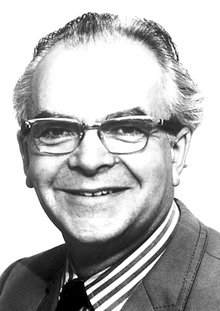
Peter D. Mitchell Facts For Kids
Videos & Quizzesincluded
About this topic
Peter D. Mitchell was a wonderful British biochemist! 🧪He was born on March 29, 1920, in a town called Mitcham, near London, England. He is best known for his amazing work on how our cells make energy. In 1978, he won the Nobel Prize for Chemistry! 🏅His exciting discovery helped scientists understand a process called chemiosmosis, which is super important for producing a molecule called ATP. ATP is like the energy "currency" of our cells, helping them do many things, including growing and moving! 🌱💪
Explore with ChatDinoKey Points
As Peter D.
Peter D.
Peter D.
Peter D.
Peter D.
After finishing his studies, Peter D.
The chemiosmotic theory is like a science puzzle that Peter D.
Peter D.
Peter grew up in a lovely home with his family.
Peter D.
Photos of Peter D. Mitchell

In chemiosmosis, ions move down their electrochemical gradient across a membrane.

The discovery of ATP synthase vindicated Mitchell's hypothesis. Today, it is well-accepted that chemiosmosis of H+ ions power the synthesis of ATP, and other biochemical processes.
🌟 Later Years
As Peter D. Mitchell grew older, he continued to share his knowledge and passion for science! 🌟He spent his later years giving talks, teaching, and inspiring young scientists around the world. He was a mentor to many, always encouraging them to ask questions and explore new ideas. 👨🏫 In 1992, he became a professor at the University of Sussex. There, he shared his love for biochemistry and educated many eager students who wanted to follow in his footsteps! Even in his later years, Peter remained curious and passionate about discovering how life works!
Go deeper📚 Publications
Peter D. Mitchell wrote many important papers and books about his discoveries! 📚One of his most famous works is called "Coupling of Energy Transfer in Mitochondria," published in 1966. He shared his findings about how energy is produced in cells! 🧠His publications helped other scientists understand the exciting world of biochemistry better. By writing about his research, he inspired many to learn more about how living things operate each day. His work is still cited today, showing how brilliant his discoveries were in understanding the tiny world within our cells! 🔍
Go deeper😊 Personal Life
Peter D. Mitchell led a fascinating personal life. 😊He married a woman named Mary, and together, they had children who loved science too! 🏡In his free time, Peter enjoyed hiking and being outdoors. He believed being close to nature sparked creativity! 🌳He was very curious about the environment and often combined his love for nature with his scientific work. Peter also loved sharing knowledge and helping others learn! His warm personality and passion for science made him a beloved figure among friends, family, and fellow scientists!
Go deeper🏆 Awards And Honors
Peter D. Mitchell received many awards for his incredible work in science! 🏆In 1978, he was honored with the Nobel Prize for Chemistry, which is one of the highest recognitions for scientists! 🎉He was also elected a Fellow of the Royal Society (FRS) in 1981, which is like joining a club for the best scientists! ✨He shared his discoveries at different conferences and events worldwide, inspiring many young scientists to explore the mysteries of life, just like he did! His dedication to science earned him respect and admiration from people everywhere!
Go deeper🌍 Legacy And Impact
Peter D. Mitchell’s legacy is enormous! 🌍He changed how we understand energy production in cells, which is crucial for biology and medicine. ⚕️ His chemiosmotic theory opened new doors for research in different areas, like how bacteria and plants produce energy! His work laid the foundation for scientists to explore further how living organisms function. 🐢Many students still learn about his theories in schools, making his impact last for generations! Thanks to Peter, we know a lot more about ATP, energy, and the amazing world of biochemistry!
Go deeper🌟 Scientific Career
After finishing his studies, Peter D. Mitchell began his scientific career! 🌟He worked at different universities, including the University of Cambridge and the University of Edinburgh. He was always full of exciting ideas! He spent many years researching chemistry, trying to connect how cells create energy. In 1961, he proposed his groundbreaking chemiosmotic theory! 🧬This theory explained how cells use a special process to make ATP, which is vital for all living things. His curiosity and determination helped him become one of the most important figures in biochemistry!
Go deeper🧩 Chemiosmotic Theory
The chemiosmotic theory is like a science puzzle that Peter D. Mitchell helped solve! 🧩He discovered that cells use a special method to make ATP, which gives us energy. This process happens in tiny parts of our cells called mitochondria, often called the "powerhouses" of the cells. ⚡️ Imagine a water wheel that turns as water flows! Like the wheel, protons flow through special parts of the cell, creating energy. This energy helps create ATP, just like magic! 🎩Thanks to Peter's work, scientists now understand how our bodies get their energy!
Go deeper🎉 Reactions To His Work
Peter D. Mitchell's work was exciting and groundbreaking! 🎉Many scientists were amazed by his chemiosmotic theory, while some were skeptical at first. 🤔However, as more research confirmed his findings, people started to celebrate his genius! His ideas changed how scientists think about energy production in cells. 🥳Researchers around the globe carried on his work, proving the importance of his discoveries. Today, students and scientists alike admire Mitchell's contributions to biochemistry. His work has inspired countless experiments and discoveries! 🌟
Go deeper🏡 Early Life And Education
Peter grew up in a lovely home with his family. 🏡He loved science from a young age! He attended the local school and liked learning about nature and how things work. Later, he studied at the University of Cambridge, where he learned even more about chemistry and biology! 🎓He was curious and asked lots of questions. Did you know he even worked in a bakery during school? 🍞It helped him understand how living things use energy! His hard work paid off when he became a famous scientist, making important discoveries about life!
Go deeper🌐 Influence On Modern Biochemistry
Peter D. Mitchell's discoveries are still important today! 🌐His chemiosmotic theory has influenced modern biochemistry and our understanding of various biological processes. Scientists now use his principles in research related to energy production, metabolism, and even renewable energy technologies! 💡His work has led to advances in medicine and environmental science, helping us find new ways to develop treatments and protect our world. 🏞️ Thanks to Peter, many future scientists are inspired to unravel the mysteries of life, continuing his legacy for generations to come! 🎓
Go deeper