Perl Facts For Kids
Perl is a high-level, versatile programming language known for its strengths in text processing and system administration tasks.
Select reading age

Perl Facts For Kids
Videos & Quizzesincluded
About this topic
Perl is a programming language created by Larry Wall in 1987! 🎉It was designed to help people write computer programs easily and quickly. It is great for tasks like writing scripts, data processing, and automating boring jobs. Perl has a friendly community of users who help each other. 🌍The name “Perl” is actually short for "Practical Extraction and Reporting Language." This means it helps you get information from data and report it in a nice format. With Perl, you can even create games or fun websites! 🕹️
Explore with ChatDinoQuick Facts
Key Points
Perl was born in the United States!
Perl is very useful for different purposes!
Perl has some cool features that make it special!
The way you write Perl code is called syntax!
Modules and libraries are like special toolkits for Perl programmers!
If you want to learn Perl, there are many fun ways to start!
In web development, Perl is a powerful tool!
The Perl community is friendly and supportive!
Photos of Perl
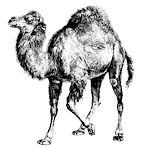
Perl — photo 1
![Camelia, the logo for the Perl 6 project[71]](https://upload.wikimedia.org/wikipedia/commons/thumb/8/85/Camelia.svg/960px-Camelia.svg.png)
Camelia, the logo for the Perl 6 project[71]
✨ History Of Perl
Perl was born in the United States! 🇺🇸 Its creator, Larry Wall, wanted to make a language that was easy to use for everyone. In 1987, he released the first version of Perl. Over time, it grew popular among programmers! In 1994, Perl 5 came out with even more features. ✨Many websites and programs use Perl because it can do so many things! As a fun fact, the name "Perl" was inspired by Wall’s jellyfish pet’s nickname – “Pearl!" 🐠 Today, Perl is still loved and used by many people worldwide! 🌏
Go deeper📊 Common Use Cases
Perl is very useful for different purposes! 📊One common use is writing scripts to automate boring tasks, like sorting files or sending emails. 📨Many people also use Perl for data analysis, which helps to extract useful information from big datasets. 📈Websites often use Perl for server-side programming, meaning it runs on the server to create dynamic web pages. 🌐Additionally, Perl is popular in bioinformatics, which involves using computers to understand biological data! 🧬
Go deeper🌟 Key Features Of Perl
Perl has some cool features that make it special! 🌟It can handle text manipulation really well, which is super helpful for working with words and sentences. Perl also supports object-oriented programming, meaning you can create your own objects, like a toy or a game character! 🧸It follows a “Write Once, Run Anywhere” rule – you can run a Perl program on different computers without changing it! 😊Plus, Perl can easily connect with databases, which helps store lots of information safely! 💾
Go deeper📝 Syntax And Structure
The way you write Perl code is called syntax! 📝In Perl, you usually start with a command called "print," which makes the computer say things. For example: `print "Hello, world!";` will make it say “Hello, world!” 😄 Variables, like boxes to store information, start with `$`. For example, `$name = "Alice";` keeps Alice's name in the box! 🏷️ You can also use loops, like `for` and `while`, to repeat tasks. Learning Perl's syntax is like learning the secret language of computers! 🚀
Go deeper🧰 Modules And Libraries
Modules and libraries are like special toolkits for Perl programmers! 🧰They contain pre-written code that makes it easier to do specific tasks. One famous library is CPAN (Comprehensive Perl Archive Network), which has thousands of modules available for use. 📚People can search for anything from text processing to web development tools. Using these modules saves time because programmers don’t have to write everything from scratch! So, if you want to send an email or manipulate images, there’s likely a Perl module for it! 📧🖼️
Go deeper🌈 Learning And Tutorials
If you want to learn Perl, there are many fun ways to start! 🌈Websites like Codecademy and freeCodeCamp offer lessons that turn learning into a game! 🎮You can practice writing code and see your results in real-time! YouTube has great videos explaining Perl concepts, too! 📹Don’t forget to explore Perl books for kids, like “Perl for Kids,” which make learning even more enjoyable! 📘Remember, everyone makes mistakes while learning – just keep trying and have fun with programming! 🌟
Go deeper💻 Perl In Web Development
In web development, Perl is a powerful tool! 💻It works well with web servers to create dynamic websites. One of the popular web frameworks is CGI (Common Gateway Interface), allowing Perl programs to interact with visitors on a website. 🖱️ Developers can write scripts to handle forms and data submissions using Perl! Also, with modules like Dancer and Mojolicious, making web applications becomes even easier! 🏗️ From blogging platforms to online shops, Perl helps build awesome features that people love! 🛒
Go deeper🤝 Perl Community And Resources
The Perl community is friendly and supportive! 🤝There are many forums, websites, and online groups where programmers share tips and tricks. Perl.org is great for getting started and learning new things! 🖥️ At events like YAPC (Yet Another Perl Conference), people come together to celebrate Perl, share projects, and learn from each other. 📅You can find coding buddies and make new friends! There are also lots of tutorials and books to help you learn Perl – like "Learning Perl!" 📖
Go deeper