Pepsin Facts For Kids
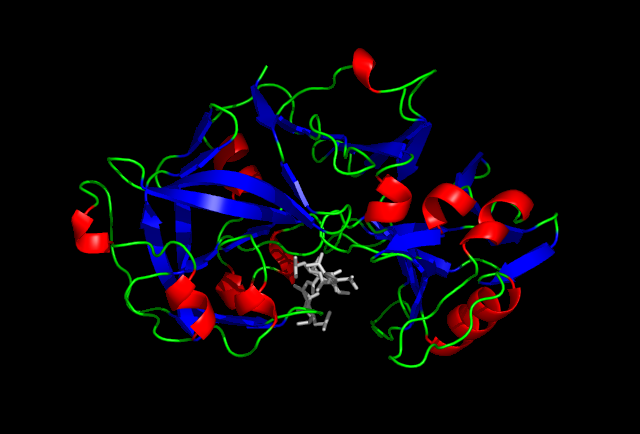
Pepsin is an important enzyme in our stomachs that helps break down proteins into smaller pieces for digestion and nutrient absorption.
Select reading age
Pepsin Facts For Kids
Videos & Quizzesincluded
About this topic
Pepsin is a special protein helper found in our stomachs! 🥳It helps break down food, especially proteins, into smaller pieces called peptides. This is important because it makes it easier for our bodies to absorb nutrients. Pepsin was discovered by a scientist named Theodor Schwann in 1836. It is one of the first steps in digestion, which happens after we eat yummy foods like meat, beans, and eggs. Pepsin loves to work in an acidic stomach environment, which is why it does its job best when we eat! 🍽️
Explore with ChatDinoKey Points
Pepsin is an enzyme, which is a protein that helps speed up chemical reactions in the body!
Our bodies actually make pepsin!
Pepsin isn’t only important for digestion; it is also used in medicine!
Scientists are always looking for new ways to study pepsin!
Pepsin is essential for healthy digestion.
Pepsin helps with something called protein hydrolysis.
Did you know pepsin is super strong?
Pepsin begins its job as a different form called pepsinogen.
Pepsin's job in digestion is super important!
Pepsin is just one of many digestive enzymes!
Photos of Pepsin

Beeman's Pepsin Gum

Adams Pepsin Tutti Frutti Gum, marketed "For relief of indigestion and dyspepsia"
🌟 What Is Pepsin?
Pepsin is an enzyme, which is a protein that helps speed up chemical reactions in the body! 🌟It is made in the stomach from a larger protein called pepsinogen. Imagine pepsin as a tiny superhero that fights and breaks down the big proteins in your food. 🦸♂️ When you eat, your stomach produces pepsin to help with digestion. Without pepsin, it would be much harder for our bodies to get the good stuff from the food we eat, like energy and healthy building blocks!
Go deeper🌟 Sources Of Pepsin
Our bodies actually make pepsin! 🌟Every time you eat, your stomach produces it to help you digest food. Some foods are rich in proteins, which are great sources; these include meat, cheese, fish, eggs, and beans! 🌱When you eat these foods, pepsin gets busy breaking them down. While we don’t find pepsin in food, eating protein-rich foods helps our body create more pepsin, so it can digest all the yummy things we enjoy!
Go deeper🏥 Pepsin In Medical Use
Pepsin isn’t only important for digestion; it is also used in medicine! 🏥Sometimes, doctors give pepsin to people who have trouble digesting proteins. They can take it in pills or liquids to help. It can also help heal wounds and help in skin treatments! 🌟Scientists look for ways to use pepsin to make medicines better and improve people's health. Pepsin is even used in food processing and cheese making! 🧀How amazing is that?
Go deeper🔍 Future Research On Pepsin
Scientists are always looking for new ways to study pepsin! 🔍They want to learn more about how it works in our bodies and how it affects our health. Some researchers think pepsin could help in treatments for conditions like food allergies and digestive problems. They’re also studying how we can create better medicines using pepsin! 🧪Future discoveries could help improve the way our bodies digest food and even help people feel better. The world of pepsin is full of exciting possibilities! 🌟
Go deeper🍏 Health Implications Of Pepsin
Pepsin is essential for healthy digestion. 🍏If you don’t have enough pepsin, your body might have trouble breaking down proteins, which can make you feel yucky! 😢But don’t worry! Most people produce enough pepsin. If someone doesn’t, they might need to eat more protein-rich foods or even take medication! 🍳It's important to listen to your body and talk to a doctor if you experience digestion problems. Remember, pepsin helps us stay energetic and healthy!
Go deeper💧 Pepsin And Protein Hydrolysis
Pepsin helps with something called protein hydrolysis. 💧This is just a fancy way to say that pepsin breaks proteins into smaller pieces! When pepsin sees a protein, it gets to work, cutting it into smaller parts called peptides! These peptides can then be further broken down into the necessary amino acids our bodies use. 🚀Each amino acid has a special job, like building muscles and making hormones. Thanks to pepsin, our bodies are filled with energy and strength!
Go deeper💪 Interesting Facts About Pepsin
Did you know pepsin is super strong? 💪It can break down meat proteins at a faster rate than other enzymes! If your stomach made a noise when you were hungry, that’s the sound of pepsin getting ready to work! 🎉Pepsin was one of the first enzymes to be discovered and studied, helping scientists learn more about digestion! This amazing superhero enzyme can even work in different temperatures, showing just how cool and powerful it is! 🌍
Go deeper🦸♀️ Pepsin Activation And Function
Pepsin begins its job as a different form called pepsinogen. 🦸♀️ When food enters the stomach, an acid called hydrochloric acid activates pepsinogen and turns it into pepsin! This activation happens in a special part of the stomach called the gastric lumen. Pepsin then starts gobbling up proteins and breaking them down into smaller pieces! 😋So, in a way, pepsin is like a superhero that comes alive when food is around, ready to save the day by assisting in digestion!
Go deeper🥳 The Role Of Pepsin In Digestion
Pepsin's job in digestion is super important! 🥳When food enters our stomach, pepsin starts to break it down into smaller pieces. This is the first step in digestion, which allows our bodies to absorb vitamins and minerals. When we eat proteins like chicken or cheese, pepsin helps turn them into small bits, called amino acids, which our bodies need to grow strong and healthy! 💪The better pepsin does its job, the less work the rest of our digestive system has to do!
Go deeper🌈 Pepsin Vs Other Digestive Enzymes
Pepsin is just one of many digestive enzymes! 🌈Other enzymes include amylase (which breaks down carbohydrates like bread) and lipase (which deals with fats like butter). Each enzyme has its special job. While pepsin works mainly in the stomach and loves proteins, amylase works in the mouth and helps with starches, and lipase works in the small intestine to break down fats! 🥪🔍 Each enzyme is like a puzzle piece that helps complete the process of digestion!
Go deeper