The Peace of Utrecht was a series of treaties signed to end the War of the Spanish Succession, helping to create a more balanced power structure in Europe.

Set reading age
View for Kids
Easy to read and understand
View for Students
Clear, detailed explanations
View for Scholars
Deep dives and big ideas
The Peace of Utrecht was super important! ✌️ It was a group of treaties signed between April 1713 and February 1715. These treaties ended the War of the Spanish Succession, which lasted from 1701 to 1714. The war involved many countries fighting over the Spanish throne. The treaties were signed in Utrecht, which is in the Netherlands. 🌍They helped create peace in Europe, so people could focus on rebuilding their lives! The agreement included rules and changes to borders. It was a big step towards cooperation between countries and helped shape Europe for many years to come. 🎉
Many countries took part in the War of the Spanish Succession! ⚔️ The main ones were France and Spain, led by King Louis XIV, and the Grand Alliance, which included England, the Dutch Republic, and Austria. The British wanted to stop France from getting stronger. 💪Other countries like Portugal and Prussia also joined the fun. Each participant had their own goals, making the situation even more complicated! Many important leaders tried to negotiate for peace, hoping to create a better future for their people. 🌈Ultimately, they all met in Utrecht to find a solution!
Diplomacy played a huge role in the Peace of Utrecht! 🕊️ Diplomats are like peacemakers who talk instead of fighting. They worked hard to bring together leaders from different countries to negotiate terms. The goal was to end the War of the Spanish Succession and find common ground. Lots of discussions happened in Utrecht, and the diplomats had to listen to everyone's opinions. By talking, they could find solutions that helped prevent more wars. 🌈This showed how important diplomacy is in keeping peace in the world!
When the Peace of Utrecht was announced, people had mixed reactions! 🎉Many were relieved and celebrated because the fighting was finally over. They wanted to go back to their normal lives and rebuild. However, others were unhappy with the changes, especially those who lost land or power. 🎭Some feared new conflicts could arise from the treaties. People shared different opinions in the cities, and there were public gatherings discussing the news! Overall, it marked a turning point in attitudes toward peace and cooperation, setting the stage for future agreements. 🤝
The legacy of the Peace of Utrecht is still felt today! 🌍It marked a major turning point in European history, showing the importance of negotiation and cooperation. The balance of power established in 1713 helped nations avoid big wars for a long time. The treaties influenced how countries interacted, and they learned that discussing problems together is better than fighting. 🗣️ Many modern diplomacy practices came from the lessons learned during these treaties. The Peace of Utrecht is remembered as a sign of hope for peaceful resolutions in conflicts!
The Peace of Utrecht also had huge economic effects on Europe! 💰After the war, countries needed to rebuild. For instance, Britain benefited greatly from its new territories. Gibraltar allowed it to control important trade routes! 📈Spain faced many challenges and had to find ways to recover economically. The treaties encouraged trade, which helped countries grow stronger. Without the peace agreement, countries could have struggled with more fighting, hurting economies even more. The treaties basically opened up new doors for trade and economic partnerships among nations! 🚪
The Peace of Utrecht not only ended the war but also changed politics in Europe! 🌟After the treaties, France was still powerful but couldn’t expand its territory as easily. The treaties limited the power of the Bourbon family. The balance of power among countries became very important. Nations started to work together more to avoid wars in the future. This cooperation helped form a modern political system that still exists today! Allies were created, and as cooperation improved, people were able to solve their problems peacefully. 💬
To remember the Peace of Utrecht, people celebrate with special events! 🎈In Utrecht, there are exhibitions and local festivals that talk about this historical event. Schools also teach about it, helping kids understand how important it was for peace in Europe. Books and documentaries are created to share stories about the war and the treaties. 📚These commemorative events help ensure that future generations remember how diplomacy can create lasting change and peace. By celebrating this peaceful agreement, we continue to value the importance of working together in harmony! 🕊️
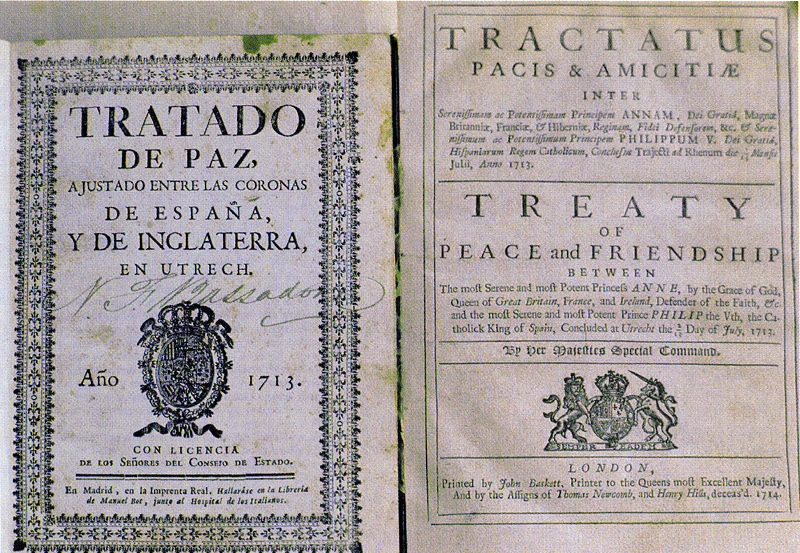
The Peace of Utrecht consisted of several key treaties! 📜The most important ones were signed between April 1713 and February 1715. The first treaty was signed in April 1713, agreeing to end the war. It had many articles, each focusing on different issues, like who could rule Spain. Another important treaty was signed with France and Great Britain in July 1713. Each treaty helped to define new borders and shared power in European lands. By working together, the countries aimed to create better relationships and avoid future wars. 🤝
The Peace of Utrecht brought many territorial changes! 🌍For example, Spain lost parts of its European territories, like Gibraltar, which was given to Britain. This allowed Britain to control an important shipping lane. Also, France gave up some land in Canada to the British. 🇨🇦 These changes shaped how countries interacted after the war. The new borders made some people happy and others unhappy. It was the beginning of new friendships and alliances while also creating tensions that would last for years. Understanding these changes helps us learn about Europe's history! 📚
The War of the Spanish Succession began because of a very big question: who would be the next king of Spain? 👑After the death of King Charles II of Spain in 1700, many countries wanted to control the Spanish throne. France and Spain were ruled by the same family, the Bourbons, and this scared other countries. They feared that France would become too powerful! So, a lot of countries, including England and Austria, joined the fight. ⚔️ The war lasted a long time and involved many battles across Europe. By 1713, they realized it was time for peace!


DIY is a creative community where kids draw, build, explore ideas, and share.
No credit card required