Papaveraceae Facts For Kids
The Papaveraceae, also known as the poppy family, is an important group of flowering plants comprising about 42 genera and 775 species found globally, known for their beauty and medicinal properties.
Select reading age

Papaveraceae Facts For Kids
Videos & Quizzesincluded
About this topic
The Papaveraceae family, also known as the poppy family, is a group of flowering plants that includes around 775 species! 🌼These plants are found all over the world, from the sunny fields of California to the forests of Europe. There are about 42 different types, or genera, of poppies. Poppies are special because they come in many colors, like red, yellow, and even blue! 🌈They have beautiful flowers that can attract butterflies and bees, making them very important for our environment.
Explore with ChatDinoKey Points
Some poppies are not just pretty; they can be used in cooking too!
One of the most famous species is the red poppy (Papaver rhoeas).
Did you know that the opium poppy can produce a special sap called latex?
Poppies have been used in medicine for thousands of years!
Poppies have a special place in many cultures around the world!
Poppies are important for the environment!
Poppies can grow in many places, including meadows, gardens, and even mountains!
Some poppy species face threats, like habitat loss and climate change.
The Papaveraceae family belongs to the order Ranunculales.
Poppies have unique features that make them stand out!
Photos of Papaveraceae

Horned poppy (Glaucium sp.)


Papaveraceae — photo 3

Corydalis aurea at Chaco Culture National Historical Park, New Mexico, USA

Papaveraceae — photo 5
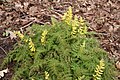
Corydalis cheilanthifolia : Habitus.

Papaveraceae — photo 7

Papaveraceae — photo 8

Papaveraceae — photo 9
🍽️ Culinary Uses
Some poppies are not just pretty; they can be used in cooking too! 🍽️ The seeds from the opium poppy are often used in bakery products, like bread and pastries. You might find these tiny seeds sprinkled on bagels, giving them a lovely crunch! 🌟These seeds are tasteless, but they add a nice texture to dishes. However, it is important not to eat the raw parts of the plant, as they can be harmful!
Go deeper🌹 Notable Species
One of the most famous species is the red poppy (Papaver rhoeas). 🌹It grows in many parts of the world and is often seen in fields. Another notable species is the opium poppy (Papaver somniferum), which is used to make medicines. The California poppy (Eschscholzia californica) is bright orange and is special because it is the state flower of California! 🌄Each of these species is important for nature in different ways.
Go deeper🌿 Interesting Facts
Did you know that the opium poppy can produce a special sap called latex? 🌿This sap is what people use to create medicines! Poppies can also grow in many colors, and there is even a type called the purple poppy! 💜Poppies have inspired famous works of art, including paintings and poems, and they symbolize beauty and hope around the world. Isn't that fascinating? ✨
Go deeper💊 Medicinal Properties
Poppies have been used in medicine for thousands of years! 💊The opium poppy (Papaver somniferum) is famous for its strong medicine called opium. This medicine can help relieve pain! Doctors carefully use it because it is very powerful. Other poppies are believed to have calming effects and help with sleep. 🌙Always ask an adult or a doctor before trying any medicines made from plants!
Go deeper🎉 Cultural Significance
Poppies have a special place in many cultures around the world! 🎉In many countries, red poppies are a symbol of remembrance for those who served in the military. For example, on Remembrance Day, people wear poppy flowers to honor fallen soldiers. The poppy is also featured in art, poetry, and stories, inspiring many creative ideas throughout history! 🖌️
Go deeper🐝 Ecological Importance
Poppies are important for the environment! 🐝They attract many pollinators like bees and butterflies, helping plants grow and thrive. The seeds produced by poppies can create new plants, supporting ecosystems and providing food for wildlife. 🌳When grown in fields, poppies can improve soil health too, showing how interconnected nature can be!
Go deeper🌄 Cultivation And Habitat
Poppies can grow in many places, including meadows, gardens, and even mountains! 🌄They prefer sunny spots with well-drained soil. To grow poppies, you can plant seeds in spring or fall. They need water but should not be over-watered. 🌦️ Poppies are tough plants and can adapt to different environments, making them fun to plant in your own garden!
Go deeper🌪️ Threats And Conservation
Some poppy species face threats, like habitat loss and climate change. 🌪️ It's important to protect their homes so they can continue to grow! Conservation efforts include planting more poppy seeds in gardens and protecting natural areas where they grow. 🌻Everyone can help by learning about and caring for these beautiful plants, ensuring they flourish for future generations!
Go deeper🏷️ Taxonomy And Classification
The Papaveraceae family belongs to the order Ranunculales. It is a big family with many different types! 🏷️ The scientific name for poppies is papaver. Each genus in this family can have many species. For example, the famous California poppy is called Eschscholzia californica. 🌼It is the state flower of California! Another type is the opium poppy, known scientifically as Papaver somniferum. The classification helps scientists understand how these plants are related and different.
Go deeper🌺 Characteristics Of Papaveraceae
Poppies have unique features that make them stand out! 🌺Their leaves are often feathery or lobed, and their flowers can have four to six petals. Some poppies even have fuzzy stems! The colorful flowers usually bloom in spring and summer, attracting many insects. Many poppies have seeds inside a round case, which can pop open, scattering the seeds everywhere! 🌱This helps the plants grow in new places.
Go deeper