Panthera Facts For Kids
Panthera is a genus of large cats, including species like lions, tigers, leopards, and jaguars, known for their strength, size, and incredible hunting abilities.
Select reading age
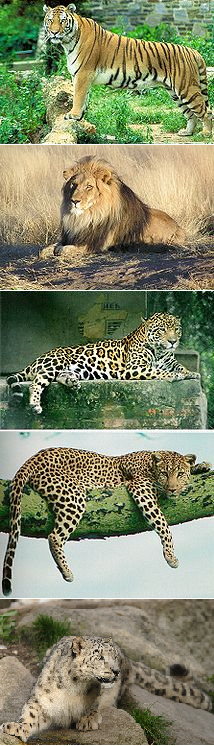
Panthera Facts For Kids
Videos & Quizzesincluded
About this topic
Panthera is a special group of big cats! 🐆This group includes four famous species: lions, tigers, leopards, and jaguars. They belong to a family called Felidae, which means they are related to house cats. Panthera cats are known for their strength, beauty, and unique sounds! 🌍Most of these majestic animals are found in forests, grasslands, or mountains. Have you ever seen a lion roar? They're also great swimmers, especially tigers! The name "Panthera" comes from the Greek word meaning "the animal" and was first used by a scientist named Carl Linnaeus in 1758.
Explore with ChatDinoKey Points
Many Panthera species are threatened due to habitat loss and poaching.
Panthera cats hold great significance in many cultures worldwide!
Panthera species live all around the world in different habitats!
Big cats in the Panthera genus are known for their impressive physical features!
When it comes to having babies, Panthera species each have unique traits!
All Panthera species are carnivores, meaning they eat only meat!
Let's break down how Panthera is classified!
Panthera cats have different behaviors and social structures.
The Panthera genus contains incredible species diversity!
Photos of Panthera


Panthera — photo 2


Panthera — photo 4

Panthera — photo 5


Panthera — photo 8

Panthera — photo 9
🌳 Conservation Status
Many Panthera species are threatened due to habitat loss and poaching. 🌳Big cats need large territories to hunt and roam, but as humans build cities and farms, their homes shrink! Tigers are currently endangered, with fewer than 3,900 left in the wild. Lions are also vulnerable, and there are only about 20,000 left in the wild. 🦁Leopards and jaguars are considered near threatened. It's important to support organizations working to protect these amazing animals so that future generations can enjoy them!
Go deeper🌍 Cultural Significance
Panthera cats hold great significance in many cultures worldwide! 🌍Lions are often seen as symbols of strength and bravery; you'll find them in coats of arms! Tigers are associated with power and courage, especially in Asian cultures. 🐅In art and literature, these big cats capture our imagination and inspire stories and legends. For example, the tiger is a prominent figure in Chinese mythology. Through these cultural representations, we learn more about the importance of Panthera cats in our world!
Go deeper🌏 Habitat And Distribution
Panthera species live all around the world in different habitats! 🌏Lions can be found mainly in the grasslands of Africa, particularly in countries like Kenya and Tanzania. Tigers prefer forests and swamps, mostly in India, Southeast Asia, and Siberia. Leopards are adaptable and can live in various environments, from rainforests to mountains in Africa and Asia. Jaguars primarily inhabit the rainforests of the Amazon in South America. Each big cat has a favorite home that helps them stay safe and find food!
Go deeper🐯 Physical Characteristics
Big cats in the Panthera genus are known for their impressive physical features! 🐯Lions are famous for their manes, which can be brown or black. Tigers have beautiful, striped fur which helps them blend into their surroundings. Leopards and jaguars have rosettes on their coats, making them unique and perfect for camouflage! 🌿Tigers can weigh up to 660 pounds, while lions are about 420 pounds. All Panthera species have sharp claws and powerful jaws, making them incredible hunters. Plus, their keen eyesight helps them spot prey in the dark!
Go deeper🐾 Reproduction And Lifespan
When it comes to having babies, Panthera species each have unique traits! 🐾Most big cats reach maturity between 2 to 4 years old. After mating, female lions have a gestation period of about 110 days before having 1 to 4 cubs. Tigers also give birth to up to 7 cubs, and their gestation lasts around 93-112 days. 🐯Leopards and jaguars usually have fewer cubs, ranging from 1 to 4. In the wild, these cats can live about 10-15 years, but in zoos, they may live longer—up to 20 years!
Go deeper🍖 Diet And Hunting Strategies
All Panthera species are carnivores, meaning they eat only meat! 🍖Lions usually hunt in groups, attacking large animals like zebras and buffalo. Tigers often stalk their prey quietly before pouncing. With their keen senses, they can smell their dinner from far away! Leopards are skilled hunters and pounce on animals like antelopes and monkeys. Jaguars are unique because they can crush turtle shells with their powerful jaws! 🐢Each species has special techniques for hunting that keep them successful in the wild!
Go deeper📚 Taxonomy And Classification
Let's break down how Panthera is classified! 📚Panthera is part of the Felidae family, which is further divided into two subfamilies: Pantherinae (big cats) and Felinae (small cats). The genus Panthera has four main species: Panthera leo (lion), Panthera tigris (tiger), Panthera pardus (leopard), and Panthera onca (jaguar). Each species has unique traits! 🦁Lions live in groups called prides, while tigers are solitary. They are all amazing predators that play vital roles in their ecosystems. The more we learn about them, the better we can protect them!
Go deeper🦁 Behavior And Social Structure
Panthera cats have different behaviors and social structures. 🦁Lions are unique because they live in groups called prides, consisting of females, their young, and a few males. This helps them take care of each other and hunt as a team. Tigers are solitary animals, meaning they prefer being alone! 🛌Leopards also like their space and are excellent climbers, often resting in trees. Jaguars are known for their strong swimming skills. All Panthera species are territorial, marking their area to keep other cats away. They communicate using roars, growls, and purrs!
Go deeper🦁 Species Diversity Within Panthera
The Panthera genus contains incredible species diversity! 🦁Lions, tigers, leopards, and jaguars all have unique adaptations that help them survive in their habitats. For example, tigers are the largest of the big cats, while leopards are known for their climbing skills. Each species contributes to the balance of their ecosystems as they keep populations of prey animals in check. 🌿As scientists discover more about these cats, they also identify subspecies, like the Siberian tiger! Protecting each Panthera species is vital for maintaining biodiversity on our planet.
Go deeper