Panpipes Facts For Kids
Panpipes are a wind instrument made of a series of tubes or pipes of different lengths, traditionally played by blowing across the top to create melodies.
Select reading age

Panpipes Facts For Kids
Videos & Quizzesincluded
About this topic
Panpipes, also known as pan flutes, are wonderful musical instruments! 🎶They consist of a series of pipes made from wood, bamboo, or plastic. The pipes are different lengths, and when you blow across the top, they create different musical notes. The longer the pipe, the lower the note it plays, and the shorter the pipe, the higher the note. Panpipes are used in many cultures around the world, especially in South America, Europe, and Asia! 🎵If you ever hear beautiful, soft music in a park or at a festival, a panpipe might just be the one making that lovely sound!
Explore with ChatDinoKey Points
Playing the panpipes is a lot of fun!
The history of panpipes dates back over 3,000 years!
Panpipes hold a special place in many cultures!
Some musicians have become famous for playing the panpipes!
Today, panpipes are excitingly combined with different music styles!
Panpipes are usually made from materials like bamboo, wood, or synthetic materials.
To keep your panpipes sounding great, they need regular care!
Different cultures have their own styles of panpipes!
Photos of Panpipes

This pan flute from the Solomon Islands is made from bamboo bound with reeds and rope
![The god Pan playing on his Pan flute. Excerpt from the Flemish magazine Regenboog. Draft for the woodcut Pan of Jozef Cantré. Published in 1918.[3]](https://upload.wikimedia.org/wikipedia/commons/thumb/4/41/Archive-ugent-be-E898690E-0C16-11E3-8D98-58C697481370_DS-24_%282%29.jpg/960px-Archive-ugent-be-E898690E-0C16-11E3-8D98-58C697481370_DS-24_%282%29.jpg)
The god Pan playing on his Pan flute. Excerpt from the Flemish magazine Regenboog. Draft for the woodcut Pan of Jozef Cantré. Published in 1918.[3]
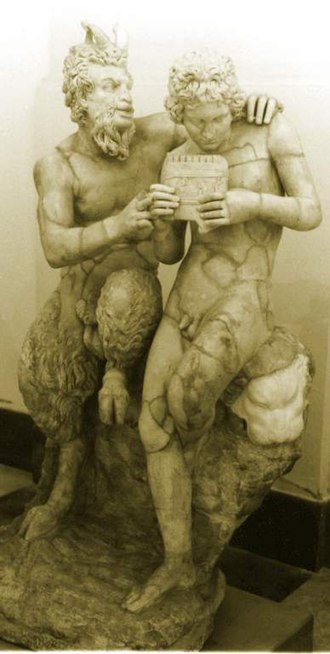
Pan and Daphnis – 1st century BC Roman replica of 2nd century BC Greek original

Two Romanian pan flutes

A Peruvian-American airman playing an Incan zampoña
 Image by Badagnani at English Wikipedia, licensed under Creative Commons Attribution-Share Alike 3.0
American musician Dom Flemons of the Carolina Chocolate Drops plays the quills, a traditional African-American pan flute, suspending it in front of his mouth with a harmonica rack
🎉 Playing Techniques
Playing the panpipes is a lot of fun! 🎉To play, you hold the pipes gently and blow across the top. It’s important to control your breath to get the right sound! Some musicians also use their fingers to cover the ends of the pipes, which can change the pitch and create different notes. 🎼You can use different blowing techniques to create soft melodies or loud, exciting sounds. Many beginner players start by practicing simple songs like “Twinkle, Twinkle, Little Star.” The more you practice, the better you will get!
Go deeper📜 History Of Panpipes
The history of panpipes dates back over 3,000 years! 📜They first appeared in ancient Greece, where they were called "syrinx" and made from reeds. The popular musician Hermes was said to have invented them. 🌾Over time, they spread to different cultures. In South America, the panpipes are called "siku" and were played by the Inca people. 🎉They used them in ceremonies and to connect with nature! Today, many cultures continue to enjoy and share the sound of panpipes, keeping this historical instrument alive for everyone to enjoy!
Go deeper🎭 Cultural Significance
Panpipes hold a special place in many cultures! 🎭In the Andes, they are often played during festivals celebrating harvests or religious events. In Greece, the syrinx was part of mythology and played by shepherds while watching their flocks! The sound of panpipes connects people to their roots, traditions, and nature. 🌳In Chinese culture, panpipes are used to perform music that tells stories of dragons and heroes. They are also a symbol of unity among communities, as people gather to listen and dance to the beautiful tunes! 🎊
Go deeper🎤 Famous Panpipe Players
Some musicians have become famous for playing the panpipes! 🎤One of the most well-known is Zamfir, a Romanian musician known as the "Master of the Pan Flute." He has sold millions of albums and performed all around the world! 🌎Another great player is Adrian O. He mixes traditional panpipe music with modern sounds. 🎶Almorad, a famous musician from Peru, also keeps the Andean traditions alive! These talented players inspire many young musicians to pick up the panpipes and create their own beautiful music!
Go deeper🎸 Panpipes In Modern Music
Today, panpipes are excitingly combined with different music styles! 🎸You can find them in pop songs, movie soundtracks, and even in electronic music! Artists like Enya and the band “The Chieftains” use panpipes to add enchanting sounds to their songs. 🎶International music festivals also feature panpipe performers from different countries, showcasing how versatile this instrument is! By blending cultures, panpipes help create music that brings people together and makes everyone want to dance! 💃
Go deeper🪵 Construction And Materials
Panpipes are usually made from materials like bamboo, wood, or synthetic materials. 🪵Bamboo is very popular because it's lightweight and strong. The pipes are cut to specific lengths, creating different notes, much like a piano keyboard! 🎹Traditionally, they’re held together using string or rope. The length of each pipe is important: longer pipes create lower notes, while shorter pipes play higher notes! 🎊Some modern panpipes are even made from plastic, which can be colorful and are often used for beginners. This variety makes each panpipe unique and fun to play!
Go deeper🧼 Care And Maintenance Of Panpipes
To keep your panpipes sounding great, they need regular care! 🧼After playing, make sure to clean them with a soft cloth to remove moisture and dirt. Avoid exposing them to rain or extreme heat, which can warp the pipes. 🌡️ If made of wood, using a little oil sometimes can help keep the wood healthy. Always store them in a safe place to prevent breakage. 🎒By taking care of your panpipes, you can enjoy sweet melodies for years to come! Happy playing! 🎵
Go deeper🌍 Types Of Panpipes Around The World
Different cultures have their own styles of panpipes! 🌍For example, in the Andes of South America, musicians play a type called "siku," which has two rows of pipes. In Romania, they have a version called "nai," which is often bigger and has a beautiful sound! 🎶In Greece, the "syrinx" has a fascinating folklore associated with it. There are also modern panpipes used in pop music and world music. 🎤Each type has its own special music and traditions, making the world of panpipes super exciting!
Go deeper