Palestine Facts For Kids
Palestine is a historic region in the Middle East that comprises the West Bank and Gaza Strip, known for its cultural heritage and ongoing political challenges.
Select reading age
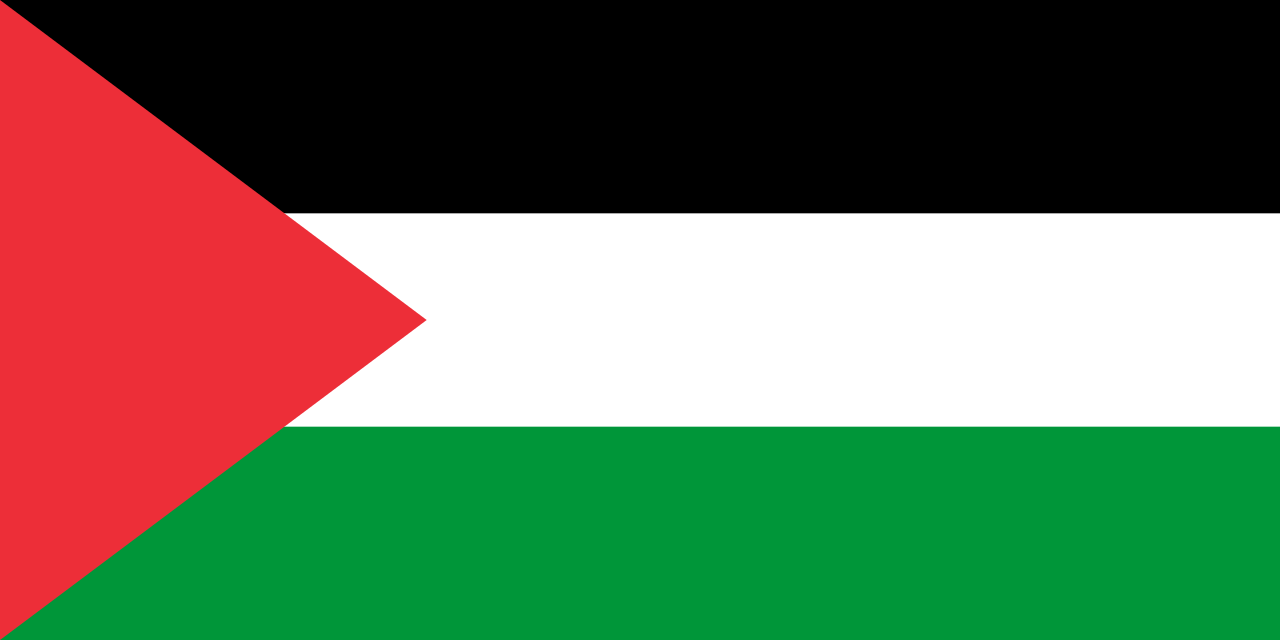
Palestine Facts For Kids
Videos & Quizzesincluded
About this topic
Palestine is a place located in the Middle East 🌍, mainly in the regions known as the West Bank and Gaza Strip. It has a rich history and a thriving culture. The official languages are Arabic and Hebrew 🗣️. Palestine is known for its ancient cities like Jerusalem, which is important to many religions. The area is home to about 5 million people who are friendly and welcoming. The olive tree 🌳 is a symbol of peace and is also one of the most famous plants grown in this region. It has deep connections to its land and traditions!
Explore with ChatDinoKey Points
Palestine has a diverse economy, with agriculture playing a significant role.
The history of Palestine goes back thousands of years!
Palestine holds great significance for various religions, including Islam, Christianity, and Judaism.
Palestine is surrounded by several countries.
Art and literature thrive in Palestine!
Palestinian culture is full of traditions, food, and celebrations!
The political situation in Palestine is complex and involves many discussions and efforts for peace.
Education is very important in Palestine.
The history of conflict in Palestine has been challenging but also encourages many peace efforts.
Photos of Palestine

Palestine — photo 1

Deir Yassin massacre of Palestinian villagers was carried out by Zionist militias, the Irgun and Lehi during the 1948 Palestine war.

Mandatory Palestine in 1946

The First Intifada in Gaza, 1987

Yasser Arafat was the first president of Palestine, serving from 1989 to 2004.

Civil unrest in Jerusalem as a result of 1994 massacre

Civil unrest in Hebron, 2000

The Church of the Nativity under siege in 2002

A demonstration against a road block, Kafr Qaddum, March 2012

Israeli settlements in the West Bank, 2012
🍅 Economy
Palestine has a diverse economy, with agriculture playing a significant role. Farmers grow olives, fruits, and vegetables 🍅. Many people also work in trade and services, including teaching and healthcare. However, the economy faces challenges due to restrictions in movement and trade. Tourism is another important part, as many visitors come to see historical sites in Jerusalem and Bethlehem. 🌟The people are resilient and work hard to improve their lives and communities. Local markets are colorful and full of life, reflecting the spirit of the people living there! 🛍️
Go deeper🕰️ History
The history of Palestine goes back thousands of years! 🕰️ This land has stories from ancient civilizations like the Canaanites and the Philistines. A very famous story in history is when King David, from the Bible, conquered Jerusalem around 1000 BC. Over time, different empires ruled the land, including the Romans and Ottomans. The 20th century was a time of great change, with many people working towards independence. In 1988, Palestine declared itself a state, and today it strives for recognition and peace with its neighbors. The past has shaped the unique identity of its people!
Go deeper🌟 Religion
Palestine holds great significance for various religions, including Islam, Christianity, and Judaism. It's home to important religious sites, such as the Al-Aqsa Mosque and the Church of the Nativity, where many believe Jesus was born. 🌟People of different faiths often live close together, and it’s common to see different religious practices and celebrations. Many festivals, like Ramadan for Muslims and Christmas for Christians, are widely celebrated. The strong connection to faith gives hope and unity to the people, making the culture even richer and more diverse! 🕌✝️
Go deeper🌊 Geography
Palestine is surrounded by several countries. To the north, it borders Israel, and to the northwest, it faces the Mediterranean Sea 🌊. The West Bank is mostly hilly, while the Gaza Strip is flat and coastal. The Jordan River flows along the eastern edge of the region, and it’s super important for both nature and history! The weather can be warm and sunny ☀️, perfect for growing delicious fruits and vegetables. Palestine's beautiful landscapes include mountains, valleys, and even some desert areas. This diversity makes it an interesting place to live and explore! 🏞️
Go deeper🎨 Art And Literature
Art and literature thrive in Palestine! Palestinian artists express their feelings and experiences through paintings, sculptures, and traditional crafts. 🎨Literature is also important, with many authors writing about their culture, history, and daily life. Children enjoy listening to stories that reflect their heritage, fostering a love for reading. Poetry is a popular form of expression, capturing the beauty and struggles of life in Palestine. Events like festivals allow artists and writers to showcase their work to the community, spreading joy and creativity! ✍️
Go deeper🎉 Culture And Society
Palestinian culture is full of traditions, food, and celebrations! 🎉Families often gather for delicious meals featuring dishes like hummus and falafel. They celebrate special events like Eid and Christmas, bringing people together with music and dancing. Art is very important too, with crafts such as embroidery and pottery. Palestinian folk dances, like the “Dabke,” are energetic and fun! Children often play games outdoors like “hide and seek” and enjoy various sports like soccer ⚽. Storytelling plays a big role in their culture, with many tales passed down from generation to generation.
Go deeper🌈 Political Situation
The political situation in Palestine is complex and involves many discussions and efforts for peace. The West Bank and Gaza Strip are controlled by different groups, and this can create tension. Many people wish for an independent state 🌈 where they can live happily and safely. Organizations like the United Nations work towards helping Palestine find a peaceful solution. The struggles for rights and freedoms are important to the people there. While challenges exist, many Palestinians remain hopeful for a future filled with cooperation and understanding! 🤝
Go deeper📚 Education And Literacy
Education is very important in Palestine. 📚Children usually begin school around the age of 6, and they study subjects like math, science, and Arabic. Many Palestinian families value education and encourage their children to learn. The literacy rate is about 97%, which means many people can read and write! Schools often hold special events and projects to inspire creativity. Universities in Palestine are also growing, providing higher education opportunities. 🎓Education helps shape hopes for a better future and allows children to dream big and achieve their goals!
Go deeper🌈 Conflict And Peace Efforts
The history of conflict in Palestine has been challenging but also encourages many peace efforts. People and organizations work together to promote understanding and cooperation. 🌈Various groups, both local and international, aim to bring about negotiations for a peaceful resolution. Events and activities that promote dialogue help children learn about friendship and the importance of solving problems without violence. Many Palestinians dream of living in peace and harmony, free from conflict. The desire for unity motivates many to work towards building a brighter future for everyone! 🤝✨
Go deeper