Pademelon Facts For Kids
Pademelons are small to medium-sized marsupials that belong to the macropod family, characterized by their compact bodies and strong hind legs, primarily found in the forests of Australia and New Guinea.
Select reading age

Pademelon Facts For Kids
Videos & Quizzesincluded
About this topic
The pademelon is a small marsupial found only in Australia and New Guinea! 🇦🇺🌏 They are part of the kangaroo family and can grow between 16 to 37 inches long, including their short tails. There are several species of pademelons, such as the red-legged pademelon, which live in forests and grasslands. Pademelons are nocturnal, meaning they are active at night and sleep during the day! 🌙They are known for their adorable appearance, with a round body, soft fur, and big eyes that help them see in the dark.
Explore with ChatDinoKey Points
Did you know that pademelons can jump up to 10 feet in a single leap?
Pademelons are generally not considered endangered, but they do face threats.
In some Indigenous Australian cultures, pademelons hold a special place in stories and folklore.
Pademelons like to live in lush, green areas where they can find food and shelter.
Pademelons are small and compact, weighing between 2 to 14 pounds!
Pademelons are herbivores, which means their diet consists mainly of plants.
Pademelons have a unique way of raising their babies.
Pademelons are shy and solitary animals.
Photos of Pademelon


Pademelon — photo 2

Pademelon — photo 3


Pademelon — photo 6


🏃♂️ Interesting Facts
Did you know that pademelons can jump up to 10 feet in a single leap? 🏃♂️ That's really impressive for such small animals! Pademelons also have a special way of sleeping. They make a small nest in leaves and grass where they can rest during the day. 💤Pademelons are also great swimmers and can dive underwater if they need to escape from danger! 🌊Their big, expressive eyes make them look adorable, and their gentle demeanor makes them a favorite among those who study and protect wildlife. 🥰
Go deeper🌱 Conservation Status
Pademelons are generally not considered endangered, but they do face threats. 🌱Habitat loss due to logging and land clearing is a big problem for them. It's important to protect their homes to ensure their survival. Some pademelon species, like the black-footed pademelon, are more at risk and need special attention for conservation. 🛡️ Many organizations work hard to create protected areas so pademelons and other wildlife have safe places to live, eat, and thrive!
Go deeper📚 Cultural Significance
In some Indigenous Australian cultures, pademelons hold a special place in stories and folklore. 📚They are seen as symbols of the forest and are admired for their agility and cuteness. Some paintings and art feature pademelons to celebrate their connection to nature. Additionally, pademelons are often studied by scientists to learn more about Australia's unique wildlife and ecosystems. 🌏This knowledge helps people appreciate and protect these delightful marsupials!
Go deeper🌳 Habitat And Distribution
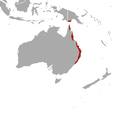
Pademelons like to live in lush, green areas where they can find food and shelter. 🌳They are mostly found in the rainforests, scrublands, and bushlands of eastern Queensland, New South Wales, and Tasmania in Australia. In New Guinea, they prefer dense forest areas. Pademelons are great at blending into their habitat with their brown or gray fur, which helps them stay hidden from predators like eagles and foxes! 🦊The pademelon's home is important for their survival, as it gives them a place to eat, sleep, and raise their young.
Go deeper🐾 Physical Characteristics
Pademelons are small and compact, weighing between 2 to 14 pounds! 🐾They have strong hind legs, which help them hop quickly and easily through the underbrush. Their front limbs are shorter and help them hold food. Pademelons have large, round ears that can swivel to hear sounds from all directions. 👂Their fur is soft and usually brown or gray, which is perfect for camouflaging in the forest. Their long tails help them balance when they hop and explore their environment!
Go deeper🥦 Diet And Feeding Behavior
Pademelons are herbivores, which means their diet consists mainly of plants. 🥦They enjoy munching on grass, leaves, fruits, and tender shoots from bushes. Since they are nocturnal, they usually venture out in the evening to find their food. Pademelons use their strong teeth to chew through tough plant material. When they eat, they use their front paws to hold onto the food, making it easier to munch! 🌿This diet helps keep their teeth healthy and strong, and it provides them with the energy they need to hop around!
Go deeper😍 Reproduction And Life Cycle
Pademelons have a unique way of raising their babies. 😍Female pademelons give birth to tiny, underdeveloped young called joeys. After birth, the blind and hairless joey crawls into its mother’s pouch, where it will stay for several months to grow. The mothers can have one or two joeys at a time, and they nurse them in the pouch until they're big enough to venture outside. 🎈As the joeys grow, they start to peek out of the pouch and eventually begin hopping around with their mother. Once they are about eight months old, they can go off on their own!
Go deeper🌌 Behavior And Social Structure
Pademelons are shy and solitary animals. 🌌They prefer to keep to themselves, but sometimes they may gather in small groups if food is plentiful. When they feel threatened, they freeze to avoid detection or quickly hop away to escape danger. Pademelons are experts at using their strong hind legs to make quick escapes! They communicate through soft calls and body language, such as thumping their back legs when alerting others to danger. 🦘These behaviors help them stay safe in their natural habitat!
Go deeper