Otter Facts For Kids
Otters are adorable, playful carnivorous mammals in the subfamily Lutrinae, found in both freshwater and marine environments.
Select reading age
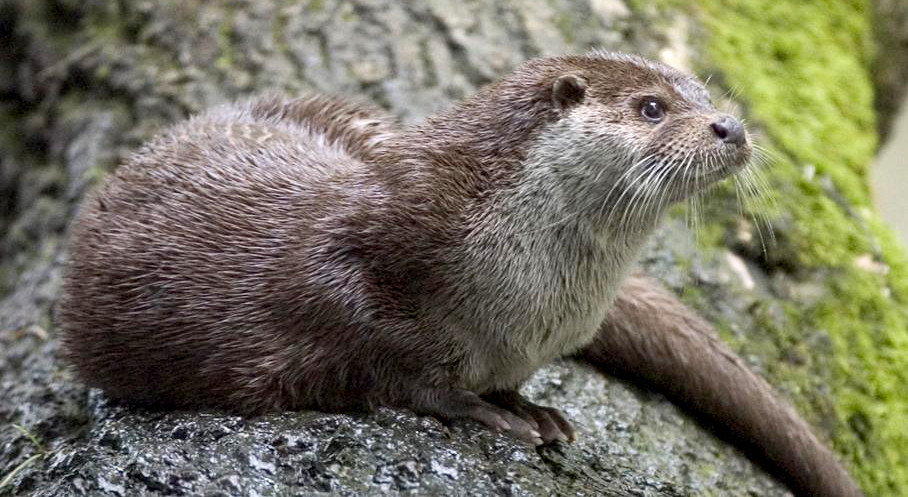
Otter Facts For Kids
Videos & Quizzesincluded
About this topic
Otters are adorable, furry mammals that belong to a group called Lutrinae. 🦦They live both in water and on land. There are 13 different species of otters around the world! They can be found in rivers, lakes, and oceans. The largest otter is the giant otter, which can grow up to 6 feet long! 🌊The smallest is the Asian small-clawed otter, about the size of a cat. Otters are great swimmers and can hold their breath underwater for up to five minutes! They are playful and are known for sliding down muddy banks for fun. 🎉
Explore with ChatDinoKey Points
Many otter species are facing threats to their survival.
Otters can be found on every continent except Antarctica!
Otters have thick, soft fur that keeps them warm in cold waters.
Otters are carnivores, which means they eat meat!
Otters are very caring parents!
Otters are quite remarkable creatures!
Otters have played important roles in stories and cultures around the world!
Otters face several threats, including pollution, loss of habitat, and hunting.
Otters are very social animals!
Photos of Otter

Otter — photo 1


Our Warm-Blooded friends Picture of an otter with a brook trout
 Image by Eric Gaba ( Sting - fr:Sting ), licensed under Creative Commons Attribution-Share Alike 3.0
Otter — photo 5


Otter — photo 7

Sign warning drivers in Benbecula in the Outer Hebrides to beware of otters on the road

Kawauso (獺) from the Gazu Hyakki Yagyō by Sekien Toriyama
🌍 Conservation Status
Many otter species are facing threats to their survival. Some otters are considered endangered due to habitat loss and pollution. 🌍The International Union for Conservation of Nature (IUCN) monitors their status and has classified some otters as vulnerable. This means they need special help to survive! Protecting rivers and oceans is essential to keep otter populations healthy. Conservation groups are working hard to create safe environments for otters and raise awareness. Everyone can help by keeping our waterways clean! 🧼
Go deeper🗺️ Habitat And Distribution
Otters can be found on every continent except Antarctica! 🗺️ They love to live near water, like rivers, lakes, and coastlines. For example, North American river otters are found from Canada down to Mexico. 🦦In Asia, you can find the Asian small-clawed otters in rivers and mangroves! Sea otters like cold waters and are usually found along the coasts of the Pacific Ocean, especially in Alaska and California. 🌊Wherever they live, otters need clean water to thrive and play! They often use rocks and logs as fun locations for sliding and playing! 🎢
Go deeper🧥 Physical Characteristics
Otters have thick, soft fur that keeps them warm in cold waters. 🧥Their bodies are long and streamlined, helping them swim easily! They have webbed toes, which act like natural flippers to help them paddle. Most otters have small ears and a flat head. Otters can weigh anywhere from 50 pounds (22 kg) for smaller species to 100 pounds (45 kg) for larger ones! 🌍Their whiskers are sensitive, helping them feel in the water even when it's dark. Otters also have sharp teeth to catch their slippery meals, like fish and crabs! 🦐
Go deeper🍽️ Diet And Hunting Techniques
Otters are carnivores, which means they eat meat! 🍽️ Their favorite food is fish, but they also enjoy crabs, mollusks, and small mammals. Some otters even hunt birds! 🎣They are excellent hunters, using their sharp eyesight and whiskers to catch their prey. River otters like to dive underwater, while sea otters use tools like rocks to crack open shells! 🪨Otters can eat about 20% of their body weight each day to stay healthy and energetic. That's like a kid eating 5 pounds of food in a day—yummy! 😋
Go deeper💕 Reproduction And Life Cycle
Otters are very caring parents! 💕After a gestation period of about 2 to 12 months, depending on the species, mama otters give birth to one to six pups. Otter pups are covered with soft fur and have their eyes closed at birth. They rely on their mothers for food and safety. 🍼Mother otters teach their pups how to swim and hunt. After about six months, the pups are ready to explore on their own, but they often stay with their family for about a year. Otters can live up to 15 years in the wild! 🎉
Go deeper🤿 Interesting Facts About Otters
Otters are quite remarkable creatures! Did you know that they can hold their breath underwater for up to five minutes? 🤿They also have a special pouch under their arms to keep their favorite rocks while swimming! Some otters are known to use tools to crack open shells, making them one of the few animal tool users! 🌟Sea otters have a thick layer of fur—up to a million hair strands per square inch—to keep warm in cold waters. Otters are playful and love to slide down slopes and play tag; they truly embody joy! 🎢
Go deeper🌏 Otters In Culture And Folklore
Otters have played important roles in stories and cultures around the world! 🌏In some Native American tales, otters are seen as symbols of playfulness and curiosity. In Japan, the otter is often featured in legends, believed to bring good luck! 🎉In Europe, people associate otters with water spirits and playful characters in children's stories. Books like "Otters Love to Play" teach kids about their fun habits! Otters remind us to embrace joy and create fun memories, just like they do in the wild! 📚
Go deeper🏗️ Threats And Conservation Efforts
Otters face several threats, including pollution, loss of habitat, and hunting. Many habitats have been damaged by human activities like urban development and farming. 🏗️ Pollution can harm the rivers and oceans they live in. Conservationists are working to protect otters by restoring their habitats and creating protected areas. 🛑Laws against hunting otters also help keep their populations safe. Educational programs teach everyone about the importance of otters in the ecosystem, and you can help too by supporting local conservation efforts! 🌱
Go deeper🦦 Social Behavior And Communication
Otters are very social animals! They often live in family groups, called rafts, which can have up to 20 otters. 🦦They love to play and chase each other in the water. Otters communicate using a variety of sounds, including growls, chirps, and whistles. 🎶They also use body language, like rolling and rubbing up against each other, to show affection. Sea otters even hold hands while they sleep to keep from drifting apart! 💤Otters are friendly creatures and enjoy spending time together. It’s just like having fun with your friends! 🤗
Go deeper