Otariidae Facts For Kids
Otariidae, commonly known as eared seals, are playful marine mammals with external ears, found in ocean habitats worldwide.
Select reading age
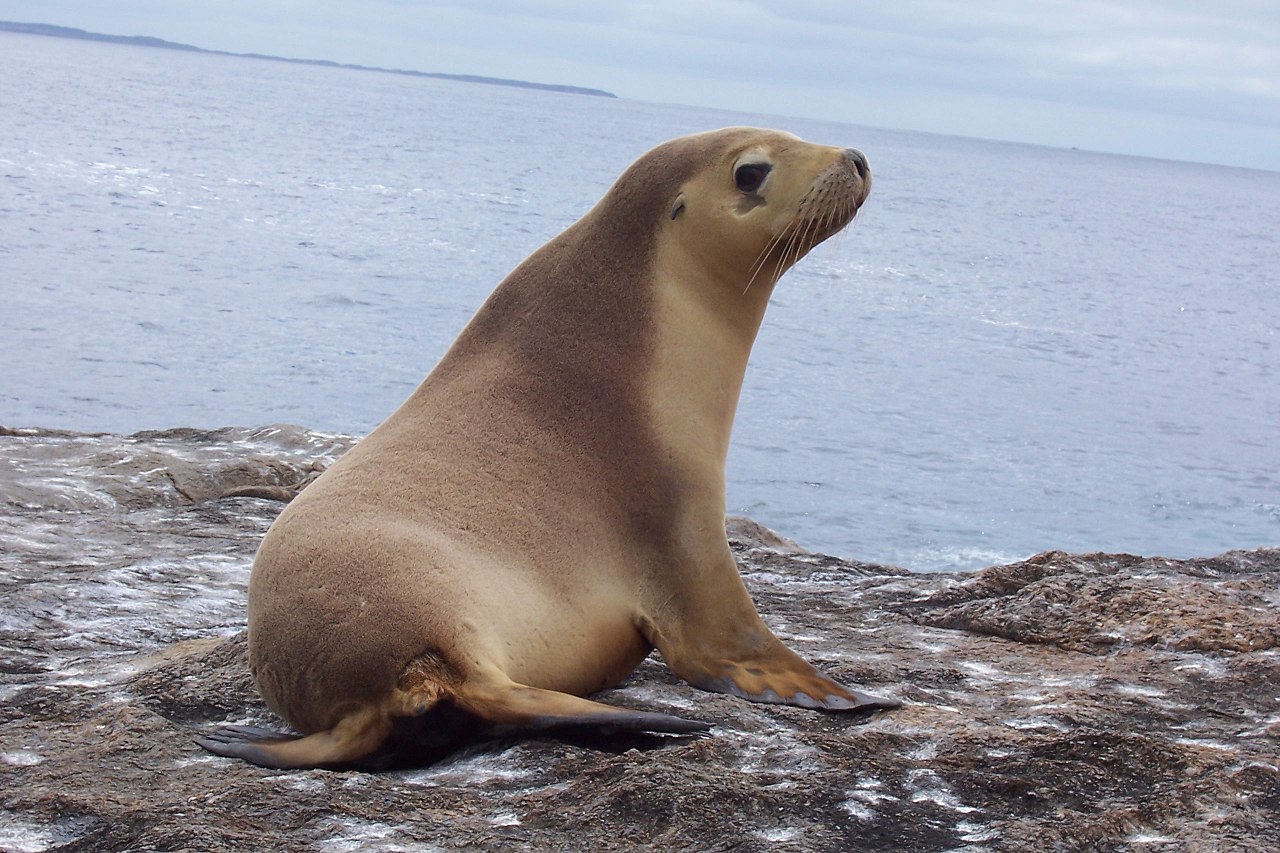
Otariidae Facts For Kids
Videos & Quizzesincluded
About this topic
Otariidae is a family of marine mammals known as eared seals! 🦭They are fun, social animals that often hang out on rocky shores and beaches. There are two main types: sea lions and fur seals. Sea lions are usually larger and have a loud bark, while fur seals are smaller with thicker fur. Otariids are found in oceans around the world, especially in the Southern Hemisphere! 🌊They are famous for their playful behavior, sometimes even seen riding ocean waves. These amazing creatures have adapted well to life both in the water and on land!
Explore with ChatDinoKey Points
Some otariid species are endangered!
Many otariid species are well-known!
Eared seals are excellent hunters!
Otariids love the ocean!
Humans and otariids have a fascinating relationship!
Otariids are famous for their adorable faces!
Reproduction for otariids is interesting!
Otariidae belongs to the scientific group called Pinnipedia, which means "fin-footed."
Otariids are super social creatures!
Photos of Otariidae

California sea lions

Otariidae — photo 2

🥺 Conservation Status
Some otariid species are endangered! 🥺Human activities like overfishing and pollution threaten their populations. The Mediterranean monk seal, a member of the Otariidae family, is critically endangered. Conservation efforts are underway to protect their habitats and educate people about their importance. 🌍Organizations work hard to create marine protected areas where otariids can thrive without the dangers of fishing and pollution. By learning about these amazing animals, we can all help protect them for future generations! 🌱
Go deeper🌟 Famous Otariid Species
Many otariid species are well-known! 🌟The California sea lion is famous for its friendly nature and performance in shows. The northern fur seal is celebrated for its thick fur, making it a target for fur trade in the past! 🔍The South American sea lion is known as "lobo marino," which means "sea wolf" in Spanish, due to its lion-like mane. The Steller sea lion is the largest of the species and can be found in the North Pacific. 📍Each of these species plays a significant role in their ecosystem and captures our hearts! 🥰
Go deeper🕵️♂️ Diet And Feeding Habits
Eared seals are excellent hunters! 🕵️♂️ They mainly eat fish, squid, and crustaceans. Some species, like the Steller sea lion, can eat large fish such as salmon, while others like the Antarctic fur seal prefer krill. 🎣They dive underwater to catch their meals, often reaching depths of over 600 feet (183 meters) in search of food. Sea lions and fur seals can hold their breath for up to 20 minutes! They use their sensitive whiskers to help detect movement in the water while hunting! 🌊🐟
Go deeper🐋 Habitat And Distribution
Otariids love the ocean! 🐋They prefer rocky coastlines and sandy beaches, often resting on land after a swim. They can be found in many places, including the coasts of North America, South America, Australia, and New Zealand. 😎The California sea lion can be found along the western coast of the United States, while the Antarctic fur seal lives in the icy waters around Antarctica. These seals adapt well to their environments, diving into the ocean for food before returning to land to bask in the sun! ☀️
Go deeper🐾 Interactions With Humans
Humans and otariids have a fascinating relationship! 🐾While people love watching sea lions and fur seals in aquariums and marine parks, they also face threats from human activities. Some people hunt them or accidentally catch them in fishing nets. 🐠However, many organizations focus on educating the public about how to protect these animals. Sea lions often visit key landmarks, practicing new tricks and interactions in shows. 🥳Stories of playful interactions when seals come close while swimming also encourage appreciation for their unique charms!
Go deeper😍 Physical Characteristics
Otariids are famous for their adorable faces! 😍They have external ears, unlike true seals, which have small holes for ears. Most eared seals have a thick layer of blubber that keeps them warm in cold water. They can weigh anywhere from 150 to 800 pounds! Sea lions often have a golden brown color, while fur seals may have lighter or darker fur. Their flippers are powerful and can help them swim at speeds up to 25 miles per hour (40 km/h)! 🏊♂️ They can also walk on land easily using their strong front flippers!
Go deeper🍼 Reproduction And Life Cycle
Reproduction for otariids is interesting! 🍼The breeding season usually happens in summer. Males fight for territory and get the chance to mate with females. After about 11 months of pregnancy, the female gives birth to a single pup. The pups are adorable and covered with thick fur, often black or dark brown! They stay with their mothers for 6 to 12 months, learning how to swim and find food. 🐾As they grow, they will learn to socialize with other pups in their colony. Most otariids can live up to 20 years in the wild! 🎉
Go deeper🦶 Taxonomy And Classification
Otariidae belongs to the scientific group called Pinnipedia, which means "fin-footed." 🦶🏝 It includes three families: Otariidae (eared seals), Phocidae (true seals), and Odobenidae (walruses). The eared seals are further divided into two main groups: "Otariinae," which includes sea lions, and "Arctocephalinae," which consists of fur seals. The scientific name for the California sea lion is Zalophus californianus, while the northern fur seal is Callorhinus ursinus. These classifications help scientists understand and study each species better! 📚
Go deeper🐾 Social Behavior And Communication
Otariids are super social creatures! They can be found lounging together in large groups called colonies. 🐾Sea lions are especially known for their loud barking noises. These sounds help them communicate with one another to warn about danger or attract mates! 🎶In addition to vocalizations, they use body language like flopping, swimming, and playfully wrestling with each other. Social interactions are essential, especially during breeding season when males establish territories and gather harems of females! 💖
Go deeper