Opiliones Facts For Kids
Opiliones, commonly known as harvestmen or daddy longlegs, are harmless arachnids recognized for their long legs and fused body structure, playing vital roles in ecosystems around the world.
Select reading age
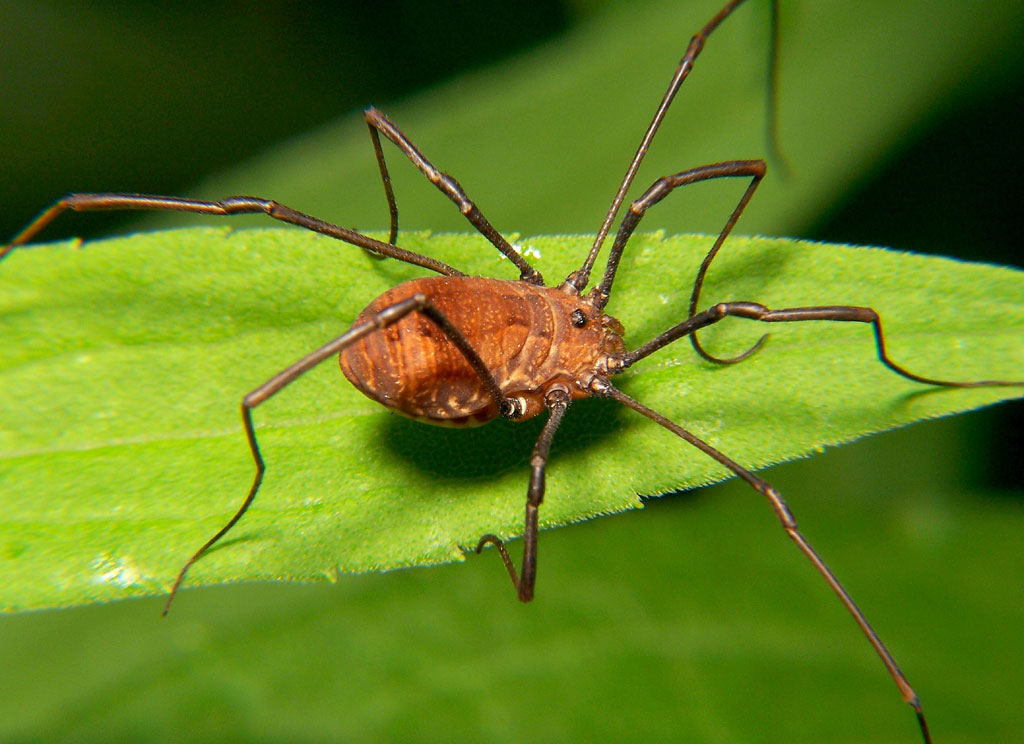
Opiliones Facts For Kids
Videos & Quizzesincluded
About this topic
The Opiliones, also known as harvestmen or daddy longlegs, are fascinating creatures! 🕷️ They belong to the arachnid family, just like spiders and scorpions. Opiliones have long, skinny legs that can be up to ten times longer than their bodies. 🌱Unlike spiders, they do not spin webs. Instead, they scuttle around looking for food. There are over 6,500 types of Opiliones found all over the world, except in extremely cold places like Antarctica. They come in many colors and shapes, making them one of nature's unique wonders!
Explore with ChatDinoKey Points
Here are some cool facts about Opiliones!
Harvestmen are quite social creatures!
Most Opiliones are not endangered and are considered common; however, some species are threatened due to habitat loss.
Opiliones play an essential role in our ecosystems!
Opiliones are omnivores, which means they eat many kinds of foods!
You can find Opiliones in many types of environments, from forests to gardens!
Opiliones have two main body parts: the cephalothorax and the abdomen.
Opiliones have been around for a long time!
Like many creatures, Opiliones have predators!
Humans have had a long history with Opiliones!
Photos of Opiliones

Chilean harvestman (Pachyloidellus goliath)

North European harvestman (Leiobunum rotundum) body

A harvestman (a male Phalangium opilio), showing the almost fused arrangement of abdomen and cephalothorax that distinguishes these arachnids from spiders

Harvestman eating a skink tail

Protolophus sp. cleaning its legs

A male Phalangium opilio, showing the long legs and the tarsomeres (the many small segments making up the end of each leg)

Mites parasitising a harvestman

Gregarious behavior in Opiliones

Rilaena triangularis with several missing legs
🥳 Interesting Facts
Here are some cool facts about Opiliones! 🥳Did you know that they can regenerate lost legs? It may take time, but they can grow back! Also, some Opiliones can produce sounds by rubbing their legs together, a little like a musical instrument! 🎶They are also known to live up to 2 years, which is quite long for such tiny creatures! Harvestmen are not spiders, even though they are often mistaken for them. Remember to keep an eye out for these incredible little arachnids during your outdoor adventures! 🕷️✨
Go deeper👫 Behavior And Mating
Harvestmen are quite social creatures! 👫They often gather in groups, especially during the mating season. Male Opiliones attract females by doing a little dance and vibrating their bodies. 💃When a female is interested, she will follow him, and together they find a safe place to mate. After mating, the female lays her eggs in the ground or under leaves, where they will hatch into tiny Opiliones. 🌱Some species care for their eggs, keeping them safe and watching over them until they hatch!
Go deeper🏞️ Conservation Status
Most Opiliones are not endangered and are considered common; however, some species are threatened due to habitat loss. 🏞️ Urbanization, pollution, and climate change can impact their populations. Conservation efforts are essential to protect their habitats and ensure they can thrive! 🌍Many scientists study Opiliones to understand how changes in the environment affect them, helping us take the right steps to keep them safe. By paying attention to these amazing creatures, we can help preserve our ecosystems!
Go deeper🌿 Ecological Importance
Opiliones play an essential role in our ecosystems! 🌿They help break down dead plant material, returning nutrients to the soil. This process is crucial for healthy soil and plant life! 🌼Since they eat smaller insects, they also help control pest populations. Their presence indicates a balanced ecosystem, making them important for scientists studying the health of environments. So every time you see a harvestman, remember that they're working hard to keep nature healthy and thriving!
Go deeper🍽️ Diet And Feeding Habits
Opiliones are omnivores, which means they eat many kinds of foods! 🍽️ They love munching on decaying plant matter, smaller insects, and even tiny slugs. They use their strong mouthparts to chew up their food! 🌿Harvestmen also play a key role in cleaning up the environment by eating dead material and helping decompose it. They usually feed at night, using their long legs to explore their surroundings quietly. Since they don’t have venom, they rely on their ability to hide and stay stealthy while searching for snacks!
Go deeper🌳 Habitat And Distribution
You can find Opiliones in many types of environments, from forests to gardens! 🌳They love warm, humid locations but can also live in dry areas. Some species prefer living under rocks or leaves, where it’s cool and damp. 🌍Harvestmen are found almost all around the world, except in places like the Arctic and Antarctic. They often hide in soil or plant debris, making them good at blending in and protecting themselves from predators. So, next time you explore outside, keep your eyes open; you might just spot a harvestman!
Go deeper🤔 Physical Characteristics
Opiliones have two main body parts: the cephalothorax and the abdomen. 🤔This can make them look different from spiders, which have two distinct segments. Their bodies are usually round or oval with long, spindly legs, ranging in color from tan to brown. 🌾Unlike spiders, Opiliones have no venom and only 8 eyes! They can also lose a leg if they are in danger but can grow it back later. Their legs can be very delicate and may break easily, but that helps them escape from predators!
Go deeper🕰️ Fossil Record And Evolution
Opiliones have been around for a long time! 🕰️ Fossil records show that they have existed for over 400 million years, far before dinosaurs roamed the Earth! The oldest known harvestman fossils were found in rocks in Europe and date back to the Silurian period. 🦖As they evolved, they adapted to various environments, leading to the many different species we see today. Studying their fossils helps scientists learn about the history of life on Earth and how species change over time!
Go deeper🦉 Predators And Defense Mechanisms
Like many creatures, Opiliones have predators! 🦉Birds, spiders, and other insects may try to eat them. But don't worry; harvestmen have some cool tricks to stay safe! When threatened, they can drop a leg and quickly escape. 🏃♂️ They may also play dead, blending into their surroundings. Some species can even secrete a strong-smelling fluid to deter predators. This helps them avoid being eaten while living their lives as nature's cleanup crew!
Go deeper🤗 Human Interaction And Cultural Significance
Humans have had a long history with Opiliones! 🤗Many people think they are harmless creatures, and they are right! In some cultures, harvestmen are seen as good luck. 🌈They are often featured in stories and folklore—many people in different countries have different names for them! However, they are not often studied as much as other arachnids. Still, scientists recognize their importance in ecosystems, which has led to some research about their habitats and behaviors!
Go deeper