Onagraceae Facts For Kids
The Onagraceae are a diverse family of flowering plants known as the willowherb or evening primrose family, recognized for their beautiful nighttime blooms and ecological importance.
Select reading age
Onagraceae Facts For Kids
Videos & Quizzesincluded
About this topic
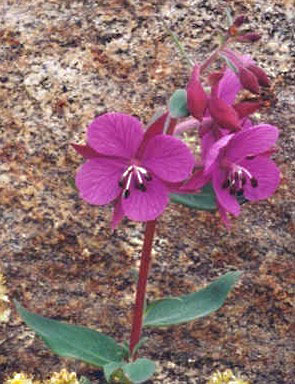
The Onagraceae family, also known as the willowherb or evening primrose family, is a group of flowering plants 🌼. They have about 200 species and can be found all around the world! Some familiar names include the evening primrose (Oenothera), which blooms at night, and fireweed (Chamerion angustifolium), known for its bright pink flowers! 🌸These plants have different shapes and sizes but typically grow in fields, gardens, and even by roadsides. The Onagraceae family is special because it attracts various pollinators, especially bees! 🐝Let's discover more about these amazing plants!
Explore with ChatDinoKey Points
Among the Onagraceae family, some notable species stand out!
Many Onagraceae species are doing well, but some face challenges.
Onagraceae plants like to grow in sunny places with good soil!
Scientists are excited about studying Onagraceae plants!
Onagraceae plants have cultural significance in many communities!
Onagraceae plants can be found on almost every continent!
Most Onagraceae species reproduce through seeds.
Plants in the Onagraceae family come in various shapes and sizes!
Did you know that some Onagraceae plants are edible?
The Onagraceae family is part of the order Myrtales.
Photos of Onagraceae

Onagraceae — photo 1

Onagraceae — photo 2

Onagraceae — photo 3

Onagraceae — photo 4

Onagraceae — photo 5

Onagraceae — photo 6

Onagraceae — photo 7

Onagraceae — photo 8
Onagraceae — photo 9
🌟 Notable Species
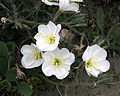
Among the Onagraceae family, some notable species stand out! 🌟The evening primrose (Oenothera biennis) is famous for its yellow flowers that bloom in the evening, while the fireweed (Chamerion angustifolium) has beautiful pink flowers often seen after wildfires. 🌸Another interesting member is the Clarkia, also called "godetia," known for its bright pink to purple flowers. Researchers study these species to understand their habitats and how they interact with the environment. 🐝Learning about these unique plants helps us appreciate how they brighten our world!
Go deeper🌍 Conservation Status
Many Onagraceae species are doing well, but some face challenges. 🌍Habitat loss, climate change, and pollution can threaten their existence. For example, the western evening primrose in the U.S. is considered endangered; people are working to protect it! 🚫Conservation efforts involve planting more native flowers and creating habitats where wildlife can thrive. 🌻It’s essential to learn about and care for these beautiful plants to ensure they continue to be part of our ecosystems! Everyone can help by planting native flowers, which supports pollinators and helps keep our environment healthy! 🌱
Go deeper🌞 Habitat And Ecology
Onagraceae plants like to grow in sunny places with good soil! 🌞They thrive in meadows, fields, and coastal areas. Bees, butterflies, and other pollinators love to visit their beautiful flowers. 🌼These plants play an important role in their ecosystems, providing food and shelter for insects and birds. Fireweed, for instance, is essential after forest fires, as it helps restore the soil and creates habitats for animals. 🦋Plants of the Onagraceae family also improve soil health and prevent erosion, making our environment healthier! 🌱They work together with other plants and animals!
Go deeper🧬 Research And Studies
Scientists are excited about studying Onagraceae plants! 🧬Researchers examine their growth, adaptability, and interactions with pollinators. Some studies explore how climate change affects these plants and their habitats. 🌡️ One interesting project involves using evening primrose to help recover damaged ecosystems after fires. 🌱Many scientists work with schools to educate students about the importance of plants like evening primrose and fireweed. Learning about Onagraceae helps us understand ecosystems better and inspires us to take care of our environment! 🌍Together, we can make a difference!
Go deeper🌼 Cultural Significance
Onagraceae plants have cultural significance in many communities! 🌼Indigenous peoples have used evening primrose for centuries, making medicines and traditional foods. They teach us about the importance of plants in our lives! 🌱Fireweed is also popular in some regions, often found in art and folklore. People admire its resilience after wildfires, inspiring stories of strength and renewal. 🌳In modern times, evening primrose oil is widely used in skincare products! By recognizing the cultural importance of Onagraceae plants, we can better understand our relationship with nature. 🌎
Go deeper🌍 Geographic Distribution
Onagraceae plants can be found on almost every continent! 🌍They grow in North America, Europe, Asia, and even parts of South America. The evening primrose is native to North America but has spread all around the world. 🌎Fireweed is often seen in Canada and Alaska after wildfires because they can quickly grow in disturbed soil! 🌲These plants love sunny places and can often be spotted in meadows, forests, and along roadsides. Because they thrive in various environments, Onagraceae plants are important for many ecosystems.
Go deeper🌱 Reproductive Strategies
Most Onagraceae species reproduce through seeds. 🌱When the flowers bloom, they attract bees and other pollinators. These pollinators collect nectar and pollen while moving from flower to flower. 🌼After pollination, the flowers produce seeds! The seeds are often carried away by the wind or animals, finding new homes to grow. 🌬️ Some Onagraceae plants can also reproduce through runners or root systems, allowing new plants to sprout close by. This helps them spread quickly and colonize new areas! Their clever ways of reproducing help ensure the survival of the species.
Go deeper🤔 Physical Characteristics
Plants in the Onagraceae family come in various shapes and sizes! 🤔They can be tiny, less than a foot tall, or grow taller than a person! 🌳Most have vibrant flowers that can be yellow, pink, or white. The leaves are usually shaped like narrow blades or wide, round shapes. 🌿Evening primrose flowers open in the evening and close at dawn, while fireweed has long, narrow flower spikes! These blooming patterns help attract nighttime pollinators. Many species have sticky sap on their stems, which helps them catch insects that might try to eat them. 🐜
Go deeper🌱 Culinary And Medicinal Uses
Did you know that some Onagraceae plants are edible? 🌱Evening primrose oil is made from the seeds and is known for its health benefits! People use it to support healthy skin and reduce inflammation. Some Native American tribes used the leaves and roots of evening primrose for food and medicine! 🍽️ Fireweed can also be eaten; its young shoots and leaves taste great in salads! 🌼Honeybees also love these plants, making delicious honey from their nectar. So when you see these pretty flowers, remember they can be tasty and good for us too!
Go deeper🌿 Taxonomy And Classification
The Onagraceae family is part of the order Myrtales. 🌿Scientists classify it in the Plantae kingdom. Within the Onagraceae family, plants are divided into different genera, like Oenothera (evening primroses) and Chamerion (fireweeds). Each genus has unique characteristics! 🌺Sweet-smelling flowers, for instance, help attract butterflies and bees, which are important for their survival. Knowing these classifications helps scientists study the diversity and evolution of these plants! 📚The study of plant families like Onagraceae helps us appreciate the beauty of nature.
Go deeper