Omo River Facts For Kids
The Omo River in southern Ethiopia is the largest Ethiopian river outside the Nile Basin, flowing approximately 760 kilometers from the Ethiopian Highlands to Lake Turkana.
Select reading age
Omo River Facts For Kids
Videos & Quizzesincluded
About this topic
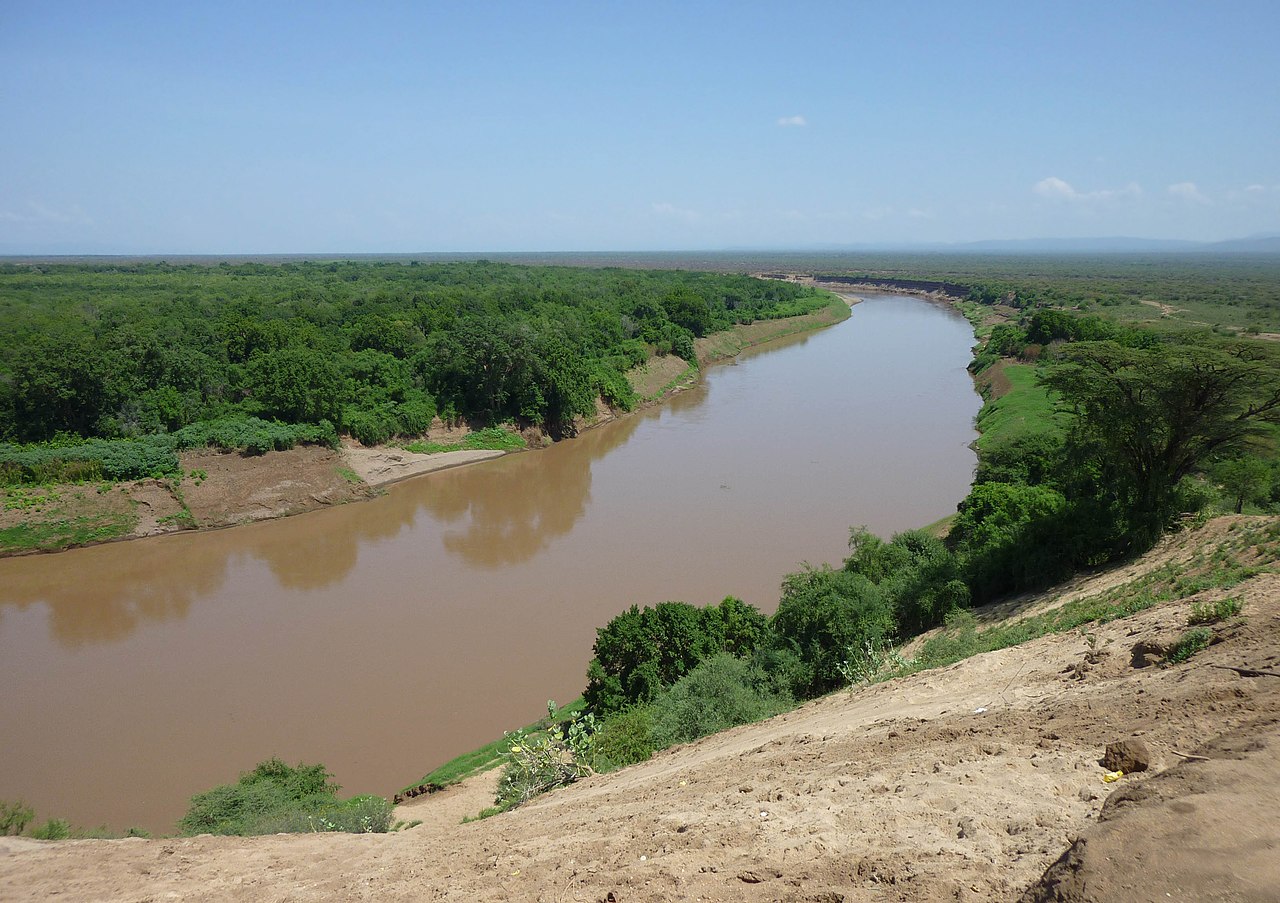
The Omo River is a very important waterway in southern Ethiopia! 🇪🇹 It stretches about 760 kilometers (or almost 472 miles) long, making it one of the biggest rivers in the country. The river winds through beautiful landscapes, including valleys and mountains. It's known for its amazing wildlife and the people living along its banks. The Omo River flows into Lake Turkana, which is found in Kenya. This river is not just a water source; it’s a place full of life, culture, and history! 🌊
Explore with ChatDinoKey Points
Many organizations and communities are working to protect the Omo River and its surroundings.
The Omo River faces several environmental challenges that affect its health.
The Omo River has many smaller rivers, called tributaries, that flow into it.
The Omo River is home to a wide variety of plants and animals.
The Omo River plays a big role in the economy of its surroundings.
In recent years, the Omo River has been the site of hydroelectric projects, like the Gibe III Dam.
The Omo River is essential to the local tribes and communities living nearby.
The Omo River flows through the Great Rift Valley in Ethiopia.
The Omo River has a history that goes back thousands of years!
The Omo River has inspired many stories and legends among the local tribes.
Photos of Omo River

Omo River Delta

Omo river crossing

Omo River Valley

Karo woman and child near Omo River
🌍 Conservation Efforts
Many organizations and communities are working to protect the Omo River and its surroundings. 🌍Conservation efforts include planting trees, protecting habitats, and promoting sustainable fishing practices. By raising awareness about the river’s importance, they hope to inspire people to care for it and its ecosystem. 🐢The Omo River is vital for wildlife and human life, so these efforts help a lot in preserving its beauty and health for future generations!
Go deeper⚠️ Environmental Challenges
The Omo River faces several environmental challenges that affect its health. ⚠️ Deforestation, or cutting down trees, near the river can lead to soil erosion and loss of habitats for plants and animals. Additionally, climate change is causing unpredictable weather, such as droughts or flooding, which can impact the river’s flow. 💧These challenges threaten the wildlife and people depending on the river, making it important to find solutions to protect this valuable resource!
Go deeper🐟 Tributaries And Watershed
The Omo River has many smaller rivers, called tributaries, that flow into it. Some important ones are the Gibe River and the Koka River. 🐟Together, these rivers help create a big area called a watershed, where water drains into the Omo River. The watershed is essential for surrounding plants and animals because it collects rainwater and feeds the river. 💧Without these tributaries, the Omo River wouldn’t be as strong or provide as much water to the land around it!
Go deeper🐘 Biodiversity And Ecosystems
The Omo River is home to a wide variety of plants and animals. 🐘There are over 100 different fish species swimming in the river, along with birds, reptiles, and even some mammals like hippos and crocodiles! The surrounding wetlands and bushes are teeming with life, making it a great place for birds to nest. 🐦The different ecosystems create a rich habitat where species can thrive. This biodiversity is important to the health of the river and the people living near it!
Go deeper🌱 Economy And Local Communities
The Omo River plays a big role in the economy of its surroundings. 🌱Many families rely on fishing and farming to make a living. Crops such as maize, beans, and fruits are grown using the river’s water. Fishing provides a crucial food source for the communities, and they often sell extra fish in local markets. 🐠The river also supports livestock farming, helping families raise animals like cows and goats. The Omo River keeps the local economy alive and helps the community thrive!
Go deeper💡 Hydroelectric Projects And Impact
In recent years, the Omo River has been the site of hydroelectric projects, like the Gibe III Dam. 💡This dam collects water to produce electricity for many people in Ethiopia. While it helps provide energy, it can also change the river’s flow, impacting wildlife and local communities. Some fish species may struggle to survive, and farmers may have difficulty accessing enough water for their crops. 🌾It's crucial to balance energy needs with keeping the river healthy!
Go deeper🏞️ Cultural Importance Of The Omo River
The Omo River is essential to the local tribes and communities living nearby. 🏞️ They depend on it for fishing, drinking water, and agriculture, like growing crops! The river also holds cultural significance, as many festivals and traditions are celebrated around its banks. Many people believe their ancestors lived near the river, and they share stories and songs that connect them to it. 🥳The Omo River helps keep their culture alive and thriving, making it special for the local inhabitants!
Go deeper🌋 Geography And Course Of The Omo River
The Omo River flows through the Great Rift Valley in Ethiopia. 🌋This area is unique because it was formed by tectonic activity, creating deep valleys and highlands. The river starts in the mountains of the country and travels southward, passing through many towns and villages. It ends by flowing into Lake Turkana, which sits at the border between Ethiopia and Kenya. The Omo River’s journey is full of twists and turns, and it creates beautiful scenes for people living nearby! 🗺️
Go deeper🏺 Historic Significance And Archaeological Sites
The Omo River has a history that goes back thousands of years! 🏺Many archaeological sites have been discovered along its banks, showing that early humans lived there. Some of the oldest human fossils were found near the river, helping scientists learn about our ancestors! 🧬In places like the Omo Valley, important discoveries continue to shape our understanding of history. The river has witnessed many stories and events that are now part of Ethiopia's rich heritage!
Go deeper🌙 Mythology And Folklore Related To The Omo River
The Omo River has inspired many stories and legends among the local tribes. 🌙Some believe that spirits live in the waters and protect the fish and animals. Others tell tales of brave ancestors who traveled along the river, sharing their adventures with future generations. 📖These stories bring families together and help youngsters learn about their heritage. The Omo River is not just a river; it carries dreams, memories, and the spirit of the communities living around it!
Go deeper