Olongapo Facts For Kids
Olongapo is a coastal city in the Philippines known for its rich history, beautiful beaches, and vibrant local culture.
Select reading age

Olongapo Facts For Kids
Videos & Quizzesincluded
About this topic
Olongapo is a city in the Philippines, located on the island of Luzon! 🌴It's near the famous Subic Bay, just northwest of Manila, the country's capital. Olongapo is known for its rich history and beautiful beaches. The city is home to about 250,000 people. Olongapo was once a big US naval base, which is why many people visit. This city has been growing and changing since 1992 when the American military left. Today, Olongapo is a vibrant place where people enjoy shopping, dining, and fun activities like water sports! 🌊
Explore with ChatDinoKey Points
Olongapo's economy thrives on various sectors!
The history of Olongapo is quite interesting!
Olongapo is a fantastic destination for tourists!
Education is essential in Olongapo, and many schools are found throughout the city.
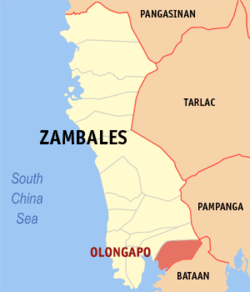
Olongapo is located in Central Luzon, facing the western coast of the Philippines.
Olongapo has produced some famous personalities!
Getting around Olongapo is easy!
Olongapo is a melting pot of cultures!
Photos of Olongapo

Olongapo — photo 1

Olongapo — photo 2

Olongapo — photo 3

Olongapo — photo 4

Olongapo — photo 5

Olongapo — photo 6
Olongapo — photo 7

Aerial view of the Olongapo Naval Station in 1928

Bridge leading to NS Subic Bay, 1981
📈 Economy
Olongapo's economy thrives on various sectors! The city's former naval base has transformed into a freeport zone, attracting businesses and industries. 📈Major industries in Olongapo include manufacturing, trade, and tourism. Some popular products made in the city are electronics and textiles. The hospitality sector also plays a significant role, with many hotels, restaurants, and resorts to support visitors. The local government encourages small businesses, too! Markets and food stalls can be found throughout the city, showcasing local delights. 👩🍳 The economy keeps growing, making Olongapo an exciting place for jobs!
Go deeper⏳ History
The history of Olongapo is quite interesting! Before the Americans came, the area was inhabited by indigenous people, such as the Aeta tribes. ⏳In the late 1890s, the United States established a naval base in Olongapo, which changed the city’s fate forever. The base was very important during World War II. After the US Navy left in 1992, Olongapo shifted from a military town to a bustling city. Residents worked hard to build parks, markets, and schools. In 1991, the Mount Pinatubo volcano erupted, which affected the city significantly, but the people of Olongapo showed great resilience! 🌋
Go deeper🌞 Tourism
Olongapo is a fantastic destination for tourists! 🌞Many people visit for its beautiful beaches and outdoor activities. Subic Bay is famous for its clear waters, making it great for swimming, snorkeling, and sailing! 📅Tourists also enjoy visiting Zoobic Safari – a cool zoo where you can interact with animals like tigers and exotic birds! 🦜The city is close to various eco-tours where you can see stunning views and lush forests. Other attractions include the Ocean Adventure marine park and the newly developed Harbor Point mall, filled with shops and restaurants! 🛥️
Go deeper🏫 Education
Education is essential in Olongapo, and many schools are found throughout the city. 🏫The city has various public and private institutions, including elementary schools, high schools, and colleges. Some notable schools are Olongapo City National High School and the University of Subic Bay. Students study subjects like science, math, Filipino, and English! 📚The city’s government works hard to improve education, offering programs to help teachers and students succeed. Many students also participate in extracurricular activities, such as sports and arts, making learning fun and engaging! 🎨
Go deeper🌊 Geography
Olongapo is located in Central Luzon, facing the western coast of the Philippines. 🌊It has beautiful coastlines along Subic Bay and is surrounded by mountains like the Zambales Mountains. The city covers an area of about 143 square kilometers (55 square miles). Olongapo has a tropical climate, meaning it’s warm and sunny most of the year! ☀️ The rainy season runs from June to November, while the best time to visit is from December to May. Olongapo is a great place for outdoor activities, like hiking, swimming, and exploring nature! 🏞️
Go deeper🌟 Notable People
Olongapo has produced some famous personalities! One notable person is Zambales Governor Hermogenes Ebdane Jr., a politician who served Olongapo and the province well. 🌟Another well-known figure is singer and actor Gary Valenciano, who spent part of his childhood in Olongapo. 🌈The city also has talented athletes and artists making their mark in various fields! Olongapo is proud of its residents and their contributions, celebrating their achievements in different ways from community events to local showcases!
Go deeper🚗 Transportation
Getting around Olongapo is easy! 🚗The city has various modes of transportation, like jeepneys, tricycles, and buses. Jeepneys are colorful and cheap public transportation that can take you to many places within the city! 🚌Tricycles are great for short distances, and you can find them everywhere! Some taxi services are available, too. For those who want to explore nearby areas, buses can take you to Subic Bay and Manila. 🚉Olongapo's well-paved roads and friendly locals make exploring this city fun and convenient!
Go deeper🎭 Culture And Festivals
Olongapo is a melting pot of cultures! 🎭Many different traditions are celebrated here, reflecting the city's diverse history. The city hosts the annual "Olongapo City Festival," also called "Olongapo's Annual Civic-Military Parade," every September. This festival showcases parades, dance performances, and delicious local food! 🍚People dance the folk dance called "Tinikling" to lively music during this celebration. Residents also enjoy Christmas festivals with colorful lights and fireworks! 🎆The influence of American culture is seen in the food, shops, and even sports activities like basketball!
Go deeper