Olea Europaea Facts For Kids
Olea europaea, or the olive tree, is a small tree or shrub native to the Mediterranean Basin, known for producing delicious olives and olive oil.

Do more with AI
Introduction
The olive tree, known scientifically as Olea europaea, is a magical little tree that grows olives! 🌳🌿 It is originally from the Mediterranean Basin, which includes countries like Italy, Greece, and Spain. People have been growing olive trees for thousands of years because they produce delicious olives, which are often used to make olive oil. There are over a thousand varieties of olives! The olive tree can live for hundreds of years, with some being over 1,000 years old. 🌍The tree has shiny green leaves and can grow as tall as 30 feet! Isn’t that cool?
Images of Olea Europaea

19th-century illustration

Specimen of Olea europaea sylvestris as bonsai. These trees grow wild in the mountains of the Spanish island of Mallorca and are valued for their tiny leaves and rough bark. This tree won first prize in the broadleaf evergreen category in the 2024 edition of the Unión del Bonsái Español (UBE) exhibition in Aranjuez, Spain.

Specimen of Olea europaea subsp. laperrinei in the Hoggar Mountains in southern Algeria

Roman architrave with frieze adorned with olive branches (c. first century AD)

Storing olives on Dere Street; Tacuinum Sanitatis, 14th century

Greek vase showing two bearded men and a youth gathering olives from a tree, by the Antimenes Painter (c. 520–510 BC)

Woman with red hair wearing a garland of olives, from the Roman city of Herculaneum, sometime before the city's destruction in 79 AD

Replica of the Temple Menorah, which according to the Hebrew Bible, was made of pure gold and could be fueled only by consecrated fresh olive oil

Оld olive trees in the Garden of Gethsemane
Culinary Uses
Olives can be enjoyed in many delicious ways! 🍕You can eat them as a snack, add them to salads, or use them on pizzas. In some places, people make tapenade, a spread made from olives, and enjoy it on bread. Olive oil is often used to cook or dress salads, and it makes food taste amazing! 🥗There are so many tasty recipes involving olives that your taste buds will love to explore!
Olive Varieties
There are many types of olives, each with a unique taste! 😊Some popular varieties are Kalamata, Manzanilla, and Arbequina. Kalamata olives are dark and almond-shaped, originally from Greece. Manzanilla olives are small and green, perfect for snacks! 🍽️ Arbequina olives are smooth and fruity, coming from Spain. Each kind is grown in different places and has different flavors, making your meals interesting and tasty. Remember, there’s an olive for everyone!
Pests And Diseases
Just like people, olive trees can get sick or face "pests," which are little bugs that like to munch on them. 🐞One well-known pest is the olive fruit fly, which eats the olives. Farmers need to watch for these pests to keep the trees healthy. Some diseases, like Olive Leaf Spot, can make the leaves yellow. 🌿Farmers use special methods to protect their trees, such as natural treatments. Keeping the trees safe helps produce delicious olives every year!
Nutritional Benefits
Olives are packed with nutrients and are very healthy! 🌱They contain healthy fats called monounsaturated fats, which are good for your heart. Olives also have vitamins E and K, helping with skin health and blood clotting. Eating olives can also give you antioxidants, which help protect your body from bad things! 🍈Plus, olive oil, made from olives, is great for cooking and adds flavor to meals, while keeping you strong!
Cultural Significance
Olives hold a special place in history and culture! 🌍In ancient Greece, olive oil was even used in the Olympic Games, where athletes would rub it on their bodies! They believed it brought good luck! Olives are also mentioned in many stories, including the Bible. In some countries, they are symbols of peace. 🌿Today, people celebrate olive harvest festivals in various cultures around the world, honoring the importance of this incredible tree!
Sustainable Practices
To keep olive trees and our planet healthy, many farmers are using sustainable practices! 🌱This means they grow olives in ways that are good for the Earth. They may use organic farming methods without harmful chemicals and save water by using drip irrigation. Farmers also work to protect the environment around the trees, promoting biodiversity. 🌍By taking care of olive trees, we can enjoy olives for many more generations to come!
Botanical Classification
The olive tree belongs to the Oleaceae family, which includes other plants like lilacs and ashes. 🌳Its scientific name, Olea europaea, tells us it is a European olive! In the plant world, scientists classify it in the kingdom Plantae, meaning it's a plant. Its genus is Olea, with the species being europaea. Olives can grow in different climates, but they love dry and sunny places. 🌞Understanding where olives come from helps scientists and farmers grow better trees!
Physical Characteristics
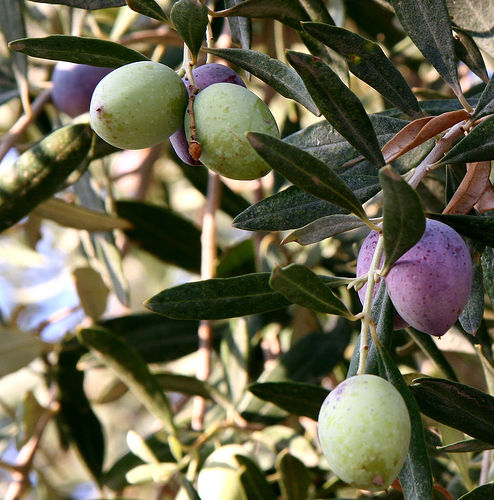
Olive trees have a unique look! They have silvery-green leaves that are narrow and leathery. 🌿The bark is rough and grayish-brown. Olive trees can be bushy and may have a twisted trunk. They produce small white flowers, which bloom in spring and eventually turn into the tasty olives we eat! 🍈Olives can be green or black, depending on when they are harvested. If picked early, they are green and slightly bitter. If left on the tree longer, they become dark and sweeter!
Cultivation And Harvesting
Growing olive trees needs special care! 🌱They thrive in warm climates, with plenty of sunshine and well-drained soil. Farmers usually plant them in orchards. After about 3 to 5 years, the trees start to produce olives! 🍏Harvesting olives happens in the fall. Farmers pick them by hand or shake the branches so the olives fall into nets below. Then, the olives are cleaned and sorted for processing, often turning into delicious olive oil!
Olea Europaea Quiz
Learn more about Olea Europaea
